
How to Build a Restful, Anxiety-Free Home Sanctuary
Your living space serves as a retreat from daily chaos. Designing a peaceful environment assists with lowering stress after long hours at work, making your…
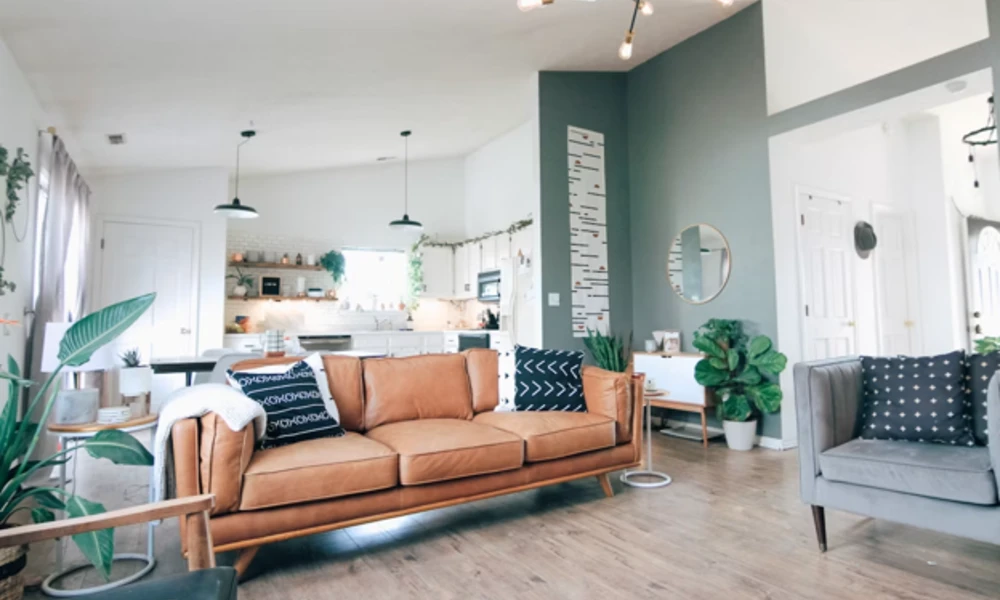
Your living space serves as a retreat from daily chaos. Designing a peaceful environment assists with lowering stress after long hours at work, making your home a true sanctuary. You deserve a place where external demands disappear the moment you step through the front door.
Small adjustments generate major improvements in your mood. You can change your surroundings to support relaxation with simple modifications that do not require a massive budget. Creating this calm zone allows your body and mind to recover fully every single night. Taking charge of your interior environment puts you in control of your mental well-being.
Control the Lighting
Natural light influences your emotional state throughout the day. Bright morning sun wakes you up naturally. Softer evening light prepares your mind for deep rest. Balancing these daily shifts helps stabilize your energy levels so you feel completely grounded.
Windows require flexible coverings to manage brightness levels throughout the changing seasons. Installing top-down bottom-up shades provides the perfect balance of natural illumination and personal seclusion. This style lets you keep the lower window covered for security, letting light enter from the top.
Controlling the sunshine protects your eyes from harsh glare during peak afternoon hours. Softening the incoming rays makes your living room feel far more inviting. It turns an ordinary room into a cozy space for reading or resting after a busy afternoon.
Manage Night Light Pollution
Artificial street illumination disrupts your sleep cycle during the evening hours. Heavy shadows or flashing signs outside can trigger alertness when you need calmness. Your brain requires signals of complete darkness to begin the transition into a restful state.
Protection from outside illumination helps maintain a steady sleep schedule. A research paper noted that shielding your bedroom from disturbing night lights, combined with a satisfying window view, links directly to reduced anxiety scores. Blocking these external factors gives your mind a chance to unwind fully without unwanted visual distractions.
Darker bedrooms encourage deeper rest cycles that heal your body. You wake up feeling refreshed when your eyes get complete darkness throughout the night. Installing thick fabrics or specialized treatments keeps your sleeping area completely dark for your nightly comfort.
Improve Your Indoor Air Quality
The air inside your rooms affects your physical well-being. Invisible particles accumulate from cooking, cleaning supplies, and poor ventilation systems. Clean air circulating through your home changes how you experience your downtime.
Clean air protects your body from hidden environmental stressors. Government data indicates that indoor air pollutants trigger headaches, fatigue, and respiratory diseases. Removing these invisible irritants guarantees that your home environment supports your physical health rather than draining your stamina.
Opening windows creates a cross-breeze that removes stagnant air from tight corners. Running an air purifier captures tiny particles that cause throat irritation. Adding air-filtering elements creates a crisp atmosphere that makes breathing feel effortless. Fresh airflow clears your mind and helps refresh your entire living area.
Incorporate Calming Colors
Wall paint colors impact your emotional state when you spend hours in a room. Bright red or neon shades can trigger excitement or nervousness in small spaces. Selecting the wrong hue might accidentally make a room feel stressful rather than calming. Soft tones provide a much better visual experience for daily relaxation.
Neutral tones create a serene backdrop for your furniture and decorations. Soft blues, muted greens, and warm creams soothe the eyes instantly. These choices reflect light gently without causing visual fatigue or mental distraction. Peaceful colors settle an overactive mind the moment you enter the room.
Consider selecting palettes that mimic serene natural environments. You might choose tones like:
- Soft grey sky that mimics a quiet morning
- Sage leaf green that brings forest tones inside
- Warm desert sand for a grounding effect
These options provide visual comfort without overwhelming your senses when you relax. Nature-inspired palettes help establish a quiet atmosphere.
Reduce Audio Distractions
Loud sounds from traffic or neighbors interrupt your focus during the day. Constant noise, keeping your ears on alert, raises your stress levels without your conscious awareness. Silence is a critical component of a peaceful home sanctuary. Minimizing these audio triggers allows your nervous system to rest properly.
Adding thick textiles dampens harsh sound waves before they cause irritation. Heavy curtains and plush rugs absorb vibrations before they bounce off hard walls. This simple addition makes conversations sound softer, and rooms feel much quieter. Soft materials act as an effective shield against outside disruptions.
White noise machines mask unexpected sounds from the street outside. Soft background hums help you maintain concentration or stay asleep during noisy hours. Consistent sound blankets your rooms in a predictable auditory environment.
Clear the Physical Clutter
Messy surfaces crowd your visual field and create hidden mental weight. Piles of mail, scattered clothes, and random objects remind you of unfinished chores. Clearing these items away helps calm an overactive mind. Removing chaos allows you to relax without feeling guilty.
Dedicated storage bins hide items when they are not in active use. Keeping flat surfaces clear makes a room feel larger and more organized. A tidy room gives your eyes a place to rest without spotting a mess. Clear counters translate directly to a clear and focused mindset.
Try organizing items by category to maintain long-term household order. Use these storage methods:
- Wooden baskets for extra blankets
- Closed cabinets for loose paperwork
- Wall hooks for daily keys
Organized spaces minimize the time spent searching for misplaced items during hectic mornings.
Select Comfortable Furniture
Seating options should support your body correctly during your downtime. Stiff chairs cause physical strain that translates into mental tension. Your furniture should invite you to sit down and release your worries.
Soft fabrics feel gentle against your skin when you rest. Choosing cozy textures invites you to sit and relax after a hectic schedule. Premium upholstery fabric adds a layer of physical comfort to your favorite seating spots.
Arrange your layout to allow easy movement around the room. Wide pathways prevent a cramped feeling in smaller rooms. Giving your furniture breathing room makes the entire layout feel balanced and intentional.
Bring Elements of Nature Indoors
Potted plants introduce organic shapes into rigid, square rooms. Caring for greenery gives you a grounding daily routine that pulls you away from screens. Green leaves provide a visual connection to the natural world.
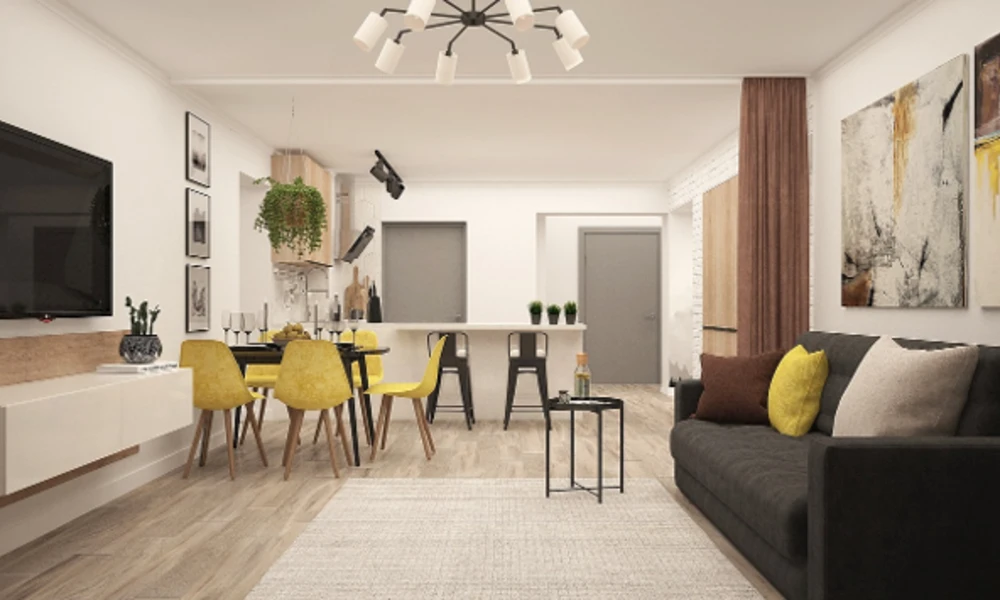
Natural wood accents add warmth to modern interior designs. Incorporating stone or clay elements connects your home to the outdoors seamlessly. These textures feel substantial and timeless compared to cheap plastic alternatives.
Small fountains provide the gentle sound of moving water inside your home. This natural audio masks city sounds effectively, introducing a soothing rhythm. Hearing water move creates a peaceful background track for meditation.
Building a peaceful home takes time and steady patience. Focus on one small area first to avoid feeling overwhelmed by choices. Every positive change you make brings you closer to absolute comfort.
Your sanctuary will reward you with better rest and less daily anxiety. Enjoy the process of creating a space that protects your peace. Your home should always be your favorite place to unwind.
Filed underAnxiety, Rest & rejuvenation, Nature, Sleep, Energy & vitality, Calm, Home & garden sanctuary