Doesn’t irritability, vaginal dryness, and hot flashes pop in your mind when you think of menopause?
These certainly are some of the most talked-about menopause symptoms. Celebrities like Salma Hayek, Michelle Obama, and Whoopi Goldberg have opened up about dealing with them.
But one symptom that often flies under the radar is musculoskeletal pain. Achy joints, stiff knees, sore backs, and tight muscles become part of your daily routine, even if you’ve always been active.
Falling estrogen levels are the culprit behind menopause symptoms, including musculoskeletal pain. Estrogen is the hormone that protects joints, reduces inflammation, and supports muscle mass and bone density.
Over-the-counter pain meds may offer quick relief, but they are not a long-term solution. So, how do you manage this pain and ease the discomfort in a way that actually helps long-term?
The good news: there are effective, practical strategies that can help you move through menopause feeling stronger and more in control. Dive in, for we’ll share them here.
#1 Power Up with Strength Training
You might not feel like hitting the weights when your knees ache or your back feels stiff. But strength training can be one of the best things you do for menopause-related pain.
Women lose 10 to 20% of lean body mass during this time. Regular resistance exercises help build and maintain lean muscle.
It helps circulate synovial fluid within joints, keeping them healthy and well-lubricated. This improves the range of motion and helps relieve stiffness.
Lifting weights helps make bones stronger by encouraging new bone growth. This is super important for preventing osteoporosis, where bones become brittle. Stronger muscles also support joints, which can reduce pain and improve stability.
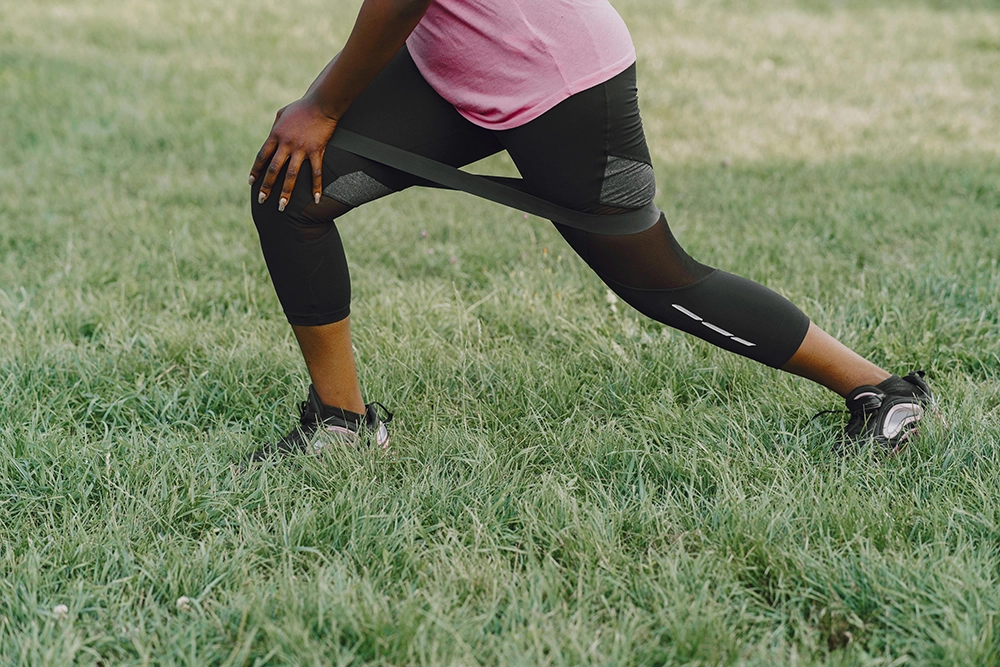
Simple bodyweight exercises like modified push-ups and planks are a great start. Resistance bands work well too. According to Prevention, resistance bands are as effective for building strength as lifting weights. To strengthen leg muscles and make your knees more mobile, try standing or seated leg press and squat.
Always remember to include a mobility warm-up before exercising and gentle cool-down stretches afterward to help prevent injuries.
#2 Consider PRP Treatment
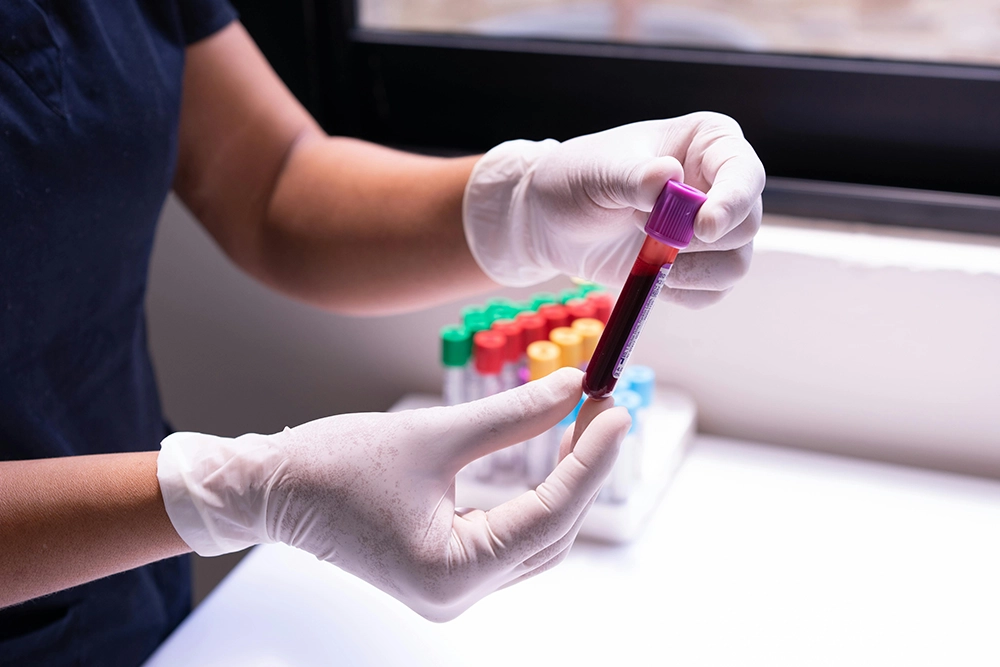
Celebrities like Jennifer Aniston swear by PRP for keeping their skin youthful and fresh. But its benefits go far beyond beauty. It offers a thrilling new approach to managing pain.
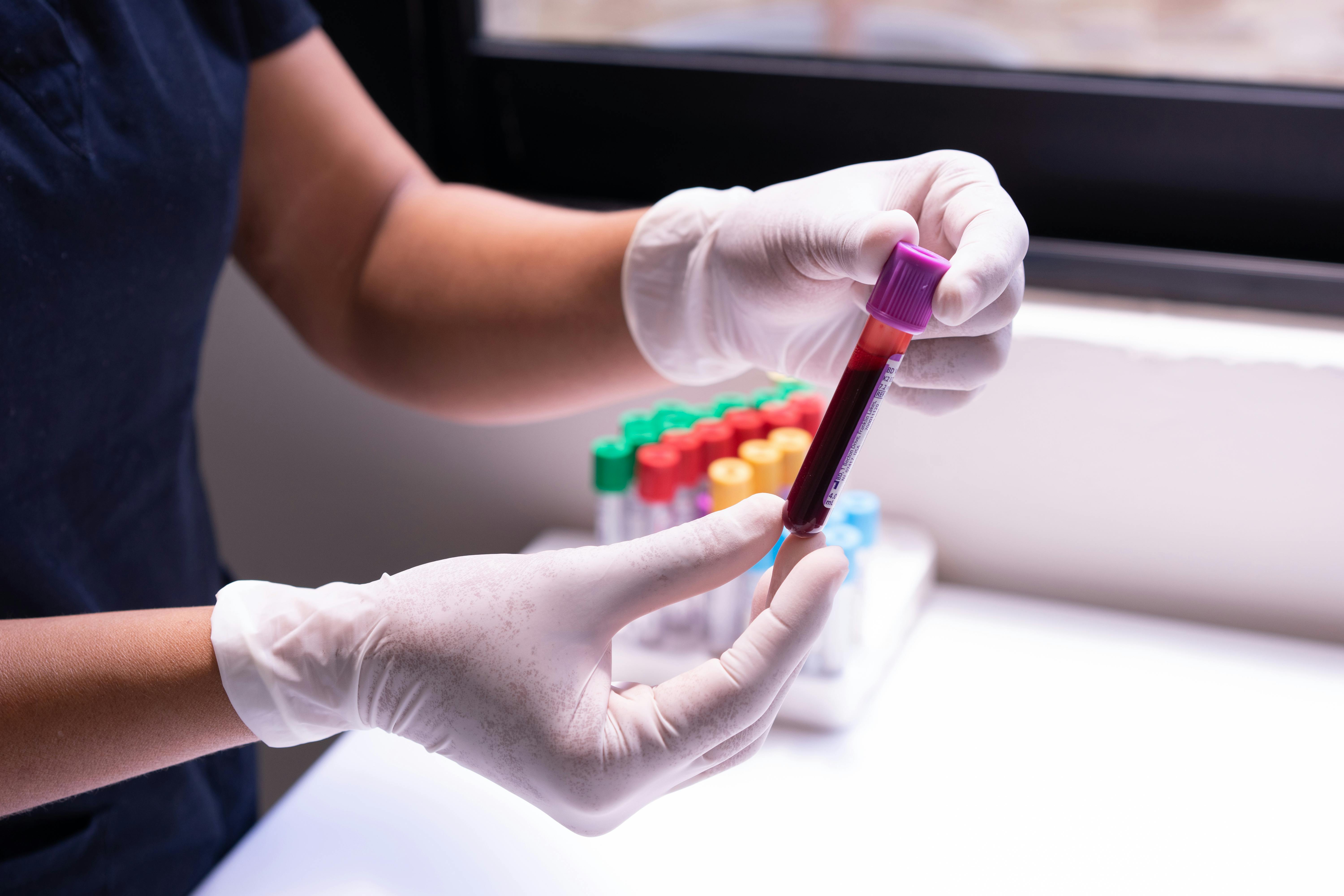
Platelet-rich plasma, or PRP, involves drawing a small amount of blood. It’s then spun in a centrifuge to separate and concentrate the platelets in a small amount of plasma. This concentrated solution, rich in growth factors and healing molecules, is injected directly into the painful area.
These growth factors reduce inflammation, attract healing cells, and help form new tissue. PRP can even aid in repairing damaged cartilage, tendons, and ligaments. Phoenix Integrated Medical Center reports that the treated tissues can become 40% stronger after a full recovery.
The procedure is typically performed in an outpatient clinic. As the older age cohort is growing in the U.S., finding a reputable PRP treatment clinic will be easier than ever.
In Orlando, Florida, for instance, 51.8% of women fall within the menopause age range of 50 to 54.
As so many women navigate menopause-related musculoskeletal discomfort, PRP treatment in Orlando is becoming an increasingly popular option. So, there is no shortage of clinics that offer this treatment in the city. A quick Google search will point you to top-rated providers in your area.
#3 Eat Foods That Fight Inflammation
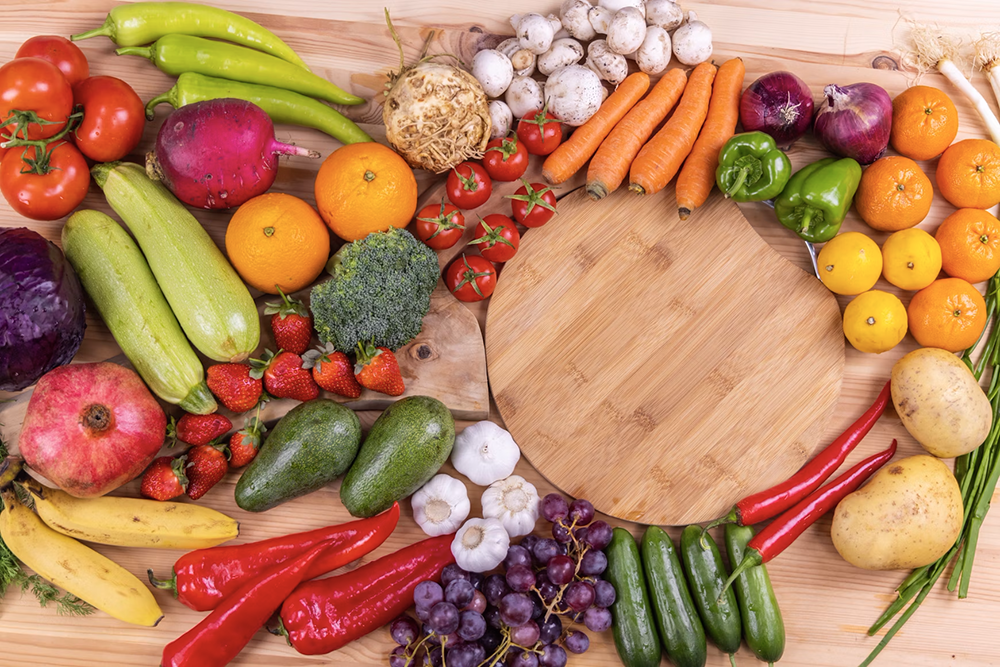
Hormonal shifts during menopause create an environment where inflammation can thrive. This results in aches and stiffness in the joints.
Focusing on an anti-inflammatory diet can make a significant difference in managing musculoskeletal pain. This approach centers on whole, unprocessed foods.
Omega-3 fatty acids are powerful inflammation fighters. Including foods rich in these healthy fats can help reduce joint pain and stiffness. Excellent sources include fatty fish like salmon and sardines, as well as plant-based options like flaxseeds, chia seeds, and walnuts.
Antioxidant-rich fruits and vegetables also play a vital role. Antioxidants protect tissues from damage and actively fight inflammation. Aim for a colorful variety, such as berries, leafy greens like kale and spinach, tomatoes, and bell peppers. These foods provide essential vitamins and compounds that support overall joint health.
For strong bones, which in turn support healthy joints, calcium and Vitamin D are indispensable.
Good dietary sources of calcium include dairy products, fortified plant-based milk, leafy green vegetables, and almonds. You can get Vitamin D from sunlight exposure and foods like fatty fish and fortified cereals. It is important to remember that vitamin D helps the body absorb calcium effectively.
Just as important as what to eat is what to limit. Processed foods, refined sugars, and excessive alcohol can contribute to increased inflammation in the body. You must also limit certain inflammatory oils, such as corn or canola oil.
A Holistic Path to Comfort
You can effectively manage menopause-related musculoskeletal pain by combining these approaches. Though small, these changes lead to significant relief if you’re consistent.
However, partnering with a healthcare provider is important. A doctor or specialist can provide personalized recommendations, help rule out other conditions like arthritis, and create a tailored plan that ensures safety and effectiveness.
This holistic approach can help you regain comfort and improve mobility, so you can enjoy life more fully during and after menopause.