
Practical Situations Where a Manual Pump Can Help Parents
Infant feeding routines are rarely static during the first months of parenthood. Just when a family settles into a predictable rhythm, a growth spurt, a…
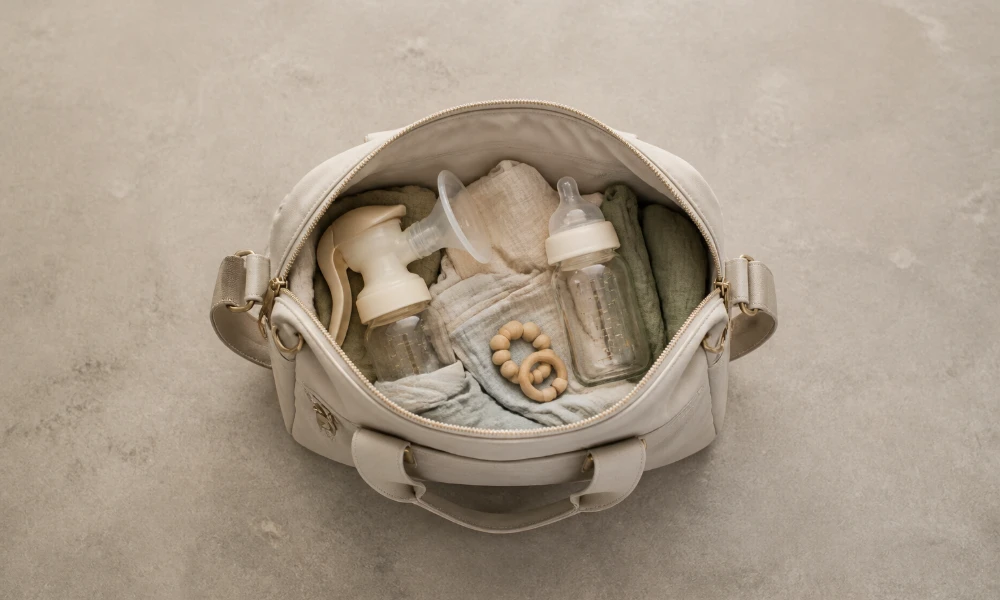
Infant feeding routines are rarely static during the first months of parenthood. Just when a family settles into a predictable rhythm, a growth spurt, a shift in sleep patterns, or an unexpected appointment can change everything. Work schedules, pediatrician visits, school pickups for older siblings, and family activities all demand practical solutions that fit a variety of real-world situations. While electric breast pumps have their place, a manual pump offers a unique kind of flexibility, one that prioritizes simplicity, portability, and control. For parents who need a straightforward way to express milk during the unpredictable flow of daily life, a manual pump can be an indispensable tool.
During the early postpartum period, a Breast Pump of any kind can help parents express milk when direct nursing is not possible or comfortable. However, manual options are especially useful for short, spontaneous sessions at home or away from regular feeding spaces. They require no electrical outlets, no complex setup, and no loud motor noise. Their compact size also makes them remarkably easy to carry for everyday use, sliding into a purse or diaper bag without adding noticeable weight or bulk.
Travel Days and Family Outings
Family trips, day-to-day errands, and even long afternoons at the park can interrupt normal feeding schedules. A manual pump provides a convenient, low-stress option when parents know they will spend extended periods away from home. Unlike larger electric pumps that may require a private room and a power source, a manual pump can be used discreetly in a parked car, a family restroom, or a quiet corner of a relative’s living room. Its portable design helps maintain feeding plans even when daily routines shift unexpectedly.
Smaller equipment also reduces the sheer amount of gear parents need to carry. Juggling a diaper bag, a baby carrier, snacks for a toddler, and a bulky pump bag can quickly become overwhelming. Compact storage allows a manual pump to fit easily inside diaper bags and travel totes alongside wipes and changes of clothes. This convenience can make outings feel far more manageable, reducing the mental load of packing and repacking.
Helpful Situations During Travel
- Long road trips with limited stopping points, where pulling over to set up an electric pump is impractical.
- Weekend visits with extended family, when privacy and quiet time may be scarce.
- Airport layovers or long waiting periods between flights, especially in crowded terminals without convenient outlets.
- Hotel stays away from normal routines, where unfamiliar environments make electric setups cumbersome.
Quiet Nighttime Sessions
Night feedings often require a calm, low-stimulation environment for both parents and babies. A manual pump can support milk expression without adding unnecessary noise during overnight hours. The soft, controlled sound of manual pumping is far less jarring than the rhythmic hum of an electric motor, making it easier for a sleeping partner or a baby in the next room to rest undisturbed. This option works especially well when babies begin sleeping for longer stretches, but parents still need to relieve pressure or maintain supply.
Short sessions during the night can help parents stay comfortable between feedings, reducing the risk of engorgement or blocked ducts. Keeping a manual pump on the nightstand allows quick access when schedules change unexpectedly—for example, when a baby who usually sleeps six hours suddenly wakes after only three. This added flexibility supports smoother, less disruptive nighttime routines for the whole household.
Backup Support During Power Interruptions
Unexpected situations can temporarily derail even the best-laid feeding plans. Power outages from storms, blown fuses, or grid issues may leave electronic devices unusable for hours or days. Likewise, forgotten charging cables, dead batteries, or international voltage differences can limit access to electric pumps while traveling. A manual pump provides a dependable, non-electric alternative that works anywhere, anytime.
A breast pump with manual operation can also serve as a practical backup during minor equipment failures—such as a cracked tubing connector or a malfunctioning motor on an electric unit. Parents can continue expressing milk without major interruptions to their established routines. Having an additional option available, even if it is rarely used, can provide extra peace of mind, knowing that a sudden equipment failure will not derail a feeding plan.
Common Backup Uses
- Power outages at home due to storms or local grid issues.
- Forgotten charging cables or adapters during travel.
- Unexpected equipment problems with a primary electric pump.
- Short pumping sessions squeezed between daily tasks when setting up a full electric system feel like too much effort.
Support During Busy Household Activities
Daily responsibilities do not pause for infant care. Household chores like laundry, cooking, and cleaning often compete for attention alongside the needs of older children who require homework help, rides to activities, or simply a parent’s presence. A manual pump offers a practical solution for parents who need flexibility between regular tasks. It can be used for five or ten minutes while waiting for a pot to boil, during a child’s bath time, or while folding a load of laundry.

Simple equipment can also save storage space and simplify cleanup after use. A manual Breast Pump has only a few parts, making it far quicker to wash and sterilize than electric setups with multiple flanges, bottles, tubes, and valves. Less preparation time allows parents to focus more attention on family responsibilities. Efficient, low-friction routines can help reduce stress during demanding days when every minute feels precious.
Flexible Help For Changing Schedules
Infant needs can change dramatically from week to week as feeding patterns develop. Growth spurts may suddenly increase milk demand. Medical appointments or social commitments can require schedule adjustments. A return to work, even part-time, often demands new pumping routines. A manual pump helps parents adapt to these everyday changes with greater convenience and less logistical hassle.
Reliable preparation supports confidence throughout the different stages of infant care. Practical feeding tools that do not rely on electricity, complex settings, or bulky accessories help parents maintain consistency during busy routines. Flexible solutions like manual pumps contribute to a smoother, more organized daily experience, reducing the feeling of being tied to one location or one piece of equipment.
After reading through these situations, one thing becomes clear: a manual pump is not a “lesser” option or a budget compromise. It is a strategic tool for real-world parenting. While electric pumps excel at routine, high-volume sessions like daily workday pumping, manual pumps shine in the unpredictable, the noisy, the cramped, and the hurried moments that actually make up most of family life.
Filed underSleep, Family & parenting