Telehealth for Physical Therapy in Modern Rehabilitation
Telehealth for physical therapy allows clinicians to assess movement, explain exercises, provide education, and monitor progress when clinicians and…
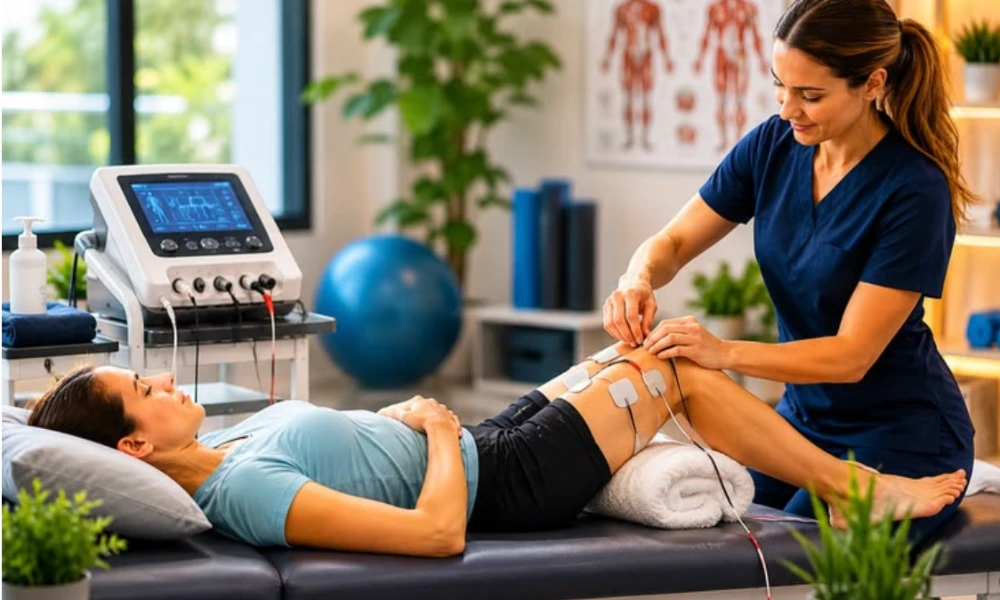
Telehealth for physical therapy allows clinicians to assess movement, explain exercises, provide education, and monitor progress when clinicians and patients are in different locations. Care may begin with a secure video appointment and continue through digital exercise delivery and communication between visits. Some patients later return to the clinic for hands-on assessment or treatment. Virtual physical therapy is therefore not a separate intervention or a replacement for clinical judgment. It is one way to deliver selected parts of a wider rehabilitation plan.
What Telehealth for Physical Therapy Includes Today
Telehealth physical therapy extends beyond a video consultation. During a live appointment, the clinician observes movement, demonstrates activities, corrects technique, discusses symptoms, and reviews progress. Secure messaging and digital program delivery maintain communication between scheduled visits.
Each component serves a different purpose within the rehabilitation process. A video consultation provides real-time interaction, while patients access exercise instructions and report their exercise adherence or outcome questionnaires between appointments. Remote physical therapy broadly describes rehabilitation delivered when the clinician and patient are in different locations. Monitoring refers specifically to the collection and review of information patients submit while following the prescribed plan.
Remote patient monitoring is often used as a general term, although RPM and Remote Therapeutic Monitoring are separate US billing categories. RPM typically concerns physiologic data. RTM covers eligible nonphysiologic therapeutic data and has its own clinical, technical, and billing requirements. Physitrack provides an RTM solution for eligible workflows in the United States. The use of telehealth rehabilitation services does not, by itself, make an activity billable.
Inside a Virtual Physical Therapy Session: From Evaluation to Follow-Up
Preparation starts before anyone joins the call. Clinic staff obtain consent or confirm that it is on file, verify the patient’s identity and location, privacy arrangements, and emergency contact information and response procedures. They also check the camera, microphone, internet connection, lighting, and available movement space. These telehealth technology requirements determine what the clinician is able to observe and whether the appointment can proceed safely.
The therapist reviews the patient’s symptoms, medical history, available records, and reason for the visit. Because not every assessment can be performed reliably by video, the therapist first determines whether a remote physical therapy evaluation is clinically appropriate.
During the virtual physical therapy session, the clinician combines conversation with movement observation and functional tasks. The camera may need to be repositioned to show walking, posture, range of motion, or a specific activity. Virtual exercise guidance goes beyond a recorded demonstration because the clinician observes the patient’s movement, answers questions, and corrects technique in real time.
Some limits are clear. Assessments that require specialized equipment, close supervision, or direct physical contact still require an in-person appointment.
After the visit, the clinician creates or updates the home exercise program. Instead of relying solely on a printed sheet, the patient receives videos, instructions, and tailored exercise parameters. Between appointments, they can record completed sessions and report pain, discomfort, or difficulty. These tools support patient engagement in telehealth and give the clinician a clearer view of how the patient is progressing with the program at home. Based on that information, the clinician may offer further guidance, adjust the program, schedule another remote appointment, or arrange a clinic visit. The technology supports the decision but does not make it.
When Virtual, In-Person, and Hybrid Physical Therapy Are Appropriate
For some patients, reaching the clinic is one of the main barriers to rehabilitation. Travel distance, limited mobility, work commitments, and the need to attend frequent appointments can make consistent attendance difficult. Telehealth improves access to physical therapy by allowing suitable parts of care to take place in the patient’s home.
Virtual physical therapy is well suited to education, movement observation, exercise progression, and routine reviews. It also supports postoperative follow-up and long-term musculoskeletal rehabilitation programs when the clinician determines that video-based delivery is safe and clinically appropriate.
The limitations are equally clear. A remote physical therapy evaluation allows the clinician to observe how a patient walks, moves, or performs a functional task, but it cannot replace palpation or manual testing. Poor camera placement may conceal clinically relevant details, while specialized equipment and close supervision require a clinic visit. If symptoms worsen or the home environment is unsafe, the clinician should stop the remote assessment and arrange appropriate in-person care.
Many practices combine virtual and in-person services. In one common hybrid care model, treatment begins with an in-person examination, continues with digital program updates, and returns to the clinic when hands-on treatment is required.
Outcomes from telehealth physical therapy must be interpreted in context. Results depend on the condition, intervention, patient suitability, access to technology, and level of participation. Delivering an appointment online does not determine its effectiveness. APTA’s guidance on telerehabilitation reviews the available evidence and helps clinicians determine when virtual care is appropriate.
How Practices Implement Telehealth Rehabilitation Services
A reliable setup does not have to be complicated. It does, however, need to work outside the clinic’s controlled environment.
The basic telehealth technology requirements include:
- Reliable internet and a compatible computer or smartphone
- A working camera and microphone
- A private, well-lit area with enough room to move
- Simple joining instructions and a test-call option
- Support for patients with hearing, vision, language, or technology-related barriers
A short test call identifies poor audio, awkward camera positioning, login difficulties, and limited movement space before they take up appointment time.
Operational responsibilities require the same attention. The practice must define how staff handle consent, scheduling, documentation, security, technical support, and applicable state laws and regulations. A clear escalation process must specify when and how staff arrange in-person care if telehealth physical therapy is no longer clinically appropriate.
Software also affects the administrative work surrounding the consultation. A standalone video tool handles the call but often leaves exercise prescriptions, messages, outcome measures, and progress reports scattered across separate systems. A connected rehabilitation platform brings these activities into one workflow while operating alongside the clinic’s EHR or practice-management system.
During early implementation, practices should track appointment completion, program participation, reported difficulties, outcome measures, transitions to in-person care, and clinician and patient feedback. Together, these indicators show whether patients remain engaged and whether operational problems affect telehealth delivery or clinical progress. Appointment completion alone does not demonstrate the quality or effectiveness of the service.
How Physitrack Connects Telehealth, Exercise Delivery, and Monitoring
Physitrack brings several parts of the workflow into its clinician-facing platform. A therapist can create a personalized home exercise program, hold a secure virtual physical therapy session, exchange messages, and review patient-submitted progress data.
Patients use PhysiApp, the patient-facing mobile and web application. Exercises, educational materials, messages, and access to appointments are available in one place instead of being distributed across separate emails, printed sheets, and video links.
During a consultation, the clinician provides virtual exercise guidance. During or after the appointment, the clinician can adjust exercise parameters and send the revised plan through PhysiApp. For US practices, Physitrack also supports eligible Remote Therapeutic Monitoring workflows, including progress tracking and billing-related administrative support.
Available EHR and practice-management integrations exchange selected information with existing clinical systems rather than replacing them. Physitrack’s exercise library includes more than 18,000 videos and is used by over 110,000 clinicians.
Practices considering telehealth for physical therapy can explore the connected workflow or request a demonstration to assess how it would fit alongside existing in-person and hybrid care.
Frequently Asked Questions
What does a physical therapist do during a telehealth visit?
The clinician reviews symptoms, observes movement, guides functional tasks, explains exercises, and corrects technique through live video. Before the session, clinic staff obtain or verify consent, identity, privacy arrangements, and emergency procedures. The physical therapist then determines whether the planned assessment is suitable for remote delivery. If the examination requires direct physical contact, specialized equipment, or close supervision, an in-person appointment is arranged instead.
What technology do PTs need to provide remote rehabilitation?
PTs need reliable internet, a compatible computer or smartphone, a working camera and microphone, and a private setting for communication. Patients also need adequate lighting and enough space to perform planned movements safely. A short test call helps identify connection, audio, login, and camera-positioning problems before they disrupt the appointment. Integrated telehealth platforms bring video consultations, secure messaging, exercise delivery, patient feedback, and outcome tracking into one workflow.
How does digital health support a treatment plan between appointments?
Digital health tools extend communication beyond the scheduled consultation. Patients receive exercise videos, instructions, and personalized exercise parameters through a mobile or web application. They may also record completed sessions and report discomfort or difficulty. The clinician reviews this information and decides whether to provide guidance, modify the treatment plan, arrange another remote session, or schedule an in-person visit. Technology provides useful information, while clinical decisions remain with the treating professional.
Who is most likely to benefit from telehealth during rehabilitation?
Remote appointments improve access to physical therapy for patients facing travel barriers, limited mobility, demanding schedules, or long distances to a clinic. Telehealth services also support postoperative follow-ups, exercise progression, and long-term musculoskeletal rehabilitation programs when remote delivery is clinically appropriate. Suitability depends on the condition, home environment, technology access, and the patient’s ability to participate safely. Remote care is not appropriate when symptoms worsen, visibility is poor, or the patient requires hands-on assessment.
When does virtual PT work well, and when is an in-person visit necessary?
Virtual PT works well for education, exercise reviews, movement observation, and routine progress checks. Online physical therapy is less suitable when the patient requires manual testing, hands-on treatment, specialized equipment, or close supervision. Many physical therapy care plans combine both formats. The clinician may complete the initial examination in the clinic, manage selected follow-ups remotely, and schedule another in-person visit when symptoms or treatment needs change.
Filed underInjury & recovery