The benefits of routine for children’s wellbeing
Children are often exposed to a wide array of activities and distractions that can feel overwhelming at times.
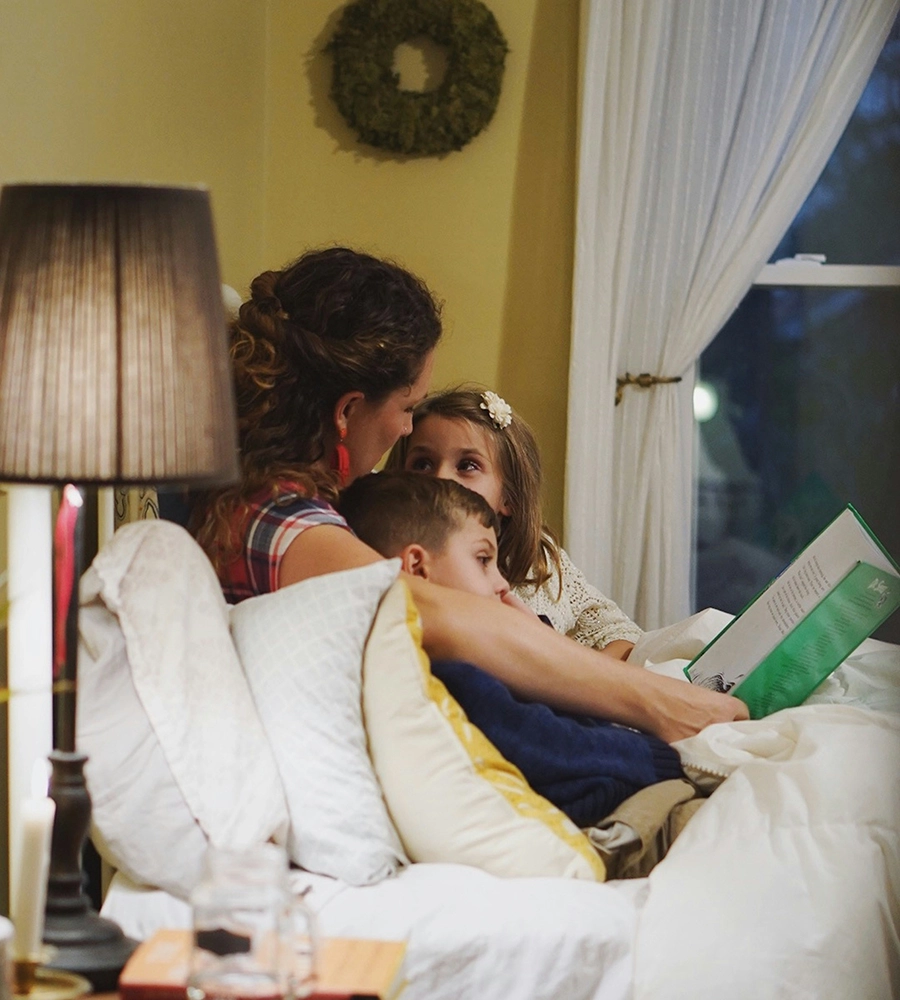
Children are often exposed to a wide array of activities and distractions that can feel overwhelming at times. That’s why it’s important to establish a consistent routine that provides them with a much-needed sense of stability and security.
A routine offers predictability, which helps reduce stress and cultivates healthy habits early on. Here’s how you can create a more structured day that supports your little ones’ emotional, physical and cognitive development.
Establishing a consistent sleep routine
For children and teens, consistent bedtimes and wake-up times are essential for healthy development. They support mood and focus, which can help with academic success.
A regular sleep routine helps regulate the body’s internal clock, making it easier to fall asleep and wake up refreshed. Sleep also plays a crucial role in mental health. Well-rested children are better equipped to manage stress and regulate emotions.
To improve sleep hygiene, encourage winding down before bed and limit screen time in the evening. Setting a consistent bedtime routine lays the groundwork for better rest and overall wellbeing.
Creating healthy meal times
Regular, nutritious meals are fundamental to children’s physical and emotional wellbeing. They help to stabilise mood and maintain steady energy levels throughout the day.
Family mealtimes can help boost social skills, while balanced diets with plenty of fruits, vegetables and whole grains support growth and cognitive development.
Amidst busy schedules, try meal planning on weekends and preparing simple, nutritious snacks. Where you can try to establish consistent meal times. Even one shared meal a day can create a positive routine, reinforcing healthy habits and family bonds.
Incorporating downtime and self-care
In a child’s schedule, regular downtime for relaxation and self-care is essential for emotional health. Structured time to unwind allows children to recharge and manage stress.
Engaging in creative pastimes like drawing, reading or even simple mindfulness exercises can help them feel calm and reduce anxiety. Encouraging self-care routines for personal hygiene and grooming can build confidence and self-awareness. There are many examples of products that can encourage this, such as dedicated skincare for kids. By prioritising downtime, they can recognise the importance of taking care of their own wellbeing.
Encouraging regular physical activity
Physical activity offers benefits such as reduced stress, improved mood and enhanced sleep quality. Integrating exercise into daily routines helps children stay active and healthy, whether through sports or fun family activities.
Incorporating Training Nets into physical activities can make exercise more engaging and effective for children. Whether practicing soccer, volleyball, or other sports, these tools help develop motor skills, coordination, and teamwork in a fun and interactive way. By integrating Training Nets into their routine, children can build confidence and enjoy the benefits of regular physical activity.
Regular movement promotes physical fitness and fosters habits that can last a lifetime. At the same time, it can reduce the risk of developing a reliance on screens for entertainment. Simple steps like outdoor play or family walks can encourage little ones to enjoy both mental and physical benefits.
Filed underAnxiety, Stress & burnout, Meditation & mindfulness, Fitness & movement, Rest & rejuvenation, Sleep, Energy & vitality, Calm, Family & parenting