The Wellness Trends That Are Actually Worth Trying
Wellness trends come and go quickly. Every year seems to introduce a new routine, product, or practice that promises to improve health

Wellness trends come and go quickly. Every year seems to introduce a new routine, product, or practice that promises to improve health, reduce stress, increase energy, or boost productivity. While some trends disappear as quickly as they arrive, others remain popular because they provide practical benefits that people can incorporate into everyday life.
Photo by Alex Bertha on Unsplash
The challenge is separating habits that create meaningful improvements from those that simply generate temporary excitement. Many of the wellness practices that continue gaining traction are not necessarily the most complicated or expensive. Instead, they are the ones that help people build healthier routines they can maintain over the long term.
Recovery-Focused Wellness Is Becoming More Mainstream
For years, wellness conversations focused heavily on exercise and nutrition. More recently, recovery has become an equally important part of the discussion.
Many people are paying greater attention to how they rest, recharge, and manage stress between workouts, work responsibilities, and daily obligations. Sleep quality, stress reduction, and physical recovery are now viewed as essential components of overall health rather than optional extras.
This shift has also influenced how homeowners think about their living spaces. Dedicated recovery areas, heat therapy, and relaxation-focused home features have become more common. Information available through https://premiumsaunas.com/ reflects the growing interest in incorporating sauna experiences into everyday wellness routines rather than reserving them for occasional spa visits.
The broader lesson is that wellness is no longer viewed solely as something that happens during exercise. Recovery itself has become a priority.
Spending More Time Outdoors
One of the simplest wellness trends is also one of the most effective.
People are increasingly recognizing the value of spending time outside, whether through walking, swimming, hiking, cycling, or simply relaxing in natural environments. Time outdoors can help break up sedentary routines while providing a change of scenery that many people find mentally refreshing.
This trend has encouraged more interest in beach visits, coastal travel, and outdoor recreation. Destinations and lifestyle inspiration featured by Simply Beach align with the idea that wellness does not always require a structured program. Sometimes a healthier routine begins with spending more time in environments that encourage movement, relaxation, and disconnection from everyday stress.
Unlike many complicated wellness strategies, spending time outdoors is accessible and adaptable to a wide range of lifestyles.
Simplifying Health Routines
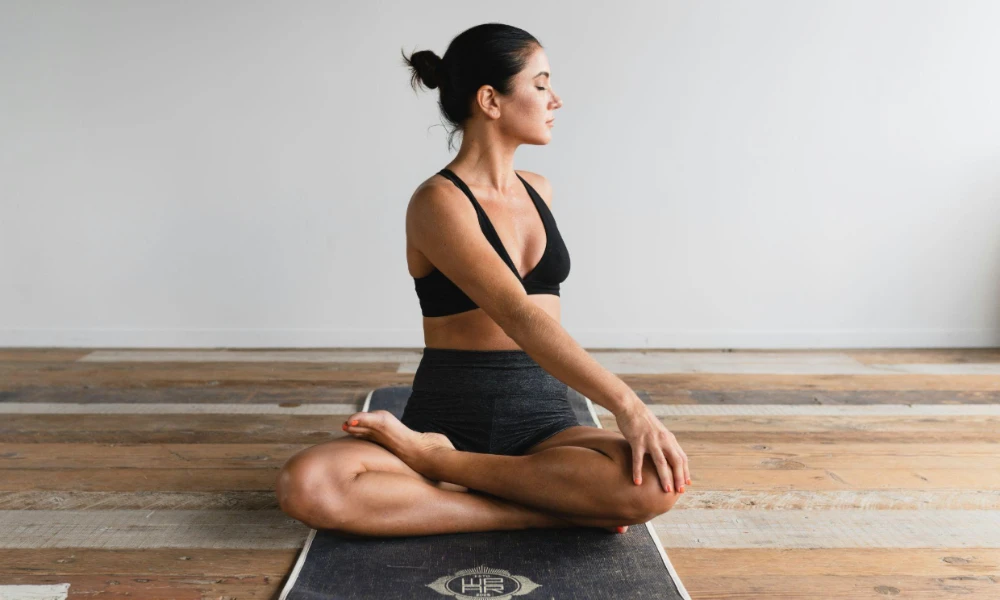
Photo by Dane Wetton on Unsplash
Many wellness enthusiasts are moving away from highly complicated routines.
Instead of trying to follow dozens of habits simultaneously, people are focusing on a smaller number of practices they can consistently maintain. This may involve reducing unnecessary products, streamlining meal preparation, simplifying exercise plans, or creating more manageable self-care routines.
Consistency often produces better results than constantly changing approaches. A simple routine followed for months generally provides more benefits than an elaborate plan that lasts only a few weeks.
The appeal of simplification lies in sustainability. When healthy habits fit naturally into everyday life, they are much more likely to continue.
Prioritizing Sleep Quality
Sleep has become one of the most discussed topics in modern wellness.
Researchers, healthcare professionals, athletes, and productivity experts all emphasize the importance of consistent, high-quality sleep. As a result, many people are paying closer attention to their sleep environments and evening routines.
Reducing screen exposure before bed, maintaining consistent sleep schedules, improving bedroom comfort, and creating calming nighttime rituals have become increasingly common wellness practices.
Unlike many trends that rely on expensive products, improving sleep often begins with behavioral changes. Small adjustments can have meaningful effects on energy levels, focus, recovery, and overall well-being.
This is one reason sleep continues to remain at the center of wellness conversations.
Mental Wellness Is Being Integrated Into Daily Life
Mental well-being is no longer treated as a separate category from physical health.
Many people now view stress management, mindfulness, emotional resilience, and mental recovery as essential components of a healthy lifestyle. Practices such as meditation, journaling, breathing exercises, and digital boundaries have become more common as individuals look for ways to manage increasingly demanding schedules.
Importantly, these habits are becoming integrated into daily routines rather than reserved for special occasions. Short periods of mindfulness, intentional breaks, and moments of reflection are often easier to maintain than major lifestyle overhauls.
This shift reflects a broader understanding that long-term wellness involves both physical and mental health working together.
Wellness Is Becoming More Personalized
Perhaps the most significant trend is personalization.
People are increasingly moving away from one-size-fits-all approaches and focusing on what works best for their individual circumstances. A routine that helps one person feel healthier may not be the right fit for someone else.
This perspective encourages experimentation, flexibility, and self-awareness. Rather than chasing every new trend, individuals are becoming more selective about which practices they adopt and maintain.
The result is a more practical approach to wellness. Instead of pursuing perfection, people are building routines that support their goals, fit their schedules, and contribute to long-term well-being.
Many of the wellness trends that continue to gain momentum share this characteristic. They are not built around quick fixes or dramatic transformations. They are built around sustainable habits that people can realistically maintain over time.
Filed underStress & burnout, Meditation & mindfulness, Cold & heat therapy, Rest & rejuvenation, Nature, Sleep