







Unlocking the Power of Craving:A Biomedical Perspective on Enhancing Wellbeing
-
- July 8, 2025

In the pursuit of wellbeing, one often overlooked yet profoundly influential biological mechanism is craving. Commonly perceived as a hindrance to good health, craving is frequently associated with impulsive decisions, unhealthy dietary choices, and addictive behaviors. Yet from a biomedical standpoint, craving offers critical insights into our physiological and psychological state. Recent scientific advancements shed light on the intricate biology underlying cravings, providing powerful opportunities for enhancing health, vitality, and overall wellbeing.
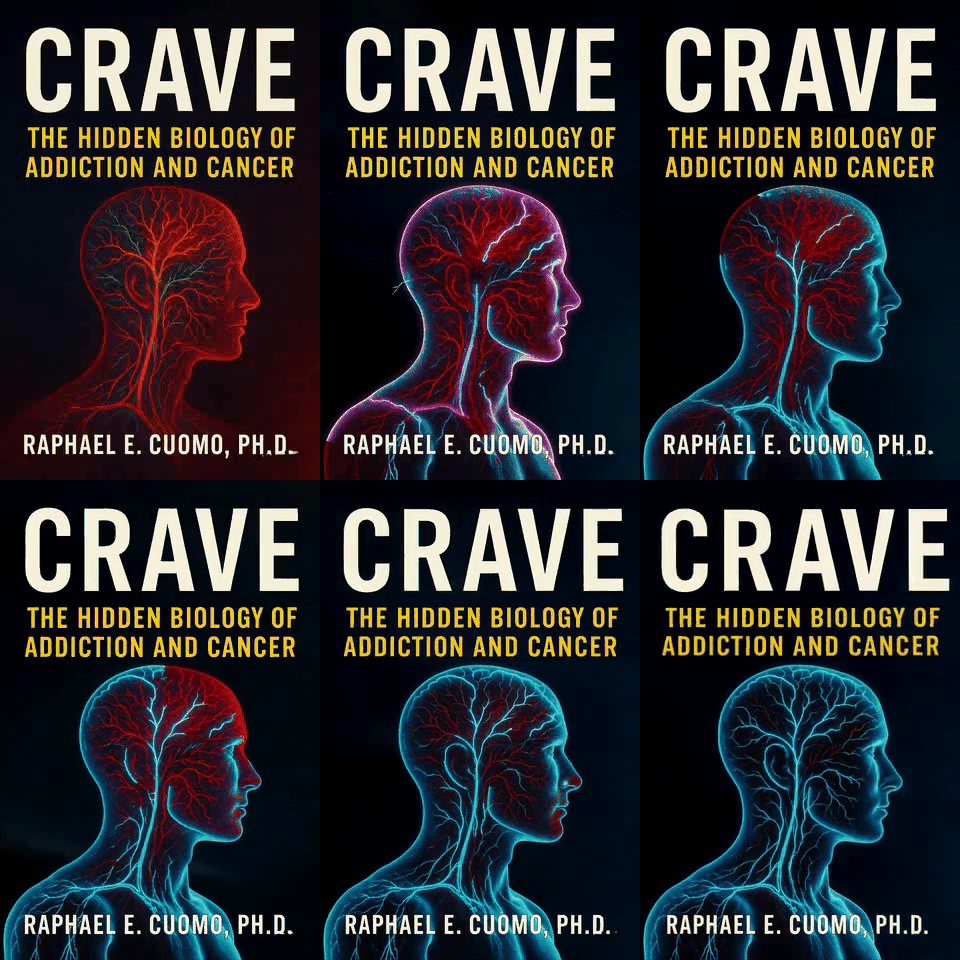
In his pioneering work, Crave: The Hidden Biology of Addiction and Cancer, Dr. Raphael Cuomo, a prominent epidemiologist and biomedical researcher, explores the complex intersection between biological cravings, addiction, and chronic diseases including cancer. Dr. Cuomo’s work reveals that cravings are not mere arbitrary impulses; rather, they represent sophisticated signals from our body, reflecting deep physiological needs and internal states.
Historically, cravings evolved as essential biological responses designed to ensure survival by driving organisms toward critical nutrients, hydration, and social connections. However, in the contemporary context of abundant food, ubiquitous technology, and relentless stimuli, cravings often become dysregulated. As Dr. Cuomo elucidates, our modern environment hijacks ancient biological pathways, transforming what was once a survival mechanism into a potential health liability.
At the biochemical and neurological level, craving involves complex interactions among neurotransmitters, hormones, and brain circuits. Dr. Cuomo’s research highlights the role of dopamine, serotonin, and endorphins, which mediate feelings of pleasure, satisfaction, and reward. When these systems are activated repeatedly by high-calorie foods, addictive substances, or digital stimulation, they can lead to long-term physiological changes, contributing to disorders such as obesity, diabetes, cardiovascular diseases, and certain cancers.
Understanding craving at this fundamental biological level allows for an evidence-based approach to health enhancement. Nutritional status, for instance, profoundly impacts craving dynamics. Nutritional deficiencies often manifest as intense cravings, signaling that the body requires specific nutrients. For example, cravings for sweets may indicate low energy states or hormonal imbalances. Ensuring dietary adequacy through balanced nutrition can mitigate these cravings, realigning physiological signals to promote health rather than undermine it.
Similarly, regular physical activity has demonstrated efficacy in regulating craving biology. Exercise not only modulates neurotransmitter and hormonal activity but also strengthens neural circuits involved in impulse control and emotional regulation. Through these mechanisms, physical activity can reorient the body’s craving responses away from maladaptive habits toward more health-promoting behaviors.
Another critical aspect examined by Dr. Cuomo is the influence of chronic stress on cravings. Stress disrupts hormonal equilibrium, intensifying the desire for immediate gratification through high-calorie foods, substances, or compulsive behaviors. Effective stress-management strategies, such as mindfulness meditation, controlled breathing exercises, and therapeutic yoga, can alleviate stress-induced cravings by restoring hormonal and neurological balance.
Importantly, recognizing cravings as biological phenomena allows for a more compassionate and scientific approach to personal health. Cravings are not indicative of personal weakness or moral failure but rather reflect underlying biological states that can be scientifically addressed. Dr. Cuomo advocates a shift in perspective: instead of viewing cravings as adversaries, individuals should interpret them as valuable biomarkers, revealing hidden needs and states of imbalance.
Moreover, cultivating awareness around the biological underpinnings of craving can empower individuals to take proactive measures in their wellbeing practices. Scientific observation suggests maintaining a detailed record of cravings and contextual factors such as emotional states or nutritional intake can yield insights into individual craving patterns. These insights allow for targeted interventions and lifestyle modifications, significantly improving overall health outcomes.
Dr. Cuomo also emphasizes the importance of developing alternative activities to satisfy reward pathways within the brain constructively. Engaging in creative hobbies, intellectual pursuits, or social interactions can activate the same neurological reward mechanisms as unhealthy cravings, facilitating healthier habits and sustainable wellbeing.
Community support further complements individual efforts to manage cravings effectively. Shared experiences, social reinforcement, and collective motivation through support groups or wellness communities can significantly enhance individual efforts, making health-promoting behaviors more accessible and sustainable.
Ultimately, Dr. Cuomo’s groundbreaking exploration into craving biology invites a profound reconsideration of how we perceive and respond to our physiological and emotional signals. By leveraging scientific insights into the nature and function of cravings, individuals can harness these powerful biological messages to foster profound health improvements, enhancing both quality of life and longevity.
In a world increasingly attuned to health and wellbeing, decoding and constructively responding to the hidden biological language of craving may be one of the most critical advancements in contemporary health science. Dr. Cuomo’s work offers a transformative blueprint for achieving a balanced, vibrant, and sustainably healthy life, grounded firmly in the principles of modern biomedical research.
- About the Author
- Latest Posts

Our Editorial Team are writers and experts in their field. Their views and opinions may not always be the views of Wellbeing Magazine. If you are under the direction of medical supervision please speak to your doctor or therapist before following the advice and recommendations in these articles.


