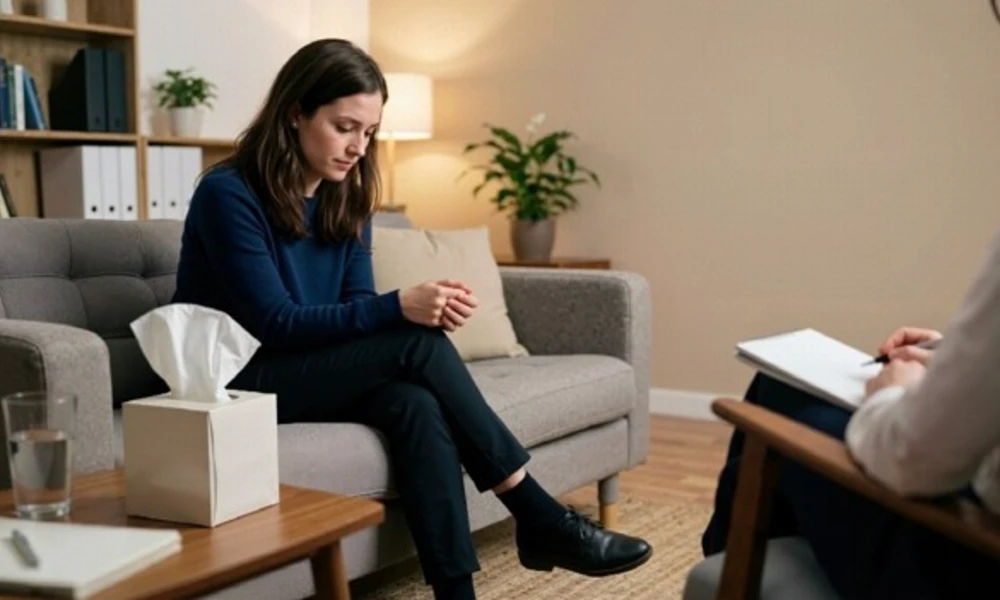
Ways Group Therapy Helps People Develop Stronger Coping Skills
Working through mental health challenges can feel overwhelming when every difficult moment seems like something that must be handled alone. Many people try…
Working through mental health challenges can feel overwhelming when every difficult moment seems like something that must be handled alone. Many people try different ways to manage stress, anxiety, depression, or other emotional concerns, but still struggle to find coping strategies that work consistently. Learning alongside others in a structured therapeutic setting offers a different path. This article explains different ways group therapy helps people develop stronger coping skills and why these skills continue supporting everyday life long after each session ends.
Consistent Support Encourages Lasting Progress
Developing healthy coping skills takes practice, encouragement, and time. Regular participation creates opportunities to strengthen new habits while remaining accountable for personal goals. Progress becomes easier to recognize when people receive encouragement from both therapists and fellow participants.
Programs provided by the team at Bergen County Mental Health demonstrate how professionally guided group sessions create a supportive environment where participants continue building emotional resilience while developing practical coping skills for everyday life. Consistent support helps reinforce positive changes, even when new challenges arise outside the therapy setting.
Shared Experiences Create New Perspectives
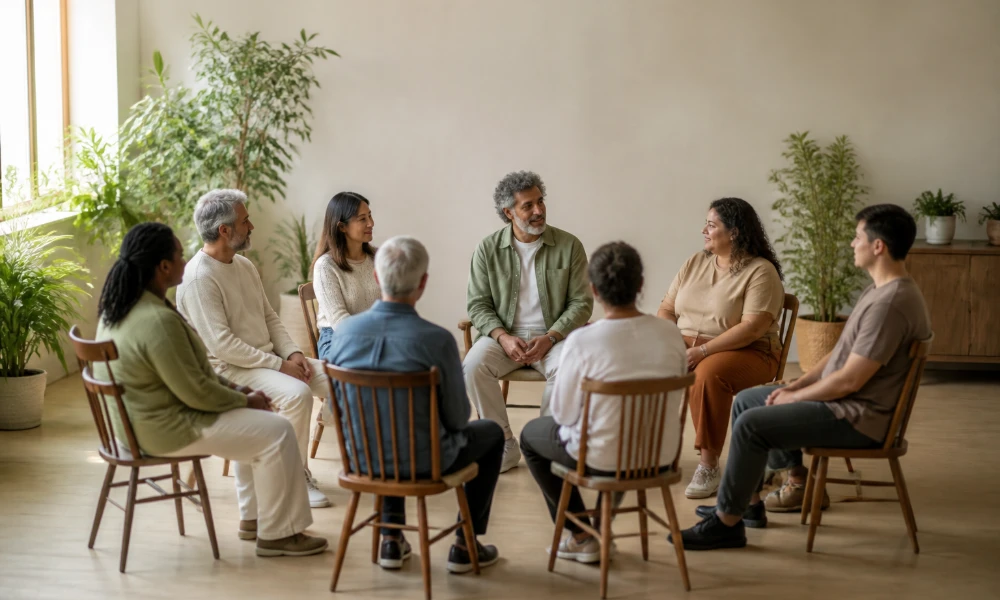
Emotional challenges can sometimes make people believe their struggles are unique or impossible to overcome. Listening to others describe similar experiences helps replace isolation with connection while introducing practical ways to manage everyday situations.
Every participant brings different life experiences and coping strategies to the discussion. Someone else's approach to handling stress, rebuilding confidence, or managing anxiety may offer a fresh perspective that feels realistic and achievable. As people hear stories of progress and resilience, they begin recognizing that difficult situations can be approached in more than one way.
Better Communication Builds Healthier Relationships
Healthy communication is an important coping skill because many emotional challenges affect relationships with family, friends, and coworkers. Group discussions provide opportunities to express thoughts respectfully while learning how to listen without judgment.
Regular conversations help participants practice explaining emotions more clearly, responding calmly during disagreements, and accepting constructive feedback. These communication skills become valuable outside therapy as people begin handling workplace discussions, family conversations, and personal relationships with greater confidence and understanding.
Emotional Awareness Makes Daily Challenges Easier to Manage
Strong coping skills begin with recognizing emotions before they become overwhelming. Therapy sessions encourage participants in Bergen County to identify emotional triggers, notice recurring patterns, and understand how thoughts, emotions, and behaviors influence one another.
Greater emotional awareness allows people to pause before reacting automatically. Instead of responding through frustration, fear, or self-criticism, they learn to evaluate situations more thoughtfully and choose healthier responses. Over time, this awareness supports better emotional regulation during everyday challenges.
Practical Problem-Solving Skills Improve Confidence
Life presents situations that rarely have simple answers. Financial concerns, relationship difficulties, workplace stress, and unexpected changes all require thoughtful decision-making. Therapy encourages participants to approach these situations with structure instead of becoming overwhelmed.
People learn how to separate large problems into manageable steps, evaluate possible solutions, and focus on actions within their control. Practicing these techniques during discussions builds confidence, making future challenges feel more manageable and reducing the tendency to react emotionally before considering practical solutions.
Strong coping skills are developed through consistent practice rather than quick solutions. Group therapy from professionals such as the team at Bergen County Mental Health helps provide better opportunities to learn from shared experiences, improve communication, and strengthen emotional awareness. They also develop practical problem-solving abilities and offer ongoing support for healthier emotional well-being. These skills continue serving people long after therapy sessions end because they become part of everyday decision-making and relationships. With professional guidance and a supportive environment, group therapy provides a meaningful foundation for long-term emotional resilience and personal growth.
Filed underConnection