Ways to Stay Healthy After Retirement
Retirement can feel refreshing. After years of work and stress, this new time gives you a chance to focus on yourself and your interests.
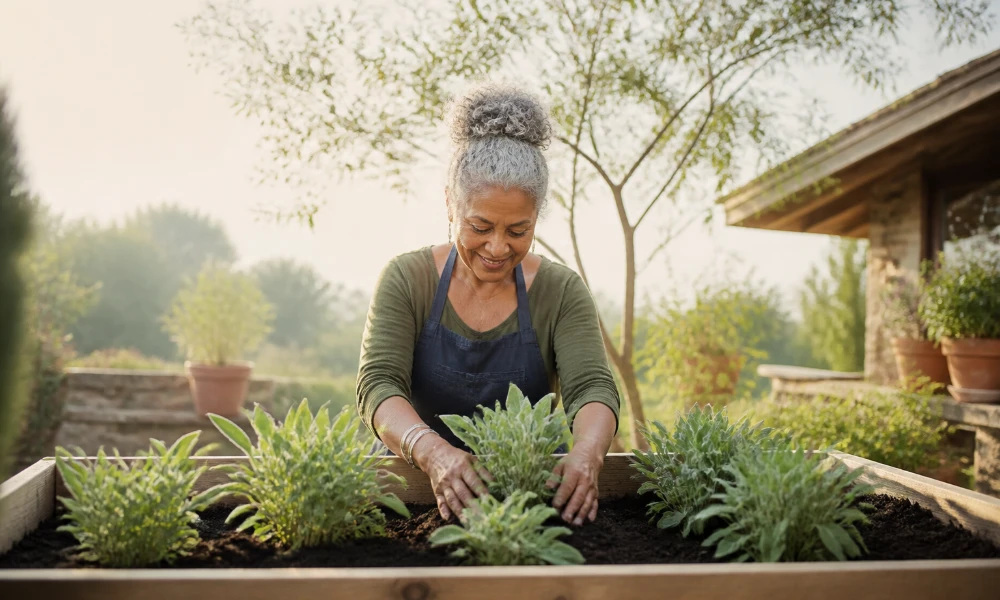
Retirement can feel refreshing. After years of work and stress, this new time gives you a chance to focus on yourself and your interests. However, retirement can come with health challenges. With less structured days, it’s easy to fall into old habits or become less active. It’s important to keep your health in mind during this exciting time.
Why is staying healthy important? A healthy lifestyle can improve your quality of life, boost your confidence, and prepare you for new adventures. You want to enjoy your freedom fully. Let’s look at ways to stay healthy after retirement.
Nutrition Choices
Good food choices are vital for aging well. A balanced diet with fruits, vegetables, whole grains, and lean proteins helps you stay energized and manage health conditions. Cooking at home can be rewarding and allows you to control what you eat.
Try new recipes or take a cooking class to meet others and improve your cooking skills. Many online resources can guide you in preparing healthy meals based on what you like. Meal prepping is also helpful. Making meals in advance can reduce daily cooking stress and help you maintain healthy eating habits.
Retirement Home
Moving to a retirement home has many benefits for a healthy lifestyle. These communities provide facilities and activities that focus on overall wellness.
Retirement homes often have gyms, organized events, and social gatherings that encourage physical activity and social interaction. This environment makes it easier to make friends and lead an active lifestyle. Nutrition is also important, as meals are usually planned to support good health and ensure residents eat balanced diets.
Living in a retirement home creates a sense of community. Being around people with similar interests encourages motivation and inspiration. This supportive environment helps maintain overall health.
Sleep Hygiene
Getting enough good sleep is important for your health, especially after retirement. Your sleep patterns may change as you age, so it’s essential to have a consistent routine. Aim for 7 to 9 hours of sleep each night for the best rest.
Create a relaxing bedtime routine to help your body know it’s time to sleep. This could include reading, gentle stretches, or listening to calming music. Make sure your sleep environment is comfortable. A dark, quiet room can greatly improve your sleep quality. Avoid screens and caffeine before bed to help you fall asleep more easily. Focusing on good sleep hygiene will boost your mood, energy, and thinking skills.
Lifelong Learning
Retirement is a great time for lifelong learning, which keeps your mind active. You can learn a new language, take workshops, or explore subjects you enjoy. Continuous learning helps your brain stay sharp and increases your happiness.
Think about enrolling in courses at a local community college or online that interest you. Many universities offer free or discounted classes for seniors. You can also listen to educational podcasts, watch documentaries, or join book clubs on various topics. Staying intellectually active not only enriches your knowledge but also helps you meet others who enjoy learning. Embracing lifelong learning makes retirement more fulfilling and exciting.
Physical Activity
Regular physical activity is key to a healthy lifestyle, especially after retirement. Find an exercise you enjoy, like walking, swimming, yoga, or dancing. Joining a local fitness class for seniors can benefit your health and help you make new friends.
You don’t have to stick to formal workouts. Activities like gardening, daily walks, or fun outdoor hobbies also keep you active. Staying active helps maintain strength, balance, and flexibility, which are important as you age. Plus, getting some fresh air is always good.
Social Connections
Staying socially active is as important as staying physically healthy. Strong connections with others can lift your mood and boost your health. Retirement gives you a chance to make new friends and try new experiences. Join clubs, take classes, or attend community events to connect with others.
Joining a book club or volunteering lets you meet people who share your interests. Many retirement communities offer activities that help you make friends and feel part of the community.
Mental Well-being
Looking after your mental health is vital after retirement. Keeping your mind active with puzzles, reading, or learning something new helps keep it sharp. Online courses cover many topics, allowing you to learn at your own pace.
Mindfulness and relaxation techniques can help clear your mind and improve your emotional health. Spend time meditating, practicing deep breathing, or enjoying nature to reduce stress. Being proactive about your mental health leads to more happiness and satisfaction in retirement.
Hobbies and Interests
Exploring new hobbies or deepening existing ones can boost your well-being. Activities like painting, knitting, golfing, or playing an instrument give you a positive outlet. Focusing on your interests keeps your mind engaged and helps you live a fulfilling life after retirement.
Consider joining a retirement residence where you can share your hobbies. Creative activities can be both relaxing and rewarding, and friendships formed can support your healthy lifestyle.
It is important to create a balanced lifestyle that focuses on physical, mental, and social well-being after retirement. Embrace the opportunities this new phase brings, and explore different ways to maintain your health.
Filed underFitness & movement, Sleep