
What Actually Moves an A1C, and Where Ceylon Cinnamon Fits
An A1C result is a three-month average dressed up as a single number. According to the CDC, the test measures the share of red blood cells carrying…
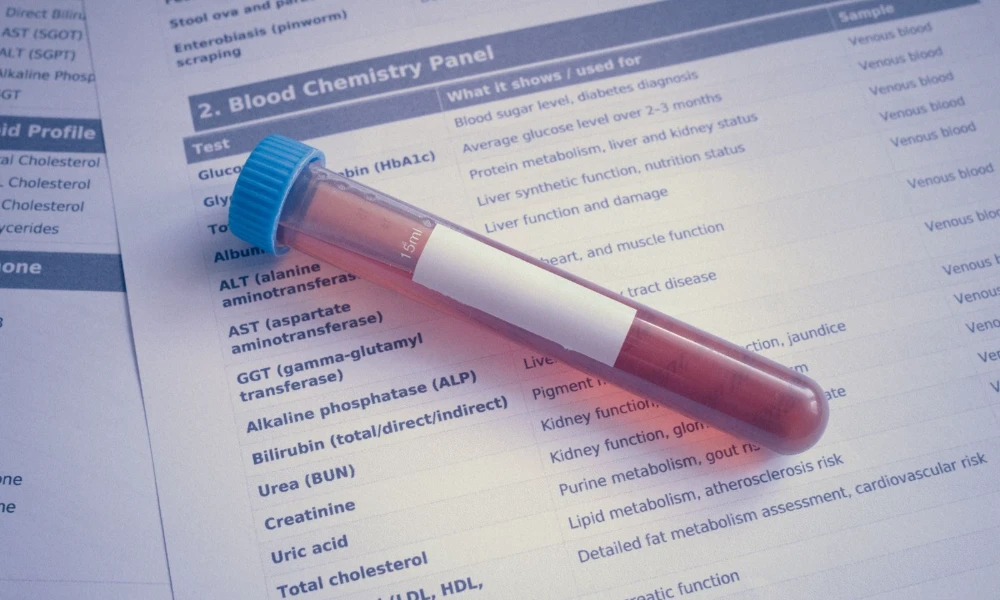
An A1C result is a three-month average dressed up as a single number. According to the CDC, the test measures the share of red blood cells carrying sugar-coated hemoglobin. That share reflects average blood sugar over roughly the past three months. Below 5.7% counts as normal. From 5.7% to 6.4% is prediabetes, and 6.5% or higher is the diabetes range. Most people fixate on the number and skip past the three months, and the three months are why the number behaves the way it does.
Why it's slow to move
Because the test looks backward across a whole season, a change made two weeks before a blood draw has barely had time to show up. Someone who overhauls breakfast in early spring and gets tested a month later is mostly looking at the winter they had before the change. It's an easy way to end up convinced an A1C "didn't budge" when the daily readings clearly improved.
It cuts the other way too. A few bad weeks around the holidays usually won't wreck a result on their own, because they're averaged in with everything else.
What the research says moves it

Photo: Orhan Pergel on Pexels
The strongest evidence isn't about any pill at all. In the NIH's Diabetes Prevention Program, a trial of 3,234 adults at high risk for type 2 diabetes run from 1996 to 2001, participants who aimed to lose 7% of their body weight and get 150 minutes of activity a week cut their risk of developing type 2 diabetes by 58%, compared with 31% for the group that took metformin. For participants aged 60 and older, the lifestyle program lowered the risk by 71%.
Those gains didn't vanish. At the 10-year follow-up, the lifestyle group was still seeing a 34% delay in developing diabetes. It's a high bar for any supplement to clear.
Where supplements come in
Supplements sit a long way behind that, and the federal research summaries say so plainly. The National Center for Complementary and Integrative Health (NCCIH) describes the evidence for cinnamon, chromium and berberine as weak, with a possible benefit in some studies and no clear conclusions yet.
The result NCCIH points to is a 2019 analysis pooling 16 studies and 1,098 participants. As NCCIH summarizes it, cinnamon lowered fasting glucose and insulin resistance among people with prediabetes or type 2 diabetes. NCCIH's summary of that review talks about fasting glucose and insulin resistance, not A1C, and it notes the studies used different doses and lengths and that standardized cinnamon formulations still need proper testing. Anyone expecting a supplement to move an A1C by itself is asking more of the research than it has delivered.
What the research does support is a narrower idea. Cinnamon, used consistently, may be one small input alongside the diet and activity changes that carry most of the weight.
Ceylon, and what the label should tell you
Species is where a lot of cinnamon products lose credibility. NCCIH notes that many products don't say which type of cinnamon they contain, even though the types differ chemically. Cassia is the common one on North American shelves and carries coumarin in varying amounts, a concern for people with liver problems who'd be taking it daily. Ceylon, from Sri Lanka, may have only a trace.
Metabolae is one Ceylon brand that puts the details on the page. Its softgel lists Cinnamomum verum from Sri Lanka, concentrated 12:1 into MCT oil, one a day, and the company keeps its benefit claims to supporting blood sugar levels within the normal range. The FAQ at metabolae.com also sets a sensible expectation. The company says blood sugar support takes longer to become measurable than changes in energy, and it tells people to plan on at least six to eight weeks before drawing conclusions.
That timeline fits how the A1C works. Six to eight weeks is about half of the three-month window the test looks back across, so a steady change would only be partway into the average by then.
When the number looks wrong
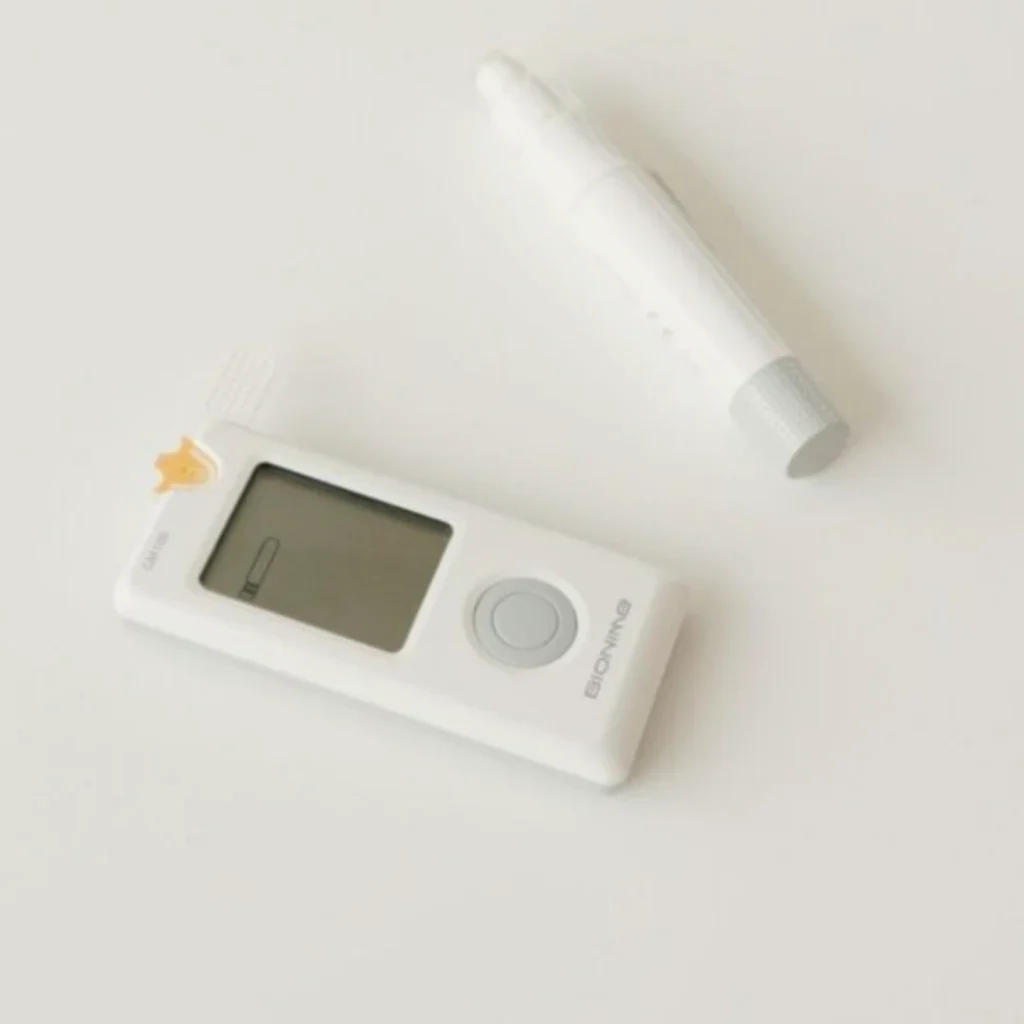
Photo: Artem Podrez on Pexels
Sometimes the problem isn't the habit change, it's the test. The CDC lists several conditions that can throw off an A1C result, including severe anemia, kidney failure, liver disease, certain blood disorders such as sickle cell anemia or thalassemia, some medications, recent blood loss or transfusions, and early or late pregnancy. If a result doesn't match what a home glucose meter has been saying for months, that mismatch is worth raising with the doctor rather than chalking up to willpower.
Reading the next result
The practical approach is dull. That's probably why it works. Pick one or two changes that can actually be kept up and give them a full testing cycle. After that, the comparison that matters is the new A1C against the last one, not against a number someone posted online. Anyone adding a supplement, cinnamon included, should tell the prescriber, particularly if they already take medication for blood sugar, since both push in the same direction.
A Ceylon cinnamon softgel can be a reasonable part of that routine for someone who wants one. It belongs inside a plan built around food, movement and regular testing, with the A1C as the scorecard every few months.
Quick answers
How long does a change take to show up in A1C?
Longer than most people expect. The test reflects roughly the past three months. A new habit needs most of that window before it's fairly represented in the result.
How often should A1C be checked?
The CDC suggests testing for anyone over 45. People with prediabetes are usually retested every one to two years, and people with diabetes typically get an A1C at least twice a year, though a doctor sets the actual schedule based on age and risk factors. Some people ask for one sooner after a big change, and that's a reasonable conversation to have, as long as they remember what a short gap can and can't show.
Can cinnamon replace metformin or other medication?
No. NCCIH warns against using any unproven health product in place of medical treatment for diabetes
Filed underDiabetes