
Why More People Are Turning to Digital Longevity Clinics for Preventive Care
Healthcare is changing rapidly, and one of the biggest shifts is the growing focus on prevention instead of simply treating illness after it develops.…
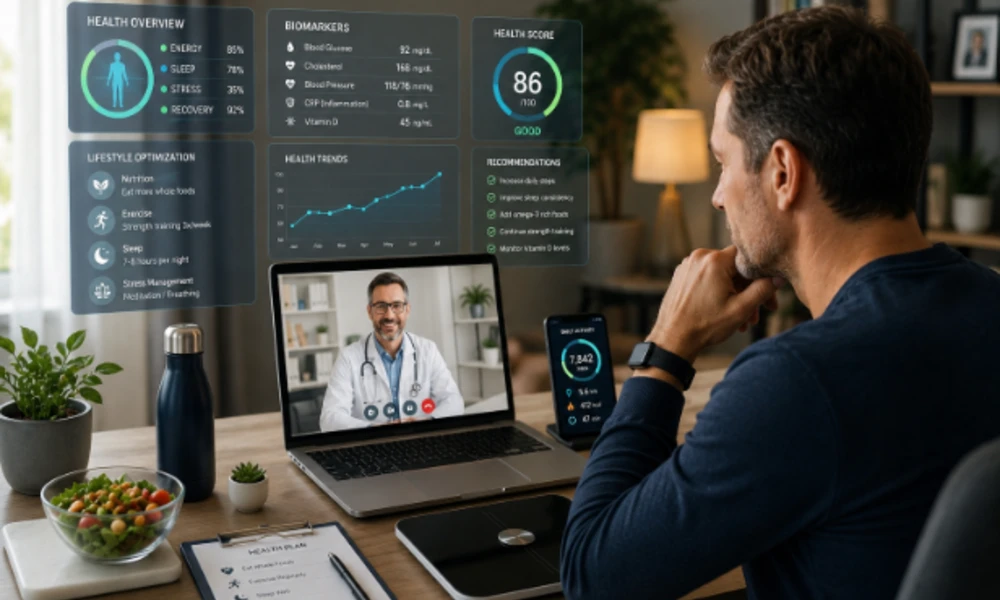
Healthcare is changing rapidly, and one of the biggest shifts is the growing focus on prevention instead of simply treating illness after it develops. People are becoming more proactive about protecting their long-term health, improving their quality of life, and reducing the risk of age-related diseases. This has fueled interest in digital healthcare platforms that make expert guidance more accessible than ever.
Among these innovations, the longevity clinic online model has emerged as a convenient way for individuals to receive personalized health assessments, lifestyle recommendations, and evidence-based treatment plans without visiting a traditional medical office. By combining modern technology with preventive medicine, these clinics are helping people take greater control of their future health.
Preventive Care Is Becoming the New Standard
For decades, healthcare systems have primarily focused on diagnosing and treating diseases after symptoms appear. While this approach remains essential, it often overlooks opportunities to reduce risk before problems develop.
Preventive care encourages people to identify potential health concerns early through regular monitoring, personalized screening, nutritional improvements, exercise planning, and healthy lifestyle adjustments. Instead of waiting for chronic conditions to emerge, patients can work toward maintaining optimal health throughout adulthood.
This proactive approach aligns closely with the goals of longevity medicine, which aims to support healthier aging rather than simply extending lifespan.
Digital Healthcare Makes Expert Support Easier to Access
One reason digital longevity services have gained popularity is convenience. Scheduling appointments, traveling to clinics, and waiting for consultations can discourage many people from seeking preventive care regularly.
An online longevity clinic allows patients to connect with experienced healthcare professionals from home. Through virtual consultations, digital health records, laboratory testing coordination, and personalized follow-up plans, individuals receive ongoing guidance without unnecessary travel.
For busy professionals, parents, and people living far from specialized medical centers, online care removes many traditional barriers to accessing preventive healthcare.
Personalized Health Plans Offer Better Long-Term Value
No two people age the same way. Genetics, nutrition, sleep quality, stress, physical activity, environmental exposure, and medical history all influence the aging process.
Digital longevity clinics typically create customized health plans based on comprehensive assessments rather than generic recommendations. These plans may include:
- Lifestyle modifications
- Nutrition counseling
- Exercise guidance
- Sleep optimization
- Weight management
- Laboratory monitoring
- Cardiovascular risk reduction
- Metabolic health improvement
Because recommendations are tailored to the individual, many patients find them easier to follow consistently.
Continuous Monitoring Helps Detect Changes Earlier
Preventive medicine is most effective when health changes are identified before symptoms become serious.
Many digital clinics encourage regular laboratory testing and health tracking. Common areas monitored include:
- Blood glucose
- Cholesterol levels
- Blood pressure
- Hormone balance
- Inflammatory markers
- Vitamin deficiencies
- Body composition
Tracking these indicators over time allows healthcare providers to adjust recommendations as needed rather than relying on occasional checkups years apart.
Early intervention often leads to better outcomes and may reduce future healthcare costs.
Lifestyle Optimization Remains the Foundation
While medical science continues to advance, lifestyle choices remain among the most powerful tools for healthy aging.
Digital longevity clinics often prioritize sustainable improvements in everyday habits, including:
Better Nutrition
Balanced eating patterns rich in vegetables, fruits, lean proteins, healthy fats, and whole grains support metabolic health and overall wellness.
Regular Physical Activity
Strength training, cardiovascular exercise, flexibility work, and daily movement all contribute to healthy aging and improved mobility.
Improved Sleep
High-quality sleep supports hormone regulation, immune function, cognitive performance, and recovery.
Stress Management
Long-term stress can negatively affect nearly every body system. Personalized stress reduction strategies may include mindfulness, breathing exercises, relaxation techniques, or improved work-life balance.
The Growing Interest in Longevity Research
Scientific research into aging has expanded dramatically over the past decade. Researchers are studying how cellular aging, inflammation, metabolism, genetics, and environmental factors influence long-term health.
While many findings remain under investigation, growing evidence suggests that healthy lifestyle interventions combined with appropriate medical oversight may help individuals maintain better physical and cognitive function as they age.
Digital longevity clinics often stay updated on emerging research while applying treatments supported by current scientific evidence and professional medical guidance.
Exploring Advanced Preventive Therapies
As longevity medicine evolves, some clinics also discuss advanced therapeutic options when appropriate for individual patients.
One area receiving significant research attention is Rapamycin longevity, a topic frequently explored within longevity medicine because scientists continue investigating its potential effects on aging-related biological pathways. Although research remains ongoing, any decision regarding this therapy should always involve qualified healthcare professionals who evaluate each patient's medical history, potential benefits, and possible risks before making treatment recommendations.
Evidence-based medical supervision remains essential whenever considering emerging therapies.
Data-Driven Decisions Improve Personalized Care
Modern healthcare increasingly relies on data rather than assumptions.
Digital platforms can combine laboratory results, wearable device information, medical history, and lifestyle habits into comprehensive health profiles. Physicians can use these insights to identify trends that might otherwise go unnoticed.
Instead of relying on generalized advice, patients receive recommendations based on measurable health indicators that evolve over time.
This individualized approach often increases confidence in preventive care plans.
Building Long-Term Relationships With Healthcare Providers
Preventive care is not a one-time event. Healthy aging requires consistent adjustments as people move through different stages of life.
Digital longevity clinics often emphasize ongoing communication between patients and healthcare professionals. Regular virtual appointments help review progress, answer questions, update treatment strategies, and address new health concerns before they become significant problems.
This continuity encourages greater accountability and supports lasting lifestyle improvements.
Why Digital Longevity Clinics Continue to Grow
Several factors are driving increased interest in online longevity services:
- Greater awareness of preventive healthcare
- Improved telemedicine technology
- Personalized treatment strategies
- Easier access to medical specialists
- Ongoing health monitoring
- Increased interest in healthy aging
- Flexible appointment scheduling
- Convenient virtual consultations
Together, these advantages make preventive healthcare more accessible for individuals seeking long-term wellness rather than reactive medical care.
The Future of Preventive Longevity Care
As medical research continues expanding our understanding of aging, preventive care will likely become even more personalized.
Artificial intelligence, wearable health devices, advanced laboratory testing, genetic analysis, and precision medicine may further improve how healthcare professionals identify risks and recommend interventions.
Digital longevity clinics are well positioned to integrate these technologies while maintaining ongoing relationships with patients focused on healthier aging and improved quality of life.
The goal is not simply living longer but maintaining physical health, mental sharpness, and independence throughout the aging process.
Conclusion
Preventive healthcare is reshaping the future of medicine, and digital longevity clinics are playing an important role in that transformation. By offering personalized guidance, convenient virtual consultations, ongoing monitoring, and evidence-based recommendations, these services help individuals become active participants in their long-term health journey.
As scientific knowledge continues to grow, digital preventive care is expected to become an increasingly valuable resource for people seeking healthier, more vibrant lives through personalized medical support and sustainable lifestyle improvements.
FAQs
What is a digital longevity clinic?
A digital longevity clinic provides virtual healthcare services focused on healthy aging, preventive medicine, and personalized wellness plans.
Why are online longevity clinics becoming popular?
They offer convenience, personalized care, easier access to specialists, and continuous health monitoring from home.
Is preventive care only for older adults?
No. Adults of all ages can benefit from preventive care by identifying health risks early and building healthier habits.
What does Rapamycin longevity refer to?
It refers to ongoing scientific research into rapamycin's potential role in aging-related biological processes, conducted under professional medical supervision.
Can digital clinics replace traditional healthcare?
Digital clinics complement traditional healthcare by providing ongoing preventive support, but they do not replace emergency or specialized in-person medical care when necessary.
Filed underHeart health, Women's health & hormones, Sleep, Longevity