5 Mental Health Benefits of Taking a Bath
Humanity has been taking baths since way back in 3000-2001BC. Since then, bathing has been used not only for getting clean but also for leisure and socialising, with bathhouses playing a prominent part in history books over the years.
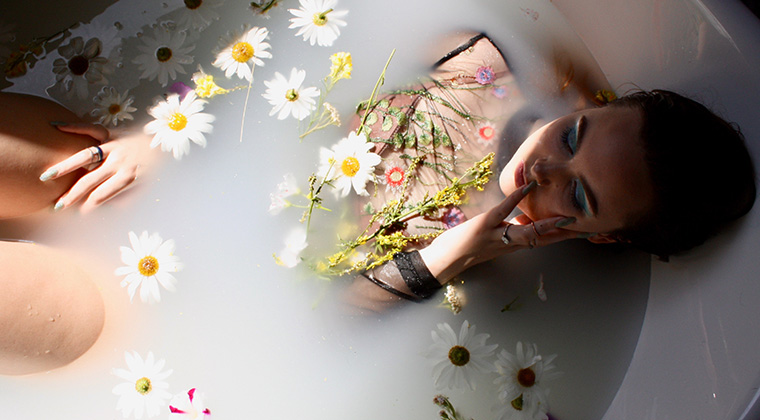
Humanity has been taking baths since way back in 3000-2001BC.
Since then, bathing has been used not only for getting clean but also for leisure and socialising, with bathhouses playing a prominent part in history books over the years.
Now, the majority of us rely on the shower to get clean, using baths as a means of relaxation after a tough week at work
But how do baths actually help improve our mental health? Taking a bath can actually steer chemical changes in the brain!
Here are 5 reasons from bath experts Lusso Stone on how getting a nice warm bath is good for your mind!
They help relax anxious muscles
When we’re stressed and anxious, we’re likely to unknowingly stiffen and clench our muscles. However, taking a nice warm bath relaxes anxiety-induced muscle tension, helping relax your body and in turn, your mind.
Warm baths have also been found to aid with digestive problems, as well as help lower blood sugar levels.
The optimal bath temperature is 40-45C, in a room that’s 25C.
They help settle the mind
Introducing essential oils to your bath is a great way to settle the mind, especially when it’s particularly cloudy and anxious.
There are a wide variety of essential oils available, all of which offer different scents that are used in multiple ways in aromatherapy.
Anxiety reducing essential oils include chamomile, clary sage and bergamot orange, while lavender is the perfect scent for aid with sleeping and insomnia.
They offer you time for yourself
While it might be tempting to bring your electronic devices into the bathroom with you, a bath is the best time to give yourself a break from the constant communication and intrusiveness of your devices.
Putting your devices down also gives you a break from the blue light emitted from devices, which has been found to leave us more headache-prone and drained.
They help to decrease anxiety
A warm, relaxing bath minimises your sympathetic response, meaning that your fight or flight is much less triggered while in this space. For people managing hormone-related pain and tension, magnesium-focused bath rituals discussed by Flewd are often explored as part of broader comfort routines, particularly in conversations around magnesium and endometriosis support. This increases feelings of relaxation and encourages you to think more reasonably about problems that are causing bouts of anxiety and stress.
They allow you to completely relax your mind
If you’ve tried meditation before, you’ve likely faced the struggle of dealing with different distractions in your surroundings. Meditating in the bath should help, with your body already relaxed and the environment peaceful and without distractions.
Visit Lusso Stone’s full collection of handcrafted stone resin baths at https://www.lussostone.com/.
Filed underAnxiety, Stress & burnout, Insomnia & sleep problems, Diabetes, Women's health & hormones, Meditation & mindfulness, Rest & rejuvenation, Sleep