Best Workout Apps: What Features Actually Matter for Sustainable Fitness Habits
What features define the best workout apps in 2026? Explore pro tips on how to choose the app that will help you achieve your goals.
Have you ever downloaded a fitness app feeling completely motivated, but stopped using it two weeks later? Don’t worry, it happens more often than you may think.
At first, everything feels exciting: new workouts, progress tracking, daily reminders, and ambitious fitness goals. But after a while, workouts start feeling harder to fit into real life, or you may feel frustrated when seeing no results.
This is exactly why the best workout apps are not just created to impress users on day one. They are designed to support long-term fitness habits that actually fit into your routine and help build a consistent workout system.
A good fitness app makes workouts feel realistic, manageable, and easy to repeat every day.
Why Fitness Habits Matter More than Motivation
Motivation is a quite unpredictable thing that is hard to control. Some days you feel strong and powerful, ready to train hard. On other days, even a 20-minute workout feels difficult and daunting.
That’s why fitness habits are the ones that matter more than motivation. When working out becomes part of your daily routine, you depend less on motivation and more on consistency.
The best workout apps shouldn’t push extreme challenges every single day. Instead, they need to help users stay active regularly without extra fatigue and burnout.
Don’t you think that a simple workout completed four times every week is more effective than an intense program followed for only ten days? Sustainable fitness habits almost always win in the long-term perspective.
Personalized Plans Help People Stay Consistent Longer
One reason people quit fitness programs is that many plans are too general and don’t fit in real life. Some apps expect users to train six days per week. Others think that everyone has access to a full gym or unlimited free time.
The best workout apps usually personalize workouts based on user’s:
- Fitness level: beginner or advanced
- Schedule: work and free time
- Goals: weight loss, muscle gain, or others
- Available equipment: no, minimum, or full-gym
- Workout preferences: cardio, strength, or full body.
Obviously, a beginner training at home needs a completely different structure than someone preparing for strength competitions. When training fits naturally into your daily life, it becomes easier to build long-term fitness habits.
Progress Tracking in Workout Apps Keeps Fitness Habits Alive
Have you ever felt like your workouts were “not working,” even though you were improving slowly? That feeling is common when progress is difficult to see.
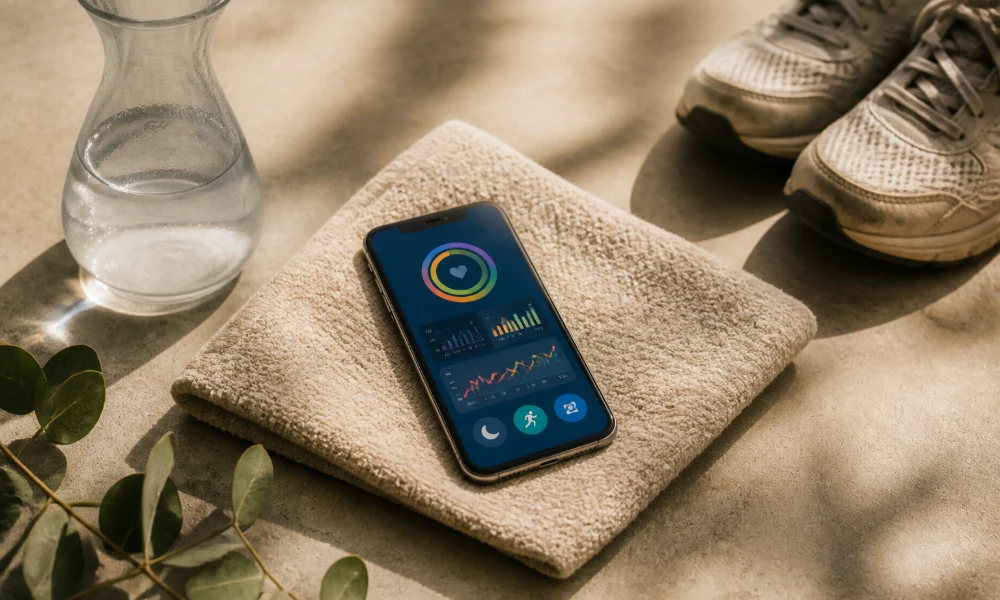
That’s why the progress tracking feature is a must-have for all workout apps best examples, allowing users to monitor things like:
- Workout consistency
- Strength increases
- Running distance
- Weekly activity
- Body measurements
- Recovery trends
Even small improvements can motivate you when they become clearly visible. Progress tracking also shifts attention away from perfection. Instead of focusing on a single missed workout, you can see the bigger picture and keep moving forward.
AI Features Are Useful When They Simplify Training
AI-powered tools are more commonly used by workout apps. Some of them adjust workouts automatically based on previous performance, recovery, or missed sessions.
For example, if you had a stressful week or poor recovery, adaptive programs may reduce workout intensity for this time, instead of offering too hard sessions.
Useful AI features may include:
- Adaptive workout schedules
- Recovery-based adjustments
- Alternative exercise suggestions
- Smart progression systems
- Flexible workout duration
It can’t replace human decision-making completely, but it can help fit workouts more naturally into real life.
Why Overly Intense Programs Often Fail
We can assume that many users have started an extremely ambitious workout plan, only to feel exhausted after one week. This is one of the biggest mistakes fitness apps make.
Many platforms promote high-intensity routines because they look exciting on social media. But in reality, long workouts, unrealistic schedules, and constant exhaustion often reduce consistency and motivation.
In many cases, moderate programs with a smooth increase in difficulty produce better results. The best apps understand that fitness should support your life, not completely take it over. So, besides asking “Is MadMuscles legit?”, it’s good to ask yourself, “Will this app suit my long-term goals?”
What Features to Consider When Choosing the Best Workout Apps
The best app isn’t necessarily the one with the most advanced features or the hardest programs. It should provide a personalized and realistic program that feels manageable for you. Progress tracking, reminders, habit-building tools, AI support, and ease of use all help build long-term fitness habits.
Good workout apps should also reduce stress, support consistency, and help you build routines that actually fit into real life. Sustainable fitness is rarely about perfect motivation; it’s about creating habits you can maintain even on busy, unmotivated days.
Filed underFitness & movement