Hands-Free Calm: How an Electric Baby Swing Supports Everyday Parenting
The early months of parenthood are filled with wonder, but they also demand constant attention. Between feeding schedules, short wake windows, and evening…
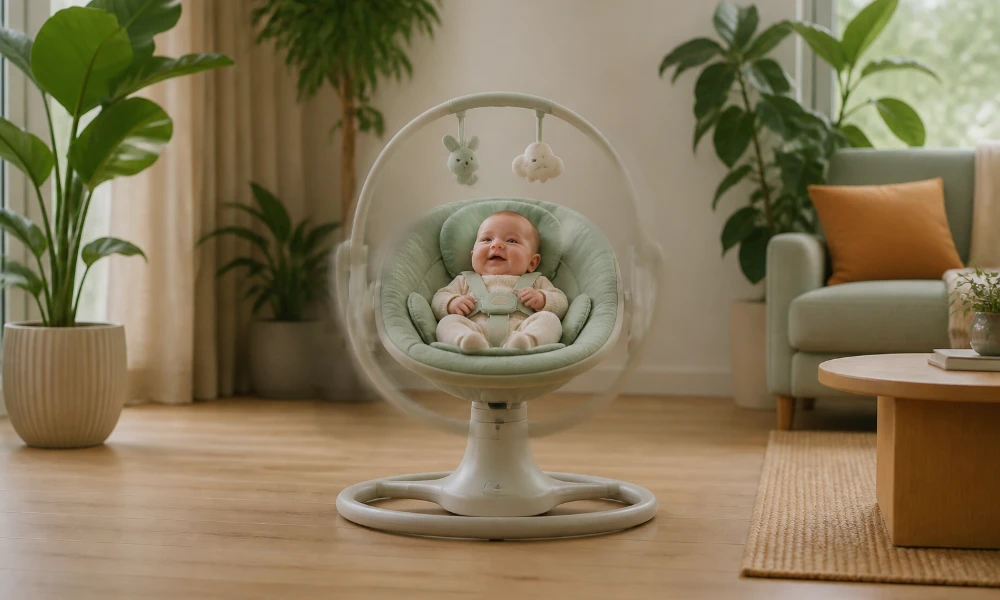
The early months of parenthood are filled with wonder, but they also demand constant attention. Between feeding schedules, short wake windows, and evening fussiness, many caregivers look for practical ways to soothe a restless infant without sacrificing every free hand. A thoughtfully designed electric baby swing can offer gentle, consistent motion that echoes the comfort of being held, giving parents brief, supervised windows to reset while their baby stays content nearby.
This guide explains why rhythmic motion helps, how to choose swing features responsibly, and how to build calm daytime rituals that fit real family life—not perfect routines.
Why Motion Helps Many Infants Settle
Before birth, babies experience nearly constant movement. After arrival, stillness can feel unfamiliar. Slow rocking, swaying, and other vestibular input often lower arousal and help an overstimulated baby transition toward quiet alertness. Motion is not a substitute for feeding, sleep, or comfort, but it can be a useful tool when fussiness peaks.
What to Look For in a Modern Swing
- Age and weight guidance: Follow manufacturer limits and stop using the seat once your baby can sit unassisted or exceeds the stated range.
- Secure harness: A five-point harness helps keep your baby positioned safely during supervised use.
- Adjustable speeds: Multiple motion settings make it easier to match your baby's preference as they grow.
- Supportive seating: Look for designs that support the head and neck for younger infants.
- Easy cleaning: Removable fabrics help with everyday spills and spit-up.
Safety Basics for Supervised Soothing
Swings are for awake, supervised calming—not for routine overnight sleep. If your baby falls asleep in a swing, move them to a firm, flat sleep surface as soon as practical. Keep the area clear of loose blankets and soft objects, and place the swing on a stable floor away from cords, stairs, and high-traffic zones.
Building a Simple Daytime Calm Ritual
Consistency helps babies anticipate what comes next. Try a short sequence: dim lights, soft white noise, a brief cuddle, then a supervised swing session. Keep sessions short—often 20 to 30 minutes—and stay within sight. Note which speed, sound, or time of day works best so partners can recreate the same approach.
When you want multidirectional motion that more closely resembles parental swaying, options like the Momcozy CocoSway 3D-Motion Electric Baby Swing can be useful for hands-free moments while you stay nearby.
Pair Motion With Other Soothing Strategies
- Check hunger, diaper, and temperature before assuming the baby needs motion.
- Use swaddling only when age-appropriate and hip-healthy.
- Offer skin-to-skin contact when you can—it regulates temperature and bonding.
- Keep evening environments calmer to reduce overstimulation before bed.
Caregiver Wellbeing Matters Too
Soothing is easier when caregivers are not depleted. Trade off with a partner when possible, take short resets when safe to do so, and remember that needing equipment support does not mean you are less connected—it means you are pacing a demanding season.
Frequently Asked Questions
Can an electric swing replace holding?
No. Holding and responsive caregiving remain essential. A swing is a supplemental tool for supervised calm, not a replacement for connection.
How long should a session last?
Short, supervised sessions are best. Follow product guidance and your baby's cues; end the session if they seem uncomfortable or distressed.
What if my baby dislikes the swing?
Preferences vary. Try a different speed, time of day, or pairing with white noise. Some babies prefer being held or a different seating style entirely.
Conclusion
An electric baby swing works best as part of a broader calming toolkit: feed first, soothe with contact, then use supervised motion when you need a hands-free pause. With the right safety habits and realistic expectations, it can help families navigate fussier stretches with a little more ease.
Beyond the basics, many parents discover that the most helpful approach is iterative. Track a few days of patterns—wake windows, last feed time, room brightness, and which motion setting seemed most effective. Those notes turn guesswork into a shared playbook for partners and caregivers. If evenings are hardest, prepare the swing area before the late-day rush so you are not assembling gear while holding a crying baby. Keep charging cables managed, wipe surfaces regularly, and store toys elsewhere so the calming zone stays simple. Remember that developmental leaps can temporarily increase fussiness; a strategy that worked last week may need a gentle tweak this week. Stay flexible, prioritize supervised use, and treat equipment as support—not a scorecard of parenting success. Over time, most families find a rhythm that blends holding, motion, and rest in a way that protects both infant comfort and caregiver stamina. That balance is the real goal: a calmer home where small tools make hard days a little more manageable without replacing the warmth of human connection. When in doubt, return to fundamentals—hunger, comfort, closeness—and then layer motion as a helper rather than a first resort.
Filed underSleep, Calm, Family & parenting