
How Mushroom Supplements Fit Into Modern Nutrition and Mindful Living
Functional mushrooms, species like Lion's Mane, Reishi, Chaga, Cordyceps, and Turkey Tail, have been used in traditional East Asian medicine for centuries.
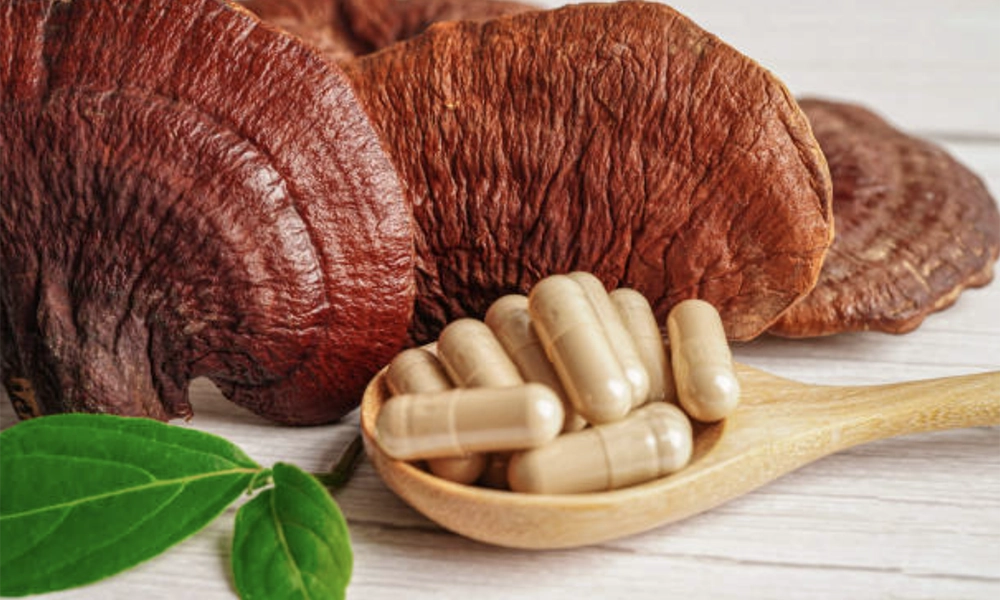
Remember when "wellness" meant a multivitamin and maybe a protein shake?
The modern wellness consumer is asking different questions now. Not just "what nutrients am I missing?" but "what does my body actually need to function well, to think clearly, manage stress, support immunity, and sustain energy without the crash?"
Mushroom supplements are increasingly part of the answer. And the research and cultural momentum behind them are both worth understanding.
Why Functional Mushrooms Are Having Their Moment
Functional mushrooms, species like Lion's Mane, Reishi, Chaga, Cordyceps, and Turkey Tail, have been used in traditional East Asian medicine for centuries. What's new isn't the mushrooms themselves, but the surge of modern research validating their benefits, and the growing consumer willingness to look beyond synthetic supplements toward more natural, whole-food-adjacent solutions.
The numbers reflect this shift clearly. According to Grand View Research's Functional Mushroom Market Report, the North American functional mushroom market is projected to grow at a CAGR of over 12% from 2024 to 2030, driven by strong consumer demand for natural wellness products. This is one of the fastest-growing supplement categories in the natural health space.
That growth isn't driven by hype alone. It's driven by real people finding real benefit, and by a body of research that continues to expand.
1. Lion’s Mane: Cognitive Clarity for a Demanding Lifestyle
Lion’s Mane has become one of the most popular functional mushrooms among professionals, students, and anyone managing high mental demands. Research suggests its active compounds may help support Nerve Growth Factor (NGF), a protein involved in maintaining and repairing healthy neurons.
Many users turn to Lion’s Mane for improved focus, clearer thinking, and reduced brain fog caused by stress, poor sleep, or constant overstimulation. Its effects are often described as gradual and cumulative, making it a natural fit for people who value consistent, mindful wellness habits over quick fixes.
Who it’s for: Anyone looking to support focus, mental clarity, and long-term cognitive health.
2. Reishi: Stress Support and Better Recovery
Reishi is a popular adaptogenic mushroom known for supporting stress resilience and relaxation. Its active compounds, including triterpenoids and beta-glucans, have been studied for their calming and immune-supporting properties.
Many users take Reishi to support better sleep, steadier energy, and a greater sense of balance during stressful periods. It’s especially popular as part of an evening wellness routine focused on rest and recovery.
Who it's for: Anyone managing chronic stress, seeking better sleep, or wanting to support immune function as part of a daily wellness practice.
3. Chaga and Turkey Tail: Immune Support
Chaga and Turkey Tail are widely used functional mushrooms known for their immune-supporting properties. Both are rich in beta-glucans, compounds studied for their role in helping regulate and support healthy immune function.
Turkey Tail, in particular, has been the focus of significant clinical research, while Chaga is valued for its antioxidant content and overall wellness support. Together, they’re often used to help maintain balanced immune resilience and recovery during periods of stress or seasonal change.
Who it's for: Anyone prioritizing immune resilience, especially during high-stress periods, seasonal transitions, or recovery from illness.
4. Cordyceps: Natural Energy and Endurance
Cordyceps is commonly used to support energy, stamina, and physical performance without the jittery effects associated with stimulants. Research suggests it may help improve how efficiently the body uses oxygen, supporting endurance and sustained daily energy.
Because it promotes steady energy rather than a quick spike, Cordyceps has become popular among athletes, active individuals, and anyone looking to reduce reliance on excessive caffeine.
Who it's for: Active individuals, anyone looking to reduce caffeine reliance, or people wanting more consistent daily energy.
Mushroom Supplements and Mindful Living: A Natural Match
There's a reason mushroom supplements resonate so strongly with people drawn to intentional, mindful wellness. They represent a fundamentally different approach to supplementation, and that difference runs deeper than just being "natural."
They reward consistency, not impulse
Mindful living is built on daily habits that compound over time, movement, sleep, stress management, and nutrition. Mushroom supplements operate the same way. They're not quick fixes. They build resilience gradually, which means they integrate naturally into a sustained practice rather than functioning as a reactive solution.
They address root function, not symptoms
Modern wellness is shifting away from symptom management toward systemic support. Functional mushrooms work at that systemic level, supporting cognitive health, immune regulation, stress response, and energy at their source. That approach resonates with people who want to feel genuinely better, not just temporarily patched up.
They're plant-derived and grounded in tradition
Centuries of use in traditional East Asian medicine provide a context of safety, intent, and cultural wisdom that appeals to people who think carefully about what they put in their body. For the mindful consumer, that lineage matters.
They fit a food-first philosophy
Many people approaching wellness mindfully prefer to get nutrients and support from whole-food sources rather than synthetic compounds. Functional mushrooms are as close to food as supplements get, derived from real fungi, often available in powder form that can be added to coffee, smoothies, or meals.
They make supplement choices more intentional
One of the principles of mindful wellness is deliberate selection, choosing fewer things that actually work rather than a shelf full of products taken out of habit or hope. With five key mushroom types each serving a distinct purpose, it's possible to choose specifically for your current needs: cognitive clarity, stress resilience, immune support, or energy. That selectivity feels aligned with a thoughtful approach.
For those looking to explore quality, well-sourced options across all five varieties, mushroom supplements from Fresh Thyme stock a carefully curated range. This includes their own organic superfood powders for Lion's Mane, Reishi, and Chaga, alongside trusted brands like Host Defense, Om Mushrooms, and Gaia Herbs. Available both in-store and online for easy integration into a regular wellness routine.
Who it's for: Anyone who wants their supplement choices to reflect the same intentionality they bring to their food, movement, and mental health practices.
How to Start Using Mushroom Supplements Effectively
The most common mistake with mushroom supplements is expecting immediate, dramatic results. These are not stimulants. They're adaptogens and functional compounds that work over time, building resilience, supporting systems, and improving baseline function gradually.
For best results:
- Choose one or two mushrooms that match your primary wellness goals, rather than taking everything at once
- Take them consistently — daily use over several weeks produces noticeably better outcomes than sporadic supplementation
- Look for quality indicators — fruiting body extracts (not just mycelium), specified beta-glucan content, and third-party testing
- Be patient — most users report notable effects after 4–8 weeks of consistent use
Conclusion
Modern life creates stressors that ancient medicine didn't encounter. But many of the tools ancient medicine developed, including functional mushrooms, turn out to be remarkably well-suited to addressing them.
Cognitive overload, chronic stress, immune fatigue, and energy depletion are the wellness challenges of our time. Mushroom supplements don't solve all of them. But they offer meaningful, natural, research-supported support for a body and mind operating under sustained modern demands.
And for the mindful wellness consumer, one who thinks carefully about what they consume and why, that's a genuinely appealing place to start.
Filed underStress & burnout, Herbal medicine, Sleep