How to Prevent Skiing Injuries: Expert Tips for Staying Safe on the Slopes
Planning a skiing holiday? Discover how to prevent common skiing injuries, protect your knees, prepare your body and stay safe on the slopes.
From snow-covered mountain peaks and fresh Alpine air to the exhilaration of gliding down a perfectly groomed piste, a skiing holiday offers a wonderful combination of adventure, exercise and time outdoors. But whether you're discovering the slopes for the first time or returning for another winter season, preparing your body and understanding how to reduce the risk of injury can make all the difference to your holiday.
There is something uniquely uplifting about a winter holiday in the mountains. The combination of dramatic scenery, physical activity and a welcome escape from everyday routines can be immensely rewarding, both physically and mentally. Skiing challenges our balance, coordination, cardiovascular fitness and muscular strength, while providing opportunities to spend long days in beautiful natural surroundings.
Yet behind the excitement of a skiing holiday lies a physical challenge that many travellers underestimate. Even those who regularly walk, cycle or visit the gym may discover that skiing places unfamiliar demands on their muscles and joints. Repeated turns, changes in terrain, unpredictable snow conditions and prolonged periods of exertion can leave the body working considerably harder than expected.
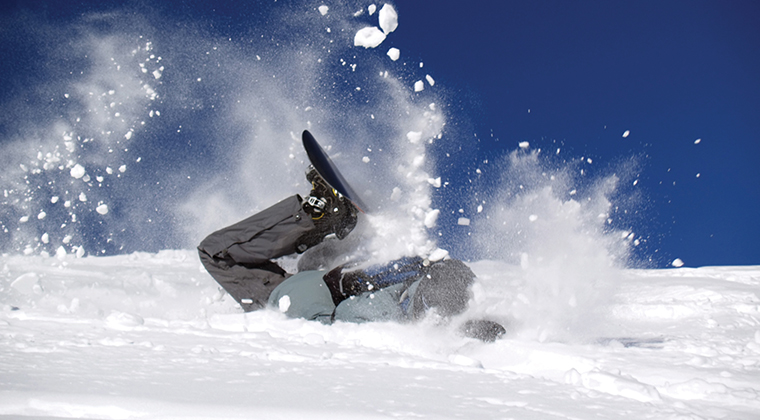
Although most people enjoy their winter holidays without serious injury, falls and collisions can result in sprains, fractures, ligament damage and head injuries. Knees are particularly vulnerable among skiers, while snowboarders commonly experience injuries to the wrists and upper limbs.
Fortunately, many of the factors that contribute to skiing injuries can be addressed through sensible preparation, suitable equipment, appropriate instruction and an awareness of personal limitations. The American Academy of Orthopaedic Surgeons recommends physical conditioning, properly fitted equipment, warm-ups and adequate rest as important elements of safer skiing.
Why are knee injuries so common in skiing?
Unlike many other recreational activities, skiing involves travelling at speed while the feet are secured to relatively long skis. Although this equipment allows us to glide and turn across snow, it can also create substantial twisting forces through the knees during certain falls.
The knee contains several structures that help provide stability, including ligaments and cartilage. Three injuries frequently associated with skiing are damage to the anterior cruciate ligament (ACL), medial collateral ligament (MCL) and meniscus.
The ACL plays an important role in stabilising the knee during movements involving rotation and changes of direction. An ACL injury may occur when the knee twists under load, sometimes producing a popping sensation followed by swelling or instability.
The MCL, located on the inner side of the knee, can be injured when excessive force pushes the knee inward. Meniscal injuries involve damage to the cartilage that helps distribute weight and absorb forces within the joint.
The severity of these injuries varies. Some respond well to rehabilitation and physiotherapy, while others may require specialist assessment or surgery.
A study published in the British Journal of Sports Medicine examined factors associated with ACL injuries among recreational skiers and identified associations with skiing ability, risk-taking behaviour and particular equipment characteristics. Its findings reinforce the importance of appropriate technique and equipment, although no single precaution can eliminate the risk entirely.
Nine ways to reduce your risk of injury on a skiing holiday
1. Prepare your body before travelling
One of the most useful things you can do before a skiing holiday is to improve your physical fitness. Skiing requires muscular endurance, strength, balance and coordination, particularly around the hips, thighs, knees and core.
The repeated bending and straightening involved in controlling skis can place considerable demands on the quadriceps, while the hamstrings, glutes and abdominal muscles help provide stability and control.
If possible, begin preparing several weeks before your holiday, gradually increasing your activity rather than attempting an intensive fitness programme immediately before departure.
Exercises such as squats, step-ups, controlled lunges and balance training can help develop the physical capabilities needed on the slopes. Cycling, brisk walking and swimming can also contribute to cardiovascular fitness.
The International Ski and Snowboard Federation recognises strength, coordination and physical preparedness as important components of snow-sports injury prevention.
2. Make sure your ski equipment is fitted correctly
Incorrectly fitted or poorly maintained equipment can increase the likelihood of problems on the slopes. Ski boots should provide appropriate support without causing excessive pressure, while skis should be selected according to your height, weight, experience and intended terrain.
For alpine skiing, particular attention should be paid to bindings, which are designed to retain the boot during normal skiing and release under certain forces.
Bindings that are too tight may fail to release during a fall, potentially increasing the load transmitted through the knee. Bindings that release too easily can also cause unexpected falls.
Binding settings should therefore be checked and adjusted by a qualified ski technician, taking account of factors including weight, height, age, boot-sole length and ability. They should not simply be tightened to prevent accidental release.
Even experienced skiers should have their equipment checked regularly, particularly when using hired equipment or returning to the slopes after a long break.
3. Invest in lessons, whatever your experience
Ski lessons are not just for beginners. Good technique can make skiing more enjoyable, help you navigate different snow conditions and improve your ability to respond to unexpected situations.
A qualified instructor can identify habits that may place unnecessary strain on the body, explain how to maintain control on steeper terrain and teach strategies for managing speed.
For beginners, learning how to stop, turn and use lifts safely is especially important. More experienced skiers may benefit from refresher lessons at the beginning of their holiday, particularly if they have not skied for several years.
Confidence should develop alongside ability. Attempting increasingly difficult pistes before mastering fundamental skills can expose skiers to situations that are harder to control.
4. Warm up before your first run
Cold muscles and joints may feel stiff, particularly after travelling on a ski lift or spending time standing in low temperatures.
Beginning the day with a few minutes of gentle movement can help prepare the body for exercise. Walking, marching on the spot, controlled leg swings and shallow squats can gradually increase circulation and prepare muscles for activity.
Your first few runs should also be treated as an opportunity to settle into the conditions rather than immediately attempting the most challenging terrain.
A warm-up cannot guarantee protection against injury, but it is a sensible part of preparing for physical activity.
5. Recognise when fatigue is affecting your skiing
One of the easiest mistakes to make on a skiing holiday is continuing long after the body has begun to tire. With a lift pass to make the most of and an irresistible mountain landscape, the temptation to squeeze in another run can be difficult to resist.
However, fatigue can affect muscular control, coordination, attention and reaction time. As the legs become tired, maintaining technique may become increasingly difficult, particularly on demanding terrain.
The American Academy of Orthopaedic Surgeons highlights the importance of stopping when tired or in pain, noting that injuries can occur towards the end of the day when skiers attempt one final run.
Regular breaks, adequate food, hydration and sufficient sleep all contribute to maintaining physical performance. Taking a shorter day on the slopes may sometimes be the most sensible decision, particularly for beginners or those returning after a period of inactivity.
6. Choose pistes that match your ability
Ski resorts offer a variety of terrain, from gentle nursery slopes to challenging steep descents. Understanding piste classifications and choosing routes appropriate to your experience is an important aspect of mountain safety.
In many European resorts, blue runs indicate easier terrain, red runs are more demanding and black runs are generally the most challenging. However, classifications can differ between countries and resorts, so they should not be treated as a precise or universal measure of difficulty.
Snow conditions can also transform the experience of a familiar slope. A relatively gentle piste may become considerably more difficult when covered in ice, heavy snow or deep moguls.
Check the weather forecast, piste information and local guidance before setting out. Be prepared to change your plans if conditions deteriorate, visibility becomes poor or a route feels beyond your ability.
7. Wear a properly fitted ski helmet
Head injuries are among the more serious risks associated with skiing and snowboarding. Wearing a helmet designed specifically for snow sports is an important precaution.
A helmet should fit securely, be comfortable and comply with an appropriate safety standard, such as EN 1077. It should be replaced following a significant impact, in accordance with the manufacturer's instructions.
Although helmets can reduce the risk and severity of certain head injuries, they cannot prevent every concussion or eliminate the dangers of high-speed collisions.
Remember that helmet requirements vary between destinations, particularly for children. Some travel insurance policies may also impose specific protective-equipment conditions.
The UK government's winter sports safety guidance recommends checking resort rules, using suitable protective equipment and ensuring that insurance covers the activities you intend to undertake.
8. Respect other skiers and the mountain environment
A busy ski slope requires awareness of the people around you. Collisions can occur when skiers travel too quickly for the conditions, stop in dangerous positions or fail to anticipate the movements of others.
The International Ski and Snowboard Federation's rules of conduct provide a useful framework for responsible behaviour on the slopes.
These include maintaining control of speed, respecting those ahead, overtaking at a safe distance and avoiding stopping in narrow or poorly visible areas.
It is also important to remain on designated pistes unless you have the necessary skills, equipment and local guidance for off-piste skiing. Avalanche risk, hidden obstacles and rapidly changing weather can make unmarked mountain terrain particularly hazardous.
9. Don't continue skiing through an injury
A fall can be embarrassing, particularly when it happens in front of friends or family, and it may be tempting to stand up and continue as though nothing has happened.
However, pain, swelling, instability or difficulty bearing weight can indicate a more significant injury.
Continuing to ski after damaging a ligament, bone or joint may worsen the original injury or contribute to further accidents.
If you experience significant pain or suspect an injury, stop skiing and seek appropriate assistance. Resort ski patrols can help arrange assessment and safe transport from the mountain when necessary.
A simple pre-ski fitness routine
For those preparing for a skiing holiday, developing strength and balance beforehand may make the experience more comfortable and enjoyable.
Five exercises to help prepare for the slopes
Try these two or three times per week, allowing recovery between sessions. Begin at a comfortable level and increase gradually.

Squats
2 sets of 8–12 repetitions. Build strength in the thighs and glutes while keeping movements slow and controlled.
Step-ups
2 sets of 8–10 per leg. Use a stable, low step to develop leg strength and control.

Single-leg balance
Hold for 15–30 seconds on each leg, with support nearby. Develop balance and awareness of body position.

Glute bridges
2 sets of 10–12 repetitions. Strengthen the muscles around the hips and pelvis.

Plank holds
Begin with 10–20 seconds, adapting the exercise to your ability. Develop trunk strength and stability.
These are general conditioning exercises rather than a clinically validated ski-injury prevention programme. Anyone with an existing injury, joint problem or health condition should seek appropriate advice before beginning.
What should you do if you injure yourself while skiing?
Knowing how to respond to an injury can help prevent further harm and ensure that appropriate treatment is available when needed.
If you fall and experience significant pain, swelling or difficulty moving, stop skiing and move to a safe location if you can do so without worsening the injury. If you cannot move safely, alert ski patrol and avoid attempting to reach the bottom of the mountain without assistance.
For a suspected minor sprain or strain, initial care may include protecting the injured area, resting from aggravating activity, applying a cold pack wrapped in a towel for up to 20 minutes, using appropriate support and elevating the affected limb where practical.
However, a knee that becomes swollen or unstable after a fall should be assessed by a healthcare professional. Seek urgent medical attention if you cannot bear weight, suspect a fracture, notice a visible deformity or experience numbness or circulatory problems.
Head injuries require particular caution. A concussion can occur without losing consciousness, and symptoms such as headache, dizziness, nausea, confusion or memory problems may develop after an impact.
Anyone with a suspected concussion should stop skiing immediately, avoid returning to the slopes that day and receive appropriate medical assessment. Severe symptoms, including repeated vomiting, seizures, worsening confusion or difficulty remaining conscious, require emergency medical attention.
Don't forget winter sports travel insurance
Even experienced skiers can suffer accidents, and medical treatment or mountain rescue services abroad may be expensive.
Before travelling, check that your insurance specifically covers skiing or snowboarding and the activities you intend to undertake. Standard policies do not always include winter sports, off-piste skiing or specialist rescue costs.
It is also important to understand the conditions attached to your policy, including helmet requirements, equipment cover and exclusions involving alcohol or particular activities.
For UK travellers visiting European destinations, a valid UK Global Health Insurance Card (GHIC) may provide access to necessary state healthcare in participating countries under applicable arrangements. However, it does not replace travel insurance and generally will not cover mountain rescue or repatriation to the UK.
Enjoying the mountains with confidence
A skiing holiday should be about much more than improving technique or completing increasingly difficult runs. It is an opportunity to experience the mountains, enjoy physical activity, discover new places and spend meaningful time with friends and family.
Being prepared does not mean approaching the slopes with unnecessary anxiety. Instead, understanding the demands of skiing allows us to make informed decisions that can improve both our enjoyment and our safety.
Taking time to strengthen the body before travelling, investing in suitable equipment, seeking professional instruction and recognising when to rest can all contribute to a more rewarding mountain experience.
And perhaps the most important lesson is that skiing should never become a competition to see how far we can push ourselves. Whether you are learning your first turns on a gentle nursery slope or enjoying a familiar red run surrounded by spectacular Alpine scenery, the greatest satisfaction often comes from finding your own rhythm and appreciating the experience.
With sensible preparation and respect for the mountain environment, you can focus on what makes winter sports so memorable: fresh air, movement, adventure and the simple pleasure of being outdoors.
Research and further reading
American Academy of Orthopaedic Surgeons – Skiing Injury Prevention — guidance on fitness, warm-ups, equipment and reducing injury risks.
International Ski and Snowboard Federation – Injury Prevention and Training — specialist information about physical preparation and snow-sports training.
British Journal of Sports Medicine – ACL Injury Risk in Recreational Skiers — research into equipment-related and individual risk factors associated with knee injuries.
UK Government – Winter Sports Safety Advice — practical guidance for British holidaymakers.
NHS – Head Injury and Concussion — signs and symptoms requiring medical assessment.
NHS – Sprains and Strains — guidance on managing common soft-tissue injuries.
Medical disclaimer: This article provides general educational information and does not replace personalised medical advice. Anyone with an existing injury, joint condition or other health concern should seek guidance from an appropriately qualified healthcare professional before undertaking skiing or a new exercise programme. Suspected fractures, significant joint injuries and head injuries require prompt medical assessment.
Filed underInjury & recovery, Physiotherapy, Fitness & movement, Adventure

About the author
Rachel BransonFounder & Editor in Chief
With over 30 years in publishing and a background in Naturopathic Medicine, she has made it her mission to challenge mainstream health narratives and empower people to take control of their wellbeing. Now expanding her vision across the Atlantic, Rachel is bridging UK and US audiences with inspiring stories, trusted insights, and pioneering partnerships that align with a new era of health innovation.