How to Reduce the Risk of Developing Gum Disease
Learn how to reduce the risk of developing gum disease with proper oral hygiene, regular dental visits, healthy lifestyle habits, and early preventive care.
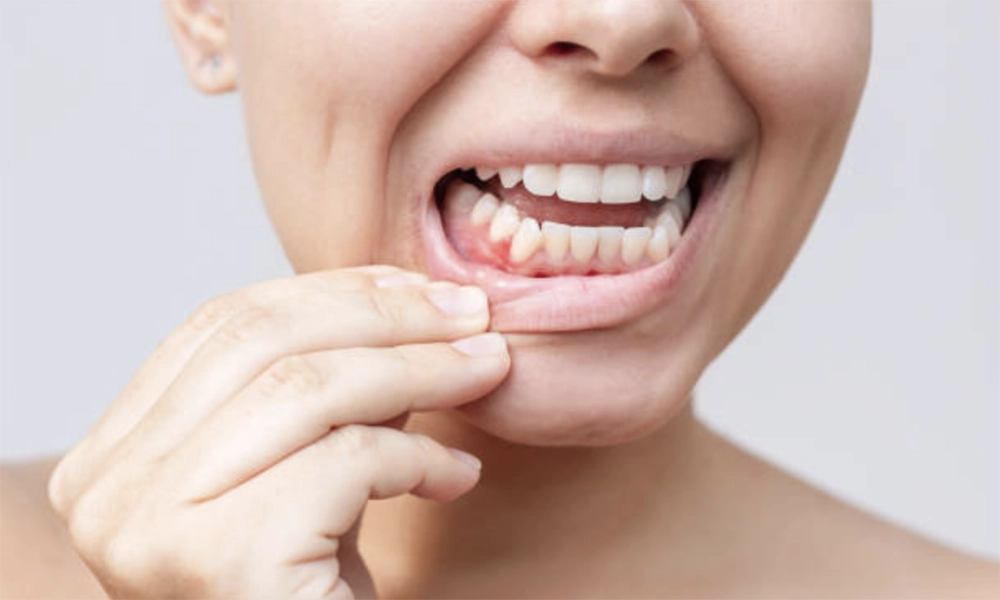
Gum disease is one of the most common oral health problems affecting people of all ages. It begins when plaque and bacteria build up around the teeth and gums, leading to inflammation and irritation. In its early stage, known as gingivitis, gum disease can often be reversed. However, if left untreated, it can progress into periodontitis, a more serious condition that may result in gum recession, bone loss, and even tooth loss.
The good news is that gum disease is largely preventable. By maintaining proper oral hygiene and making healthy lifestyle choices, individuals can significantly reduce their risk of developing gum-related problems. Understanding the causes of gum disease and taking proactive steps to protect oral health can help preserve a healthy smile for years to come.
Maintain a Consistent Oral Hygiene Routine
The foundation of healthy gums starts with a strong daily oral hygiene routine. Brushing your teeth at least twice a day helps remove plaque, which is the primary cause of gum disease. Using a soft-bristled toothbrush and fluoride toothpaste allows you to clean your teeth effectively without damaging the gum tissue.
Flossing is equally important because it removes food particles and plaque from between the teeth where a toothbrush cannot reach. Many cases of gum disease begin in these hard-to-clean areas. Daily flossing helps prevent bacteria from accumulating along the gum line and reduces the risk of inflammation.
In addition to brushing and flossing, using an antibacterial mouthwash can help reduce harmful bacteria in the mouth. A complete oral care routine creates a healthier environment and lowers the chances of gum disease developing over time.
Schedule Regular Dental Checkups
Regular dental visits play a critical role in preventing gum disease. Even with excellent home care, plaque can harden into tartar, which cannot be removed by brushing or flossing alone. Professional dental cleanings remove tartar buildup and help maintain healthy gums.
Routine checkups also allow dental professionals to identify early signs of gum disease before they become serious. Early intervention can prevent the condition from progressing and reduce the need for more extensive treatments later.
Choosing the Best Dental Clinic in Milton for routine examinations and cleanings can help ensure that potential issues are detected and addressed promptly. Preventive dental care remains one of the most effective ways to protect gum health and maintain a healthy smile.
Pay Attention to Your Diet
What you eat can have a significant impact on your gum health. A balanced diet provides the nutrients needed to support healthy gums and strengthen the body's natural defenses against infection. Foods rich in vitamins and minerals, particularly vitamin C, help maintain healthy gum tissue and support healing.
Reducing sugary foods and beverages is equally important. Sugar feeds harmful bacteria in the mouth, increasing plaque production and the risk of gum disease. Frequent snacking on sugary items can create an environment where bacteria thrive and cause inflammation.
Including crunchy fruits and vegetables in your diet can also benefit oral health. Foods such as apples, carrots, and celery help stimulate saliva production, which naturally washes away food particles and bacteria. A nutritious diet supports both oral and overall health.
Avoid Tobacco Products
Smoking and tobacco use are major risk factors for gum disease. Tobacco weakens the immune system, making it harder for the body to fight infections and heal damaged tissues. Smokers are more likely to develop gum disease and often experience more severe symptoms than non-smokers.
In addition, tobacco use can mask some warning signs of gum disease, such as bleeding gums. As a result, many people do not realize they have a problem until significant damage has occurred. Smoking also increases the risk of tooth loss and can negatively affect the success of dental treatments.
Quitting tobacco products can greatly improve gum health and reduce the likelihood of developing serious periodontal disease. The benefits extend beyond oral health and contribute to improved overall well-being.
Recognize the Early Signs of Gum Disease
Many people overlook the early symptoms of gum disease because they may seem minor at first. However, recognizing these warning signs can help prevent the condition from progressing. Common symptoms include red, swollen, or tender gums, bleeding during brushing or flossing, persistent bad breath, and gum recession.
If you notice any of these symptoms, it is important to seek professional dental care as soon as possible. Early treatment can often reverse gingivitis and prevent long-term damage. Ignoring symptoms may allow the disease to advance, leading to more complex and costly treatments.
Being aware of changes in your oral health enables you to take action quickly and protect your gums before serious complications develop.
Manage Health Conditions and Stress
Certain medical conditions can increase the risk of gum disease. Diabetes, for example, can make it more difficult for the body to fight infections, including those affecting the gums. Individuals with diabetes should pay close attention to their oral hygiene and maintain regular dental visits.
Stress can also affect gum health. High stress levels may weaken the immune system and make it harder for the body to respond to bacterial infections. Additionally, stressed individuals may be more likely to neglect their oral hygiene routines or engage in habits such as teeth grinding.
Managing underlying health conditions and adopting healthy stress-management techniques can support stronger gum health and reduce the likelihood of developing periodontal disease.
Stay Hydrated and Encourage Saliva Production
Saliva plays an important role in maintaining oral health. It helps wash away food particles, neutralize acids, and control bacterial growth within the mouth. A dry mouth can create an environment where bacteria multiply more easily, increasing the risk of gum disease.
Drinking plenty of water throughout the day helps keep the mouth hydrated and supports healthy saliva production. Chewing sugar-free gum can also stimulate saliva flow, especially after meals when brushing is not immediately possible.
Maintaining proper hydration is a simple yet effective way to support healthy gums and reduce the risk of oral health problems.
Conclusion
Reducing the risk of developing gum disease requires a combination of good oral hygiene, healthy lifestyle choices, and regular professional dental care. Brushing, flossing, maintaining a balanced diet, avoiding tobacco, and attending routine dental appointments all contribute to healthier gums and stronger teeth.
By taking preventive measures and addressing early symptoms promptly, individuals can protect their oral health and avoid the serious consequences associated with advanced gum disease. Consistent care and attention to gum health can help preserve a healthy, confident smile for many years.
Filed underStress & burnout, Diabetes, Dental