The Complete Guide to Dental Veneers: What You Need to Know
Can a small change to your teeth make a big difference in your smile? Dental veneers can cover certain stains, chips, gaps, and shape concerns with thin…
Can a small change to your teeth make a big difference in your smile? Dental veneers can cover certain stains, chips, gaps, and shape concerns with thin shells placed over the front of teeth. They are a popular cosmetic dental treatment, but they are not right for everyone.
Knowing how veneers work, what the process involves, and how to care for them can help you make a choice. This guide explains the benefits, limits, treatment steps, costs, and care needs. It will help you understand what to expect and feel prepared before talking with your dentist about your smile goals.
Understanding Dental Veneers
Dental veneers are thin coverings made to fit over the front of a tooth. They can improve the look of teeth that are stained, worn, chipped, uneven, or slightly spaced apart. Most veneers are made from porcelain or a tooth-colored resin material.
Porcelain veneers are known for their natural look and strong surface, while composite veneers can often be placed with less tooth removal. Your dentist will check your teeth, gums, bite, and goals before suggesting a type. Good oral health is important because veneers do not treat decay or gum disease.
What Veneers Can Change
Veneers can help create a more even smile by changing the color, shape, size, or length of selected teeth. They may also make small gaps or minor uneven areas less noticeable. Because veneers are made to match your smile, your dentist can plan a result that looks natural rather than overly bright or uniform.
Veneers are mainly a cosmetic treatment, so they may not solve every dental concern. Teeth with large cracks, severe damage, weak enamel, or major bite problems may need another treatment first. A careful dental exam helps show whether veneers are a safe and useful option for you.
How the Veneer Procedure Works
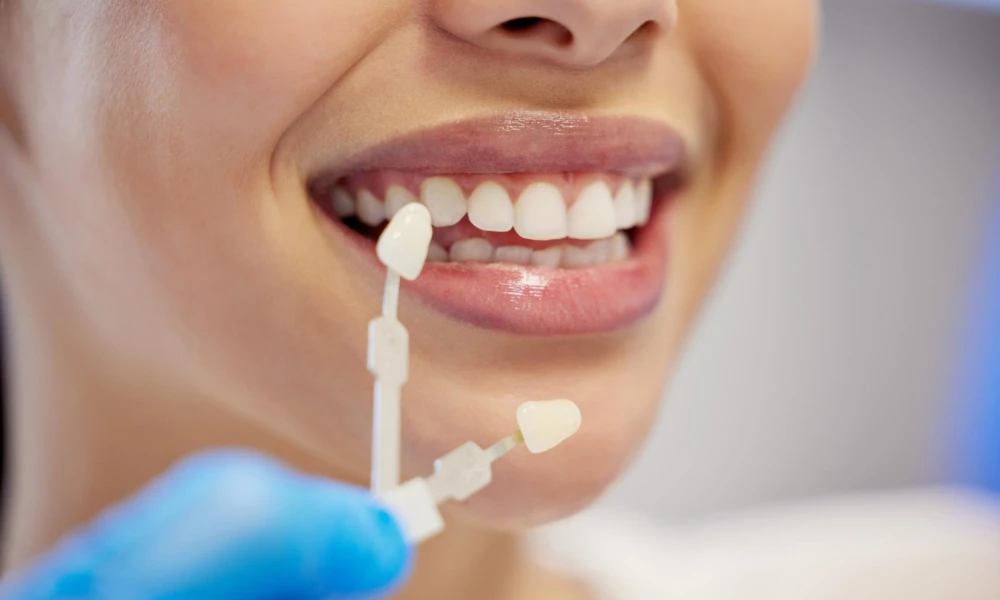
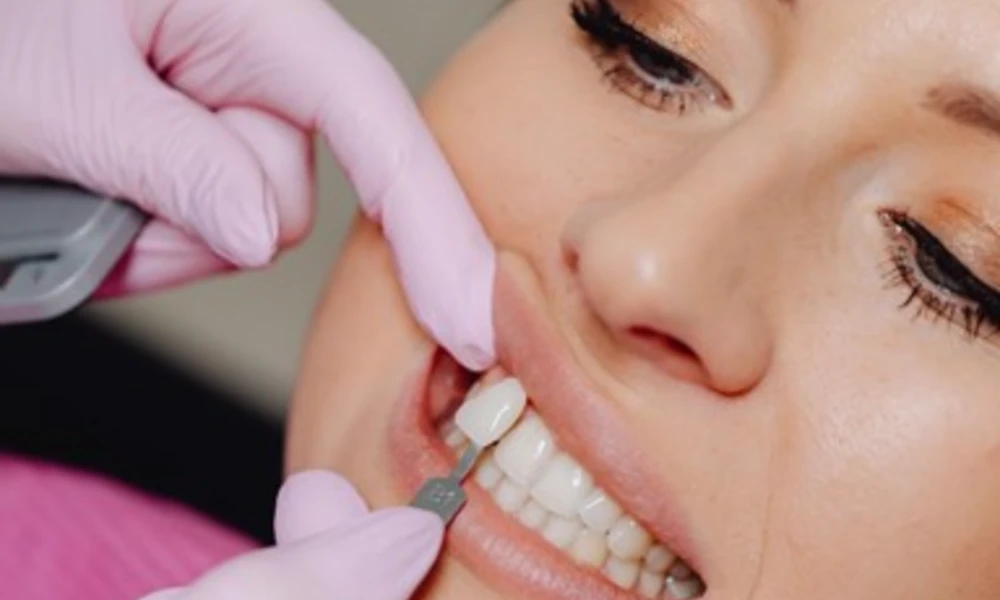
The veneer process usually starts with a dental exam and a talk about your goals. Your dentist may take images, check your bite, choose a shade, and plan the shape of your new teeth. For some types of veneers, a small amount of enamel is removed so the covering can fit well.
The next steps depend on the material and treatment plan. Your dentist may make a model or temporary veneers while the final ones are prepared, then bond the finished veneers to your teeth. Once they are placed, the dentist checks the fit, bite, shape, and comfort before making any needed adjustments.
Choosing the Right Veneers
Choosing between porcelain and composite veneers depends on your needs, budget, and dental health. Porcelain often costs more but may resist stains well and last for many years with proper care. Composite material can be less costly and may be easier to repair if it becomes damaged.
Your dentist can explain the expected results and limits of each choice. It is also helpful to ask how much enamel must be removed and whether the treatment can be reversed. You can learn more about the treatment and what to expect by visiting https://www.hymasfamilydental.com/our-services/cosmetic-dentistry/dental-veneers/.
What Veneers May Cost
The cost of veneers can vary based on the material, number of teeth, dentist, and location. Porcelain veneers usually cost more than composite veneers because they require different materials and lab work. Your dentist can give you a clear estimate after checking your teeth and creating a treatment plan.
Dental insurance often does not cover veneers when they are done only to improve appearance. Some plans may have different rules when treatment is linked to tooth damage or another dental need. Ask about the full price, payment choices, and possible future repair or replacement costs before treatment begins.
Caring for Your New Smile
Good daily care can help veneers stay clean and protect the teeth under them. Brush twice a day with a soft toothbrush, clean between your teeth each day, and keep regular dental visits. These habits also help protect your gums and natural teeth, which are still important after veneers are placed.
Veneers are strong, but they are not unbreakable. Avoid using your teeth to open packages, and talk with your dentist if you grind or clench your teeth at night. A night guard may help protect veneers from extra pressure when it is recommended for your needs.
Knowing the Benefits and Limits
One benefit of veneers is that they can create visible changes without braces or major tooth replacement work. They can improve several cosmetic concerns at the same time and may give you a more balanced smile. With good care, some veneers can last many years, although their life span varies by material and daily habits.
There are also limits to consider before choosing treatment. Veneers may need repair or replacement over time, and some procedures involve removing a small amount of enamel that cannot grow back. Talking openly with your dentist about risks, care, and expected results can help you decide if veneers fit your needs.
Preparing for Your Veneer Treatment
A consultation helps you know what will happen before treatment begins at the office. Ask how many teeth may need veneers, the desired shade, and how your bite may affect results during treatment. You can also ask what is possible for your smile and discuss any concerns about comfort, appearance, or daily care.
Your dentist may recommend treating cavities or gum problems before placing veneers. Healthy teeth give veneers a better base and lower later risks and problems. Sharing your history and habits can help your dentist plan treatment, especially if you grind your teeth or have dental concerns that could affect your veneers.
Making an Informed Veneer Choice
Dental veneers can improve the look of teeth with stains, chips, gaps, or shape concerns. Before treatment, a dental exam can help confirm that your teeth and gums are healthy enough for veneers. Your dentist can explain the material, cost, care, and long-term needs that apply to your smile. Ask questions before making a choice, especially about enamel removal, repairs, and expected results, because these details can help you set clear goals and feel more confident about your treatment and care.
Did this guide help you? Browse the rest of this section for more advice on a variety of topics.
Filed underDental, Cosmetic & aesthetics