
Is conjunctivitis a covid symptom? Take 3 steps to reduce risk
Signalling the immune system is under stress, conjunctivitis could be a Covid symptom. Many of us will have woken up with that gritty feeling in one or both…
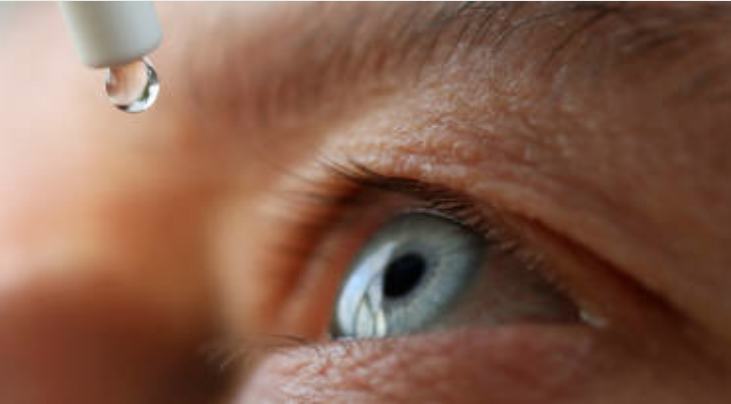
Signalling the immune system is under stress, conjunctivitis could be a Covid symptom
Many of us will have woken up with that gritty feeling in one or both of our eyes and gone to check in the mirror only to find an especially bleary-eyed version of ourselves.
Sometimes known as pink-eye, the literal meaning of conjunctivitis is inflammation of the conjunctiva, which is the membrane on the inside of the eyelid. It happens when the blood vessels of the sclera (the white of the eye) become dilated, giving us that red- eyed appearance. The conjunctiva also produces too much of the mucus and tears it’s meant to secrete, resulting in discharge.
Tell-tale signs you may be suffering from pink-eye
- The white of your eye(s) look(s) red or pink
- Your eyelids are inflamed and sore
- Your eye(s) feels gritty and/or itchy
- There’s a white or yellow sticky discharge coming from your eye(s)
- Your eyelids are stuck together in the morning
- There’s discharge on your eyelashes
Could it be Covid?
Some recent case studies3 have suggested that conjunctivitis may be a symptom of Covid-19. Researchers at the University of Alberta in Canada published one example in the Canadian Journal of Ophthalmology4. They studied the case of a 29-year- old, otherwise healthy, woman who presented for treatment at a local hospital in March 2020. While she had minimal respiratory symptoms, she was suffering from a severe case of conjunctivitis, which was unresponsive to treatment. She had also recently returned from a trip to Asia, which prompted doctors to test her for Covid-19; the test came back positive. As a result, people presenting with conjunctivitis are now treated as potential Covid patients, and eye healthcare practitioners are strongly advised to wear PPE when performing eye examinations. In another example in the European Journal of Ophthalmology5, an emergency healthcare worker tested positive for the virus, again with conjunctivitis being the only symptom. However, while nose and throat swabs returned positive results for novel coronavirus, the eye swab was negative, so it wasn’t possible to say whether coronavirus can be transmitted through eye fluids.Soothe the symptoms
“If you do contract conjunctivitis, it’s important to treat it quickly”, advises Dr Nisa Aslam. “Wipe away any crust from each eye using a separate, clean cotton wool pad dipped in cooled boiled water. Mild infections can be treated using Golden Eye® Eye Drops or non-antibiotic Golden Eye® Eye Ointment. Containing a type of antiseptic called ‘dimidines’, these products help to stop bacteria growing and multiplying so your immune system can get to work. “If you’re using either product alone, it should be applied four times a day. However, if you choose to use the ointment and eye drops in combination, you can use the drops four times a day and the ointment once a day at bedtime. Golden Eye® Antibiotic Eye Ointment containing chloramphenicol may be used in cases of acute bacterial conjunctivitis – but don’t forget the importance of good hygiene.”Back to School…
Conjunctivitis or red-eye is common in young children as well as adults. The bad news is, it is highly contagious, and breakouts can sweep thorough nurseries, preschools, infant schools and playgrounds. Conjunctivitis can be caused by bacteria or viruses responsible for colds and infections, such as those causing ear infections which are also common in children. If a little one shows signs of a red-eye, it is important to speak initially to a pharmacist. If the pharmacist considers the red eye is more than a superficial infection, he or she will refer to the GP, particularly in very young children. Both Golden Eye® Eye Drops or non-antibiotic Golden Eye® Eye Ointment can be used to treat superficial eye infections in very small children as well as older children and adults, and is available from the pharmacy. Antibiotic Golden Eye® Eye Ointment is suitable for use in children of 2 years and over. 3 top tips to maximise your immune defenses Whether it’s a cold, flu or you’re feeling run down for some other reason, they are all signs that your immune system is under stress and in need of TLC. And there are plenty of things you can do to nurture yourself.- Slow down and reduce stress: while some stress in life is unavoidable and can actually be useful, an ongoing heightened state of alert has been shown to be detrimental to our immune response6. It’s not always easy, particularly with the past year we’ve had, but making time – even 20-30 minutes a day – to switch off in whatever way works for you (reading a book, taking a yoga class, meditating, going for a walk), might just make all the difference to your overall wellbeing.
- Prioritise your sleep: practicing good sleep hygiene to maximise the quality and quantity of sleep you get is important for maintaining a healthy immune system7. Try switching off all devices at least an hour before bed to reduce the effect of the blue light from the screen on your melatonin (a hormone needed for a good night’s rest) levels. It’s also worth minimising caffeine intake in the latter part of the day and avoiding strenuous or stressful activities close to bedtime.
- Focus on 5-A-Day: Dietitian, Dr Carrie Ruxton, says: “Make sure your body is getting all the nutrients it needs to prime your immune system. With so much conflicting advice around, it’s worth starting with the official Eatwell Guide8 which shows which types of foods make up an ideal diet. If you achieve five different portions of vegetables and fruit each day, you’ll be off to a flying start. Balance your diet with healthy fats like rapeseed oil, quality sources of lean protein like lean red meat, chicken breast or oily fish, and slowly digested carbs, like brown rice or sweet potato, to ensure you’re getting essential vitamins and minerals for health.
- DO wash your hands regularly with warm soapy water
- DO wash pillowcases and face cloths in hot water and detergent
- DON’T share towels and face cloths
- DON’T rub your eyes
- DON’T wear contact lenses until your eyes are back to good health
- DO ask your pharmacist for self-care solutions to treat the symptoms with an over-the-counter pharmacy product. Golden Eye® Eye Drops or Eye Ointment tick the boxes for me as they help to stop bacteria growing and multiplying.
Filed underStress & burnout, Eye health, Women's health & hormones, Nutritional therapy, Yoga & Pilates, Greece, Sleep, Family & parenting