Rediscovering the Alpine Holiday in Méribel
For generations, the classic British ski holiday was measured in miles skied, lifts conquered and how early you could make it onto the mountain. But Alpine…
For generations, the classic British ski holiday was measured in miles skied, lifts conquered and how early you could make it onto the mountain. But Alpine destinations are changing. As sustainability, gastronomy, wellness and a more thoughtful kind of luxury reshape the winter escape, Rachel Branson returns to the slopes in Méribel and discovers that perhaps the best way to enjoy the mountains is no longer to race through them.
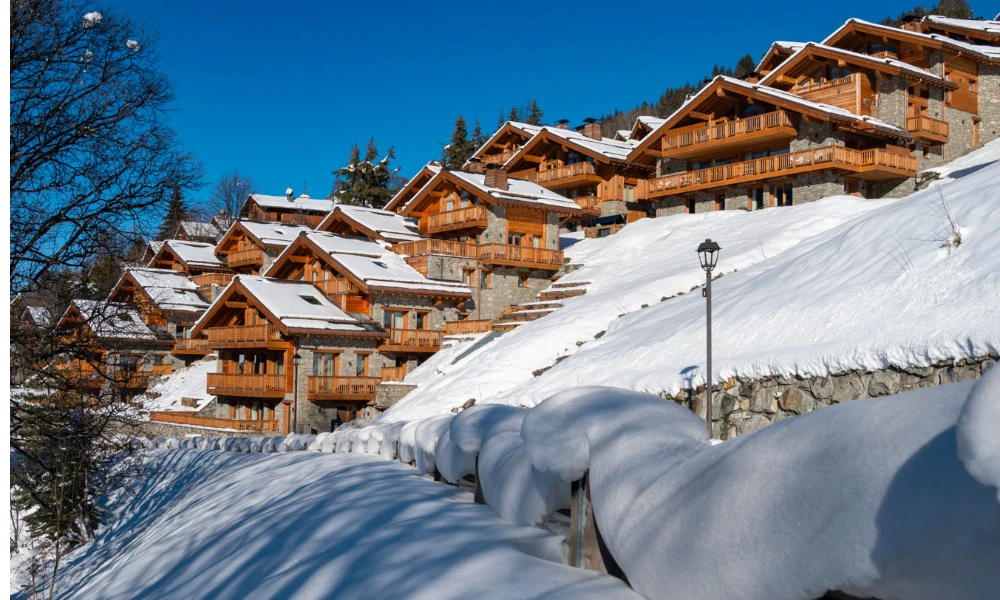
Falcon Apartments
I have been skiing since I was ten years old, and for much of my life a ski holiday followed a fairly predictable formula. As a British family heading to the mountains, we were there to ski, and that meant getting up at what felt like the crack of dawn, pulling on layers of thermals, forcing reluctant feet into unforgiving ski boots and making our way to the first lift of the morning.
Once we were up, we stayed up. Sunshine, snowstorm or blizzard made little difference. Flat light was something to be endured, ice was a challenge to be conquered and afternoon slush simply meant working a little harder. We skied blues, reds and blacks, ate relatively quickly and generally considered it something of an achievement to be among the last people coming off the mountain. By dinner, we were exhausted. By bedtime, we were ready to collapse. Then we got up the following morning and did it all over again.
There is something wonderful about that kind of ski holiday, particularly when you are young and your body seems capable of absorbing endless kilometres of pistes. But returning to the Alps as I have grown older, I have started to question why we became so obsessed with spending every available minute skiing.
Because the mountains have so much more to offer.
Over the past decade, Alpine tourism has been quietly reinventing itself. Ski resorts are no longer simply places in which to ski. The best are becoming sophisticated winter destinations where gastronomy, spas, wellbeing, nature, music, design and outdoor adventure sit alongside the traditional ski experience. The definition of luxury is changing too. It is less about formality and more about space, privacy, beautiful surroundings and having the freedom to decide that perhaps today you would rather spend two hours skiing, eat a long lunch in the sunshine and disappear into a spa.
At the same time, the mountains themselves are forcing us to think differently. Climate change and increasingly unpredictable weather are encouraging Alpine communities to reconsider what a sustainable mountain destination looks like and how resorts can remain vibrant throughout the year rather than depending entirely upon winter skiing.
Perhaps, then, the ski holiday is becoming something much more interesting: a mountain holiday on which skiing is one of many reasons to go.
Returning to the Slopes
It had been a couple of years since I had clipped into my skis when I arrived in Méribel, and I was curious to discover whether my own changing relationship with skiing would be reflected in the resort.
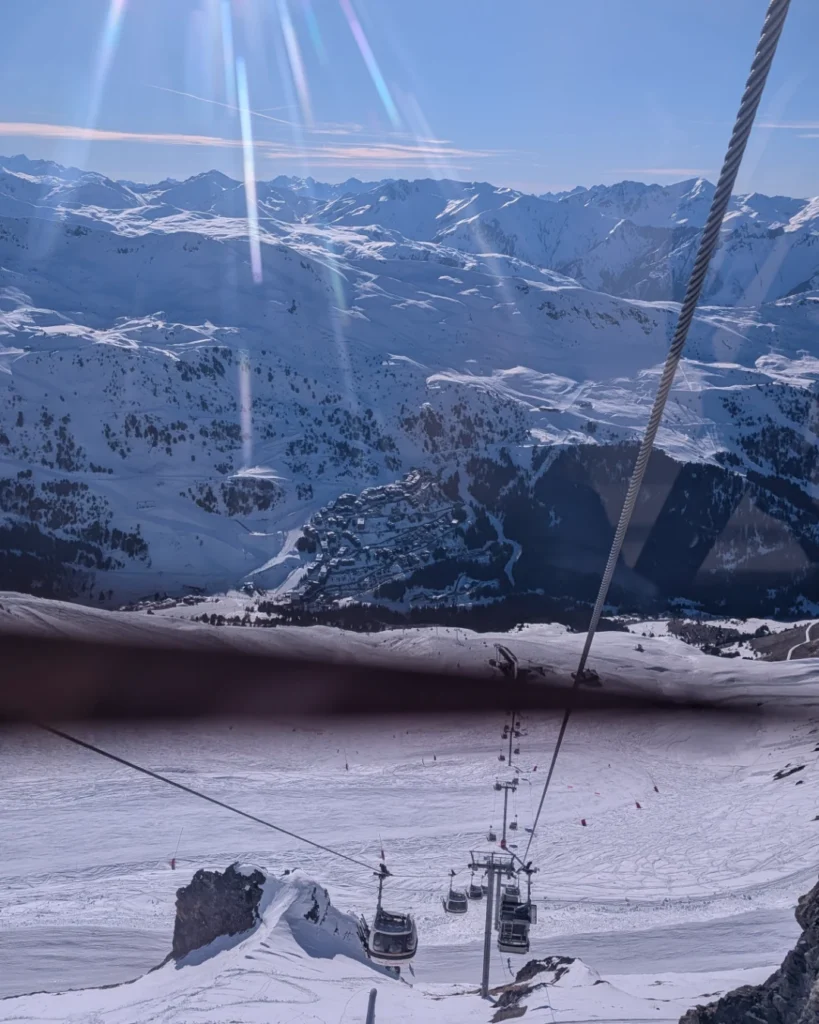
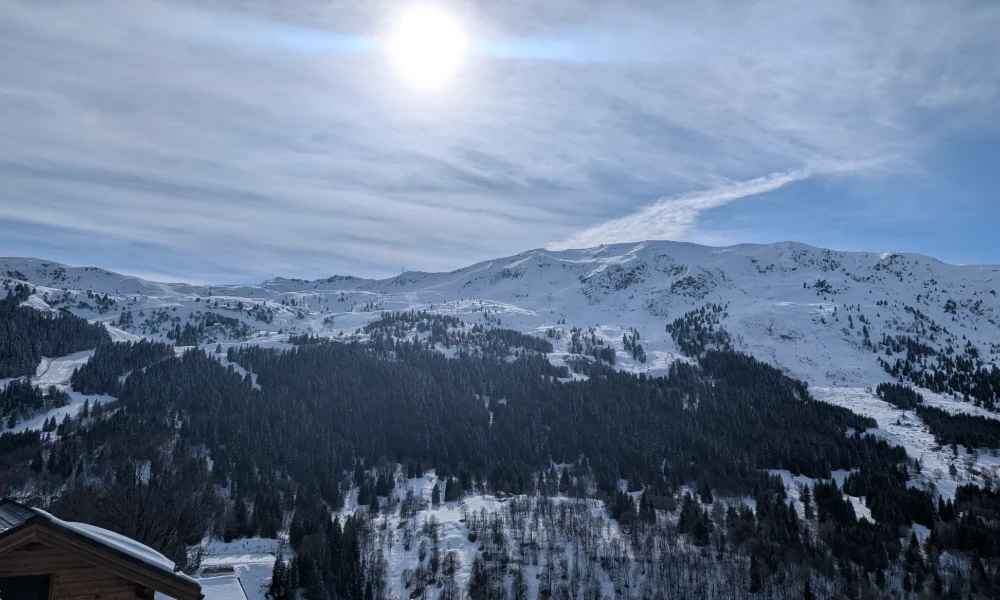
Méribel sits at the heart of the 3 Vallées in the French Alps, giving skiers access to an extraordinary 600 kilometres of interconnected pistes across resorts including Courchevel, Val Thorens, Les Menuires and Saint-Martin-de-Belleville. The wider ski area stretches from approximately 1,100 metres to 3,230 metres, with around 85 per cent of its terrain above 1,800 metres, making its scale difficult to appreciate until you actually stand on the mountain and look at the seemingly endless choices in front of you.
Yet Méribel manages to feel surprisingly intimate.
Rather than a large purpose-built complex dominating the mountainside, the valley is characterised by traditional Alpine architecture, timber balconies, stone buildings and clusters of chalets. Forests cover more than half of the Méribel Valley, adding another dimension to the landscape and creating some wonderfully atmospheric skiing between the trees.
It is this combination that makes Méribel particularly interesting. Beginners can remain relatively close to home on gentler terrain, while confident skiers can disappear across the 3 Vallées for the day. Families and mixed-ability groups do not necessarily have to compromise.
And this time I decided to do something I had not done since childhood: book a ski lesson.
Why Experienced Skiers Should Consider a Lesson
There can be a certain arrogance that comes with having skied for decades. You know how to ski, so why would you need an instructor?
Within the first morning I realised how much I had underestimated the value of one.
Our instructor was excellent, but the benefit went far beyond correcting technique. A good local instructor knows the mountain. They know which pistes are skiing beautifully that morning, where the snow is becoming icy, which slopes are busy, what has recently opened and which routes are best avoided.
Anyone who has skied regularly will recognise the experience of studying a piste map, choosing what appears to be a perfectly manageable red run and discovering halfway down that the day’s conditions have transformed it into something that feels considerably closer to a black.
Having someone knowledgeable guiding us on that first day allowed me to rediscover my confidence while learning the geography of an enormous ski area.
It has completely changed my thinking. Even as a confident skier, I would now consider booking an instructor or guide for the first day whenever I visit an unfamiliar resort. Most recreational British skiers are fortunate if they spend a week or two on snow each year. That is not really enough time to assume that our technique, confidence and understanding of changing mountain conditions will simply return the moment the skis go on.
A lesson is not an admission that you cannot ski. It can be one of the smartest ways to begin your holiday.
A Different Kind of Alpine Luxury
Our base for the trip was Falcon, a luxury residence that feels more like a small mountain hamlet than a conventional hotel. Apartments and chalets constructed from local-looking stone and timber appear almost to cling to the mountainside, accommodating everything from couples to large groups.
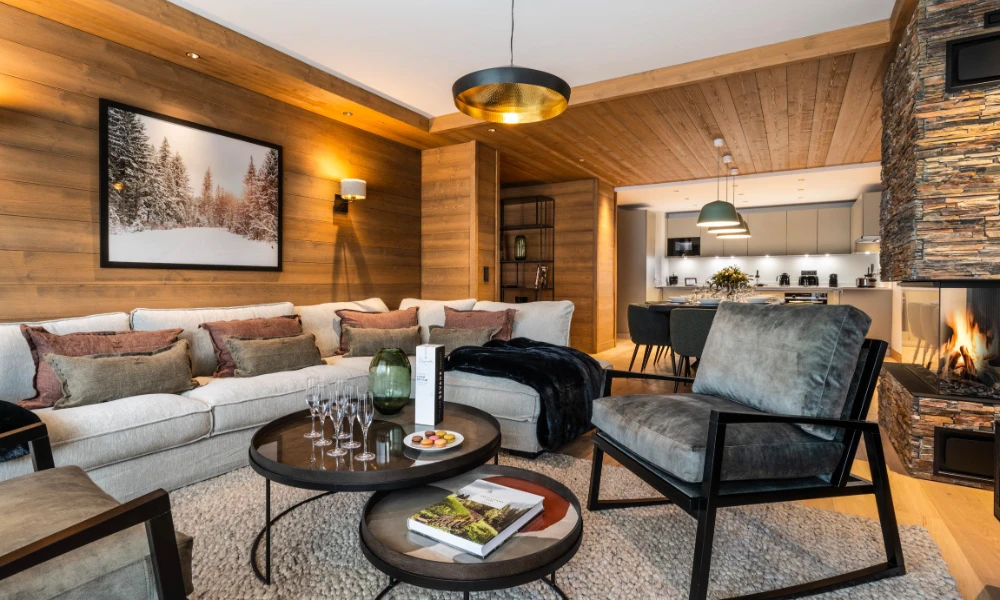
Navigating between reception, our apartment, the boot room and the various levels became something of an amusing memory test involving corridors and lifts, but the reward was a wonderfully spacious apartment that made returning from the slopes feel like coming home.
More importantly, we discovered our own hot tub, sauna and hammam.
There are few sensations quite as satisfying as removing ski boots from aching feet and sinking into warmth, or sitting on a balcony looking out towards snow-covered mountains. Falcon also has a small swimming pool, wellness facilities and treatments, while practical services including a ski shop, equipment rental, concierge, cleaning, breakfast and private shuttles make it possible to remove much of the logistical effort traditionally associated with a ski holiday.
This is another way in which Alpine luxury has evolved. The real indulgence is increasingly convenience.
Being able to collect your skis where you are staying, jump onto a shuttle rather than carrying equipment across town and return to your own sauna at the end of the afternoon creates more time to enjoy the destination itself.
And time, I increasingly think, is the greatest luxury of all.
The Long Alpine Lunch
If my childhood ski holidays were about maximising time on the pistes, modern Méribel makes a compelling argument for stopping.
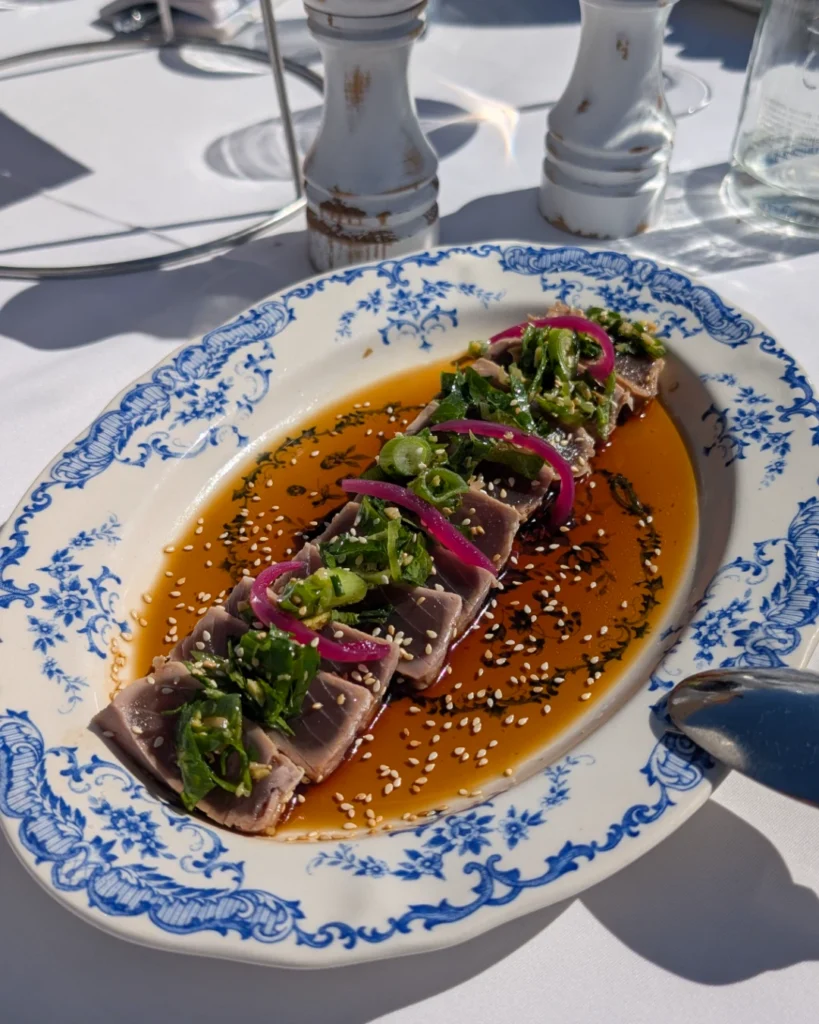
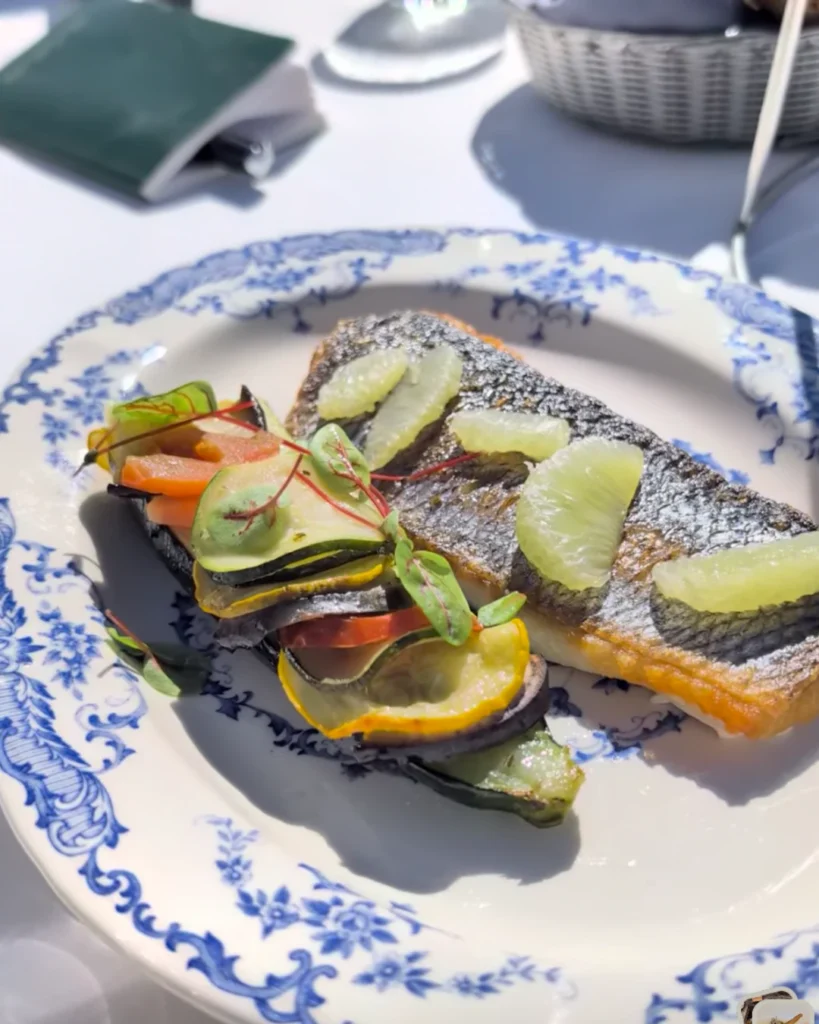
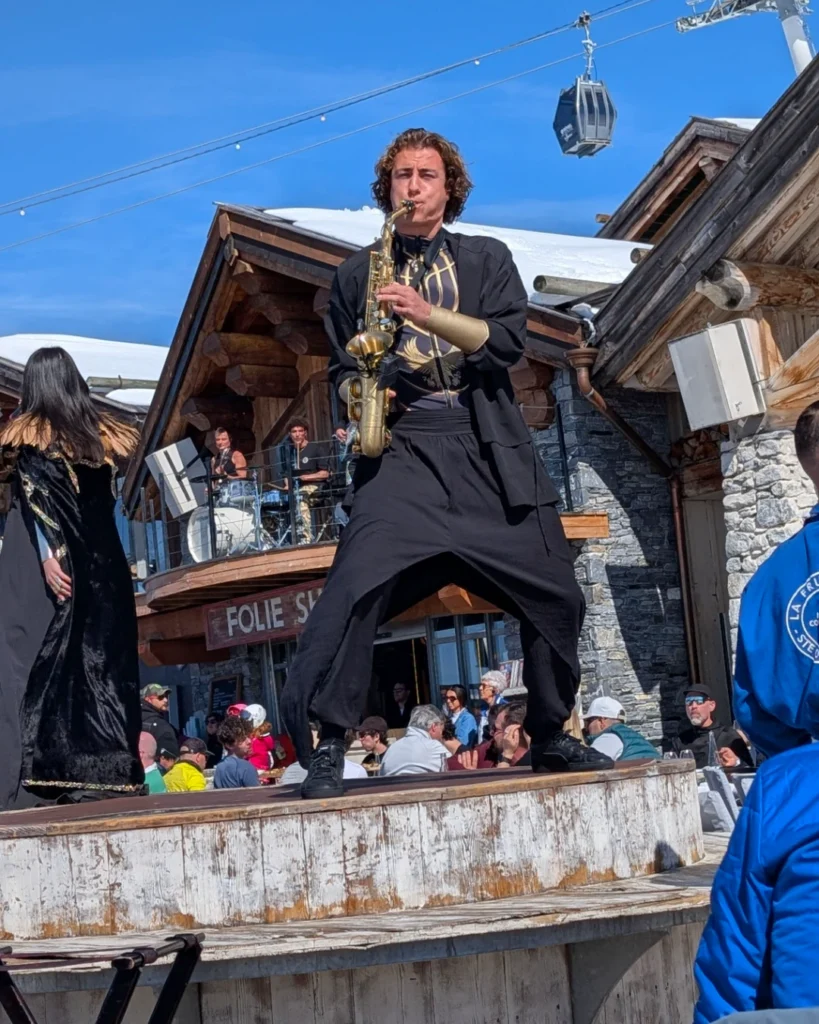
Our lunch at La Folie Douce Méribel-Courchevel was a case in point.
La Folie Douce has become famous across the French Alps for transforming après-ski into theatre: part mountain restaurant, part open-air club and part cabaret. On a blue-sky afternoon there is something wonderfully surreal about sitting high in the Alps, sunlight bouncing off the snow, while singers and dancers in spectacular costumes perform around you.
Lunch gradually becomes après-ski and, for those with enough energy left in their legs, dancing in ski boots is very much encouraged.
It represents a side of the modern mountain holiday that would have seemed almost frivolous to my younger skiing self. Why waste valuable skiing time sitting over lunch?
Now I would argue the opposite. Why travel all the way to the Alps and rush through one of the loveliest parts of the day?
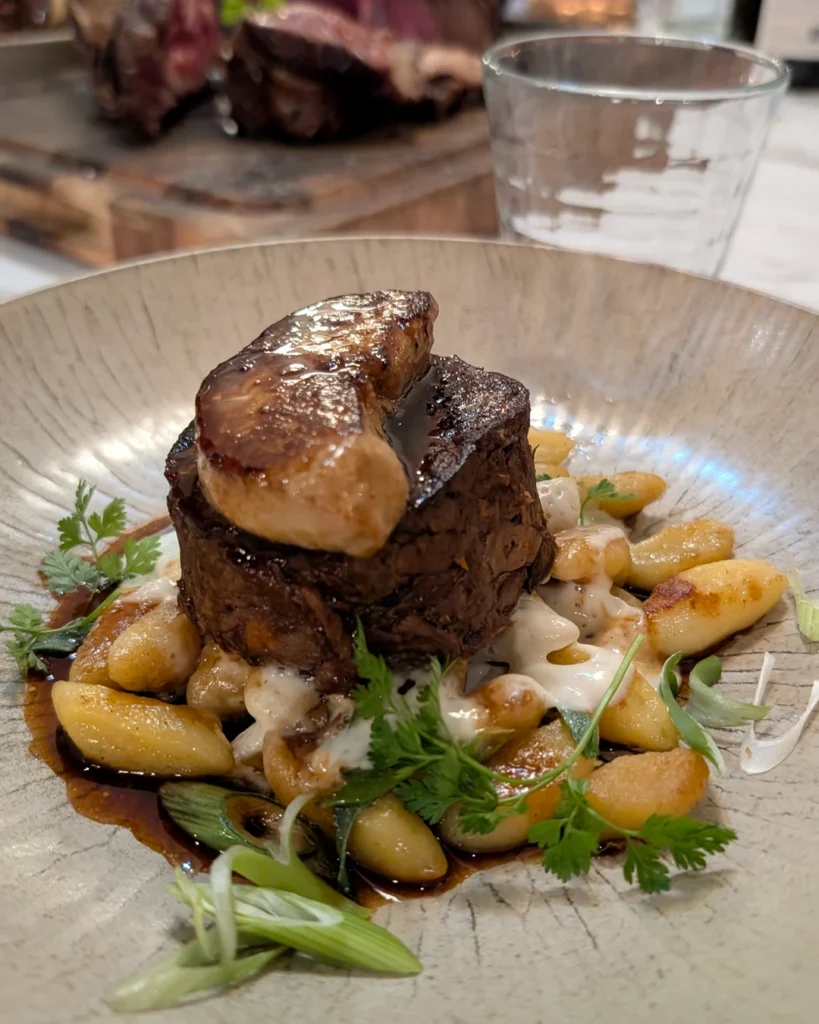
Back in Méribel itself, après-ski continues at The Rond-Point, another institution where dancing in ski boots seems perfectly normal. Dining, meanwhile, has become an increasingly important part of the Alpine experience. At La Coursive des Alpes, the menu ranges from pizzas and burgers to raclette and Côte de Boeuf, making it an easy first-night choice for a mixed group, while Fifi offers another opportunity to turn dinner into part of the destination experience rather than simply refuelling for tomorrow’s skiing.
Food has become one of the great pleasures of contemporary Alpine travel. The mountains are increasingly places to linger over local produce, discover regional traditions and enjoy restaurants with the same enthusiasm we once reserved for ticking another piste off the map.
When Everyone Else Has Gone Home
One of our most memorable experiences was also one of the most challenging.
Méribel’s Last Track offers experienced skiers the opportunity, on selected dates, to remain on the mountain after the normal skiing day has finished. Recent editions have included an aperitif and music at altitude before a final descent on a freshly groomed piste as daylight disappears. The resort itself specifies that an advanced ski level is required.
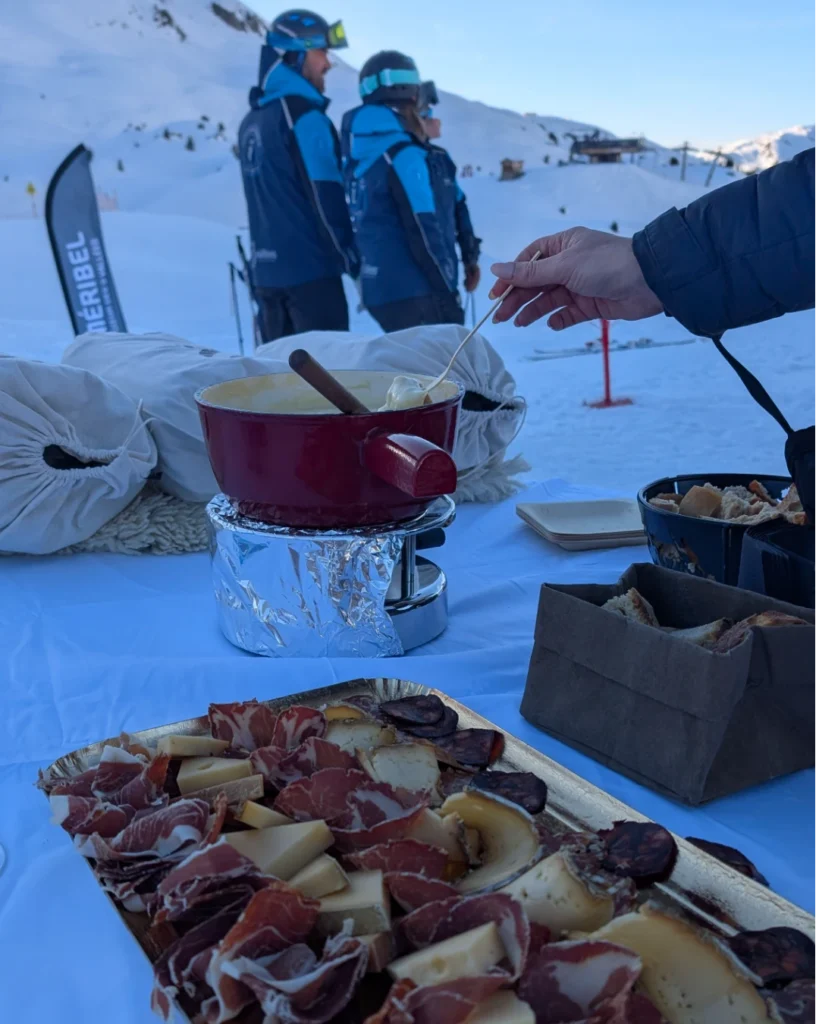
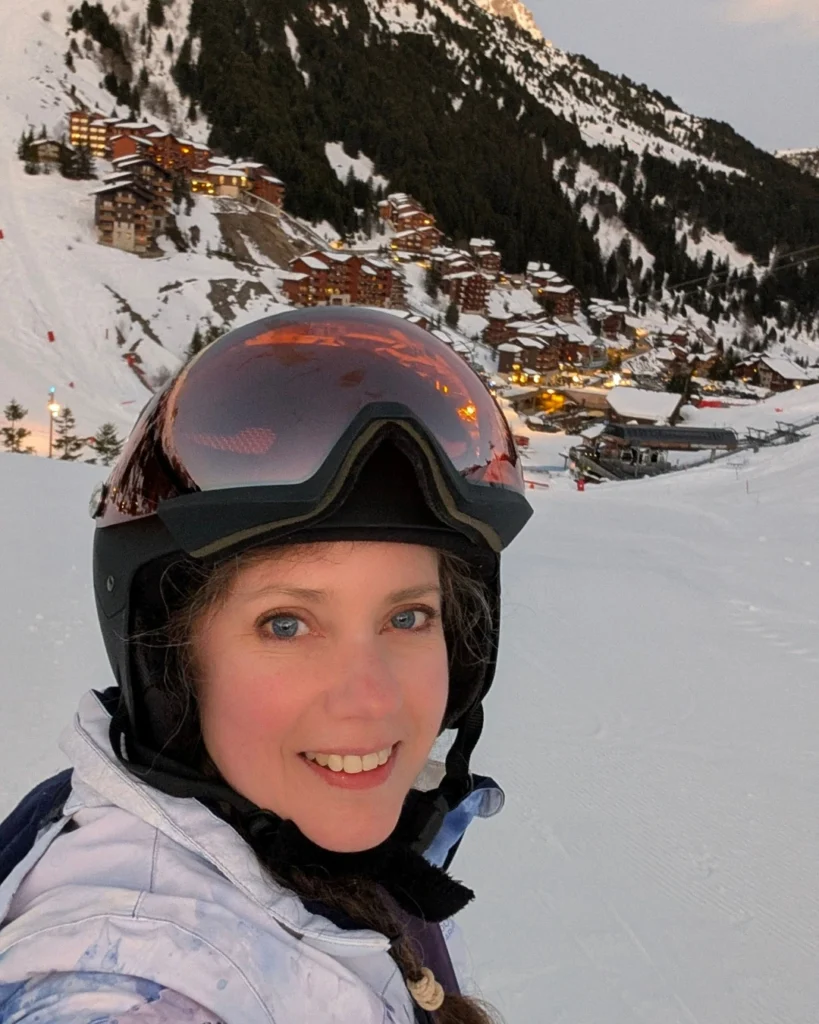
There is something magical about being high in the mountains once the crowds have disappeared. Ski lifts fall silent, the pistes empty and suddenly you become aware of the sheer scale of the landscape around you.
But I would add a word of caution: this is not an experience I would recommend to nervous or inexperienced skiers.
I had forgotten just how difficult fading light can make reading the contours of snow. As shadows disappear, bumps and gradients become harder to distinguish and familiar-looking terrain can suddenly feel very different. The scenery was extraordinary and I loved experiencing the mountain in that moment of stillness, but partway through our descent we decided discretion was preferable to determination and finished our journey from one of the villages by taxi.
Twenty years ago I might have regarded that as giving up. Today I call it knowing when I have had enough. Perhaps that, too, is part of learning to enjoy the mountains differently.
Rediscovering Play
Ski resorts are also remembering something important: snow should be fun.
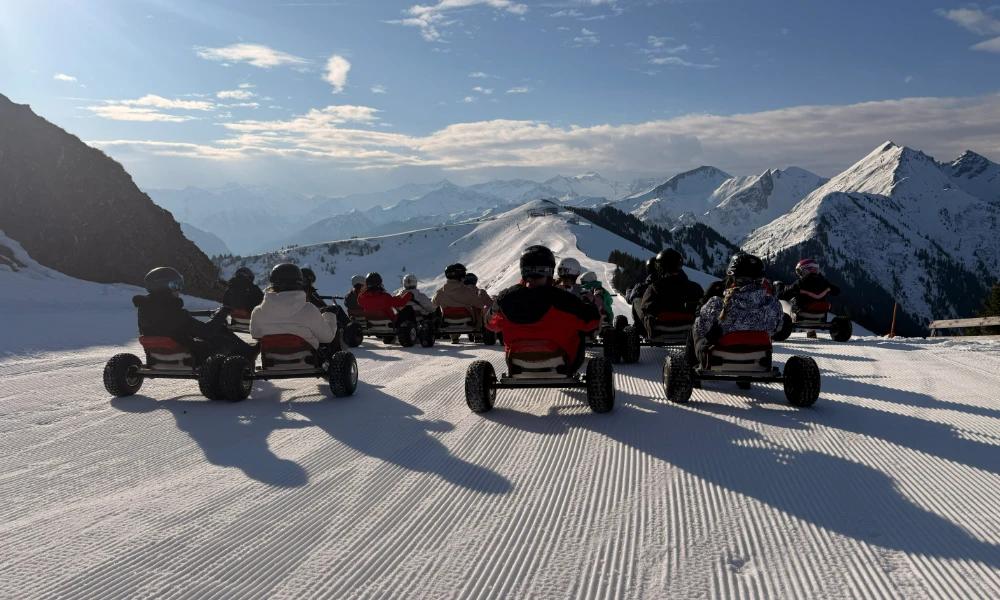
On our final day we swapped skis for sledges and attempted Mission Black Forest, a 3.4-kilometre toboggan run plunging 470 metres through the forest with 28 bends.
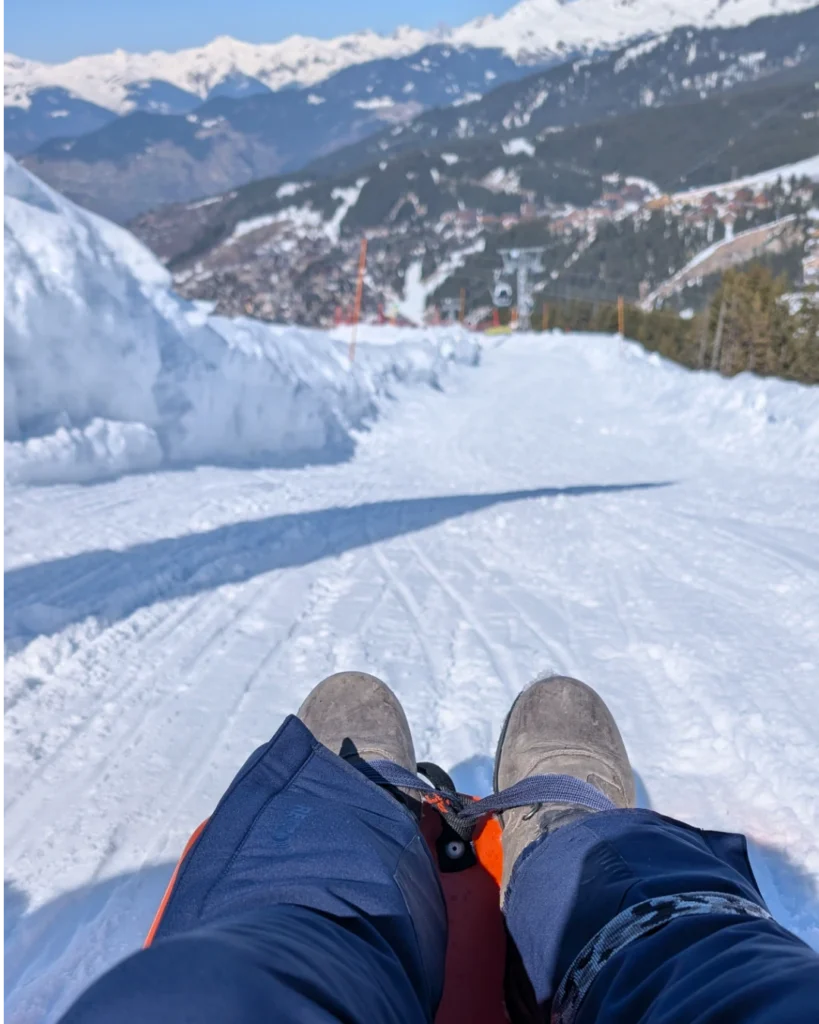
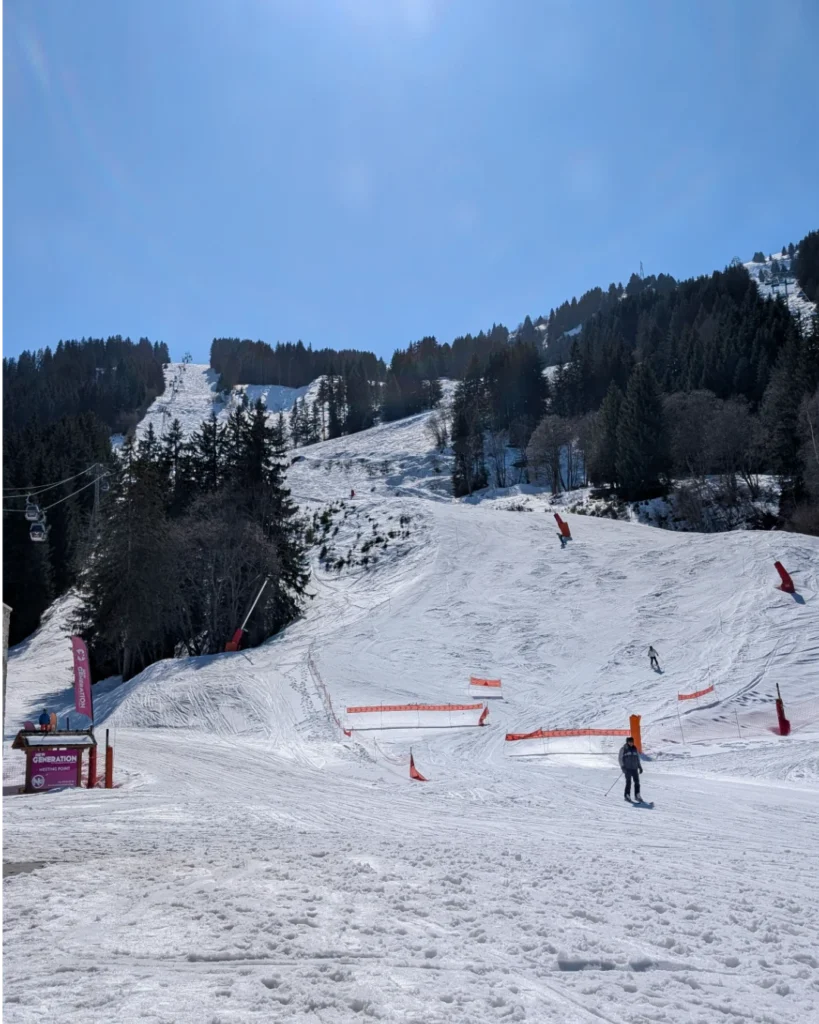
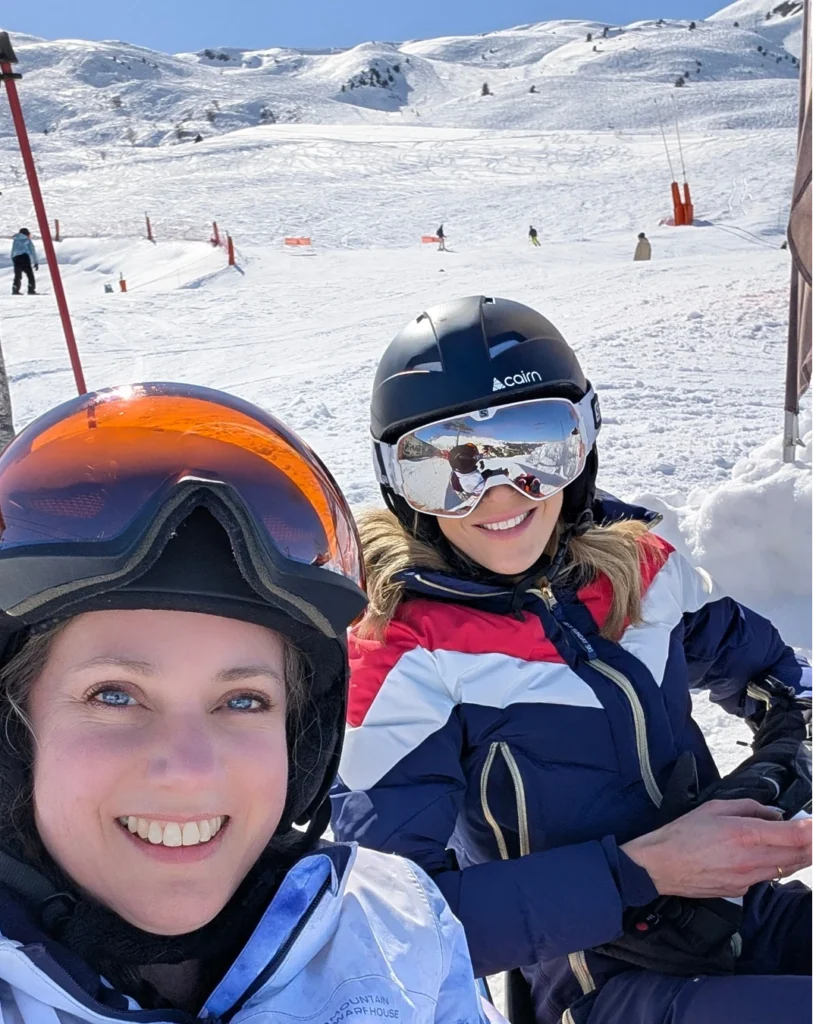
It was considerably more exhilarating than I had anticipated.
At various points we hurtled into snow banks rather less elegantly than intended, but we laughed enormously, and that was precisely the point. There was no technique to perfect, no piste classification to worry about and no pressure to prove anything. We were simply playing in the snow.
Night-time sledging, snowshoeing, walks around Lake Tuéda, ice skating and indoor climbing provide further alternatives for people who do not want to spend every day skiing. Méribel’s Olympic Park adds swimming, climbing and an ice rink to the mix, while the forests and surrounding landscape open up opportunities for quieter exploration. The resort also promotes Himalaya by Night, a night-time sledging experience through Yéti Park on selected evenings. This variety changes who can enjoy an Alpine holiday.
For years, non-skiers accompanying enthusiastic skiing families could understandably wonder what they were supposed to do all day. Increasingly, they have an answer.
Wellness at Altitude
By the end of our week my legs had worked hard and my feet were making their feelings very clear, so rather than squeezing in another afternoon of skiing I headed to Hôtel Le Coucou.
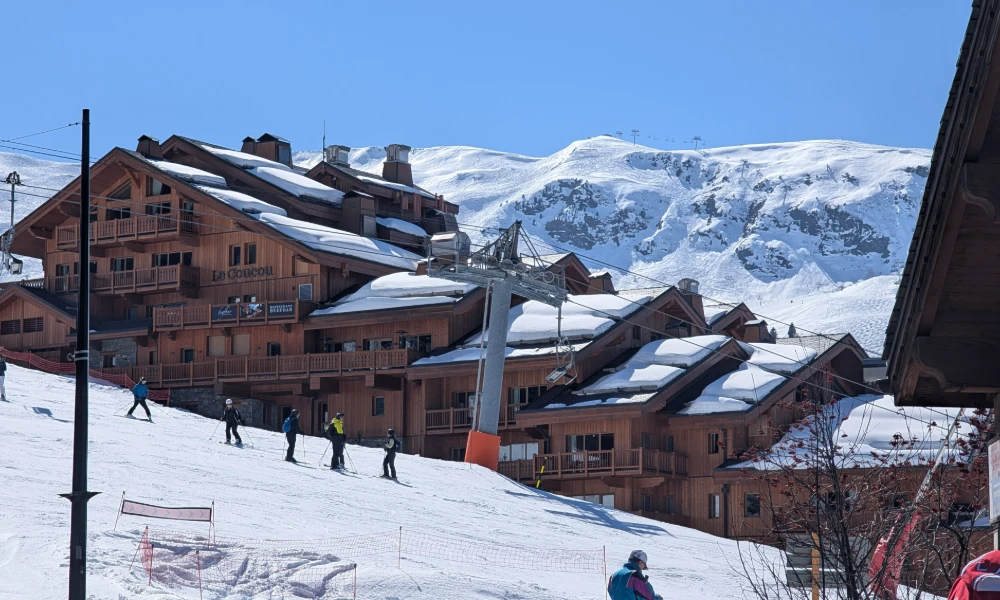 Hôtel Le Coucou
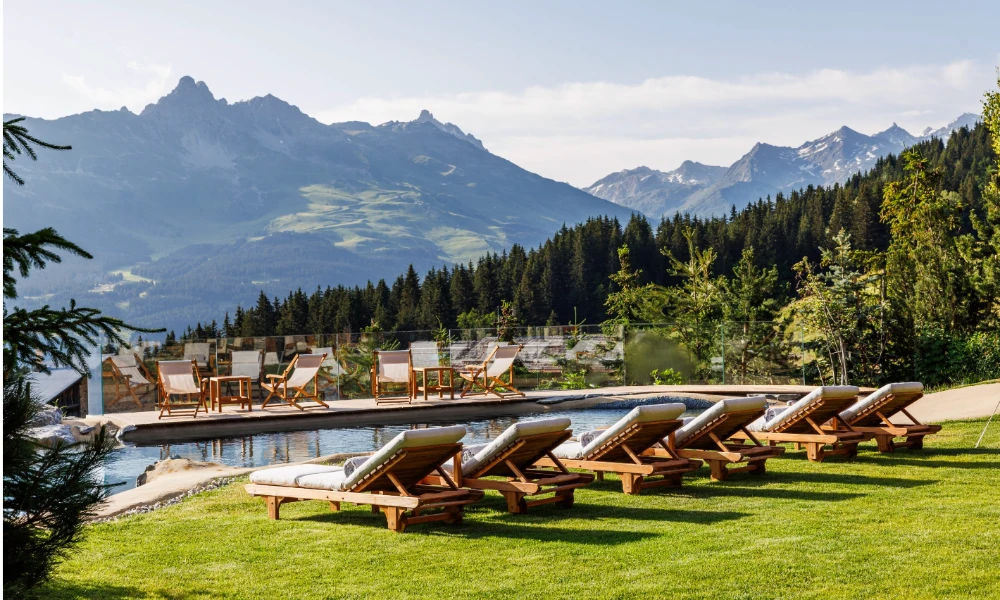
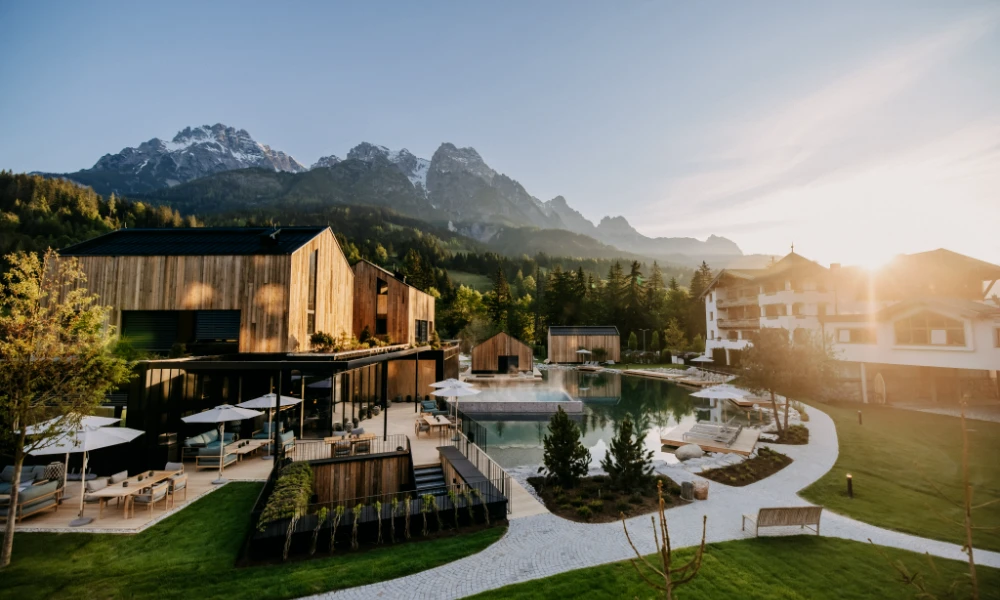
Perched at around 1,600 metres in the heights of Belvédère, beside the Rond-Point des pistes, Le Coucou is Méribel’s five-star retreat and opens for the winter season. After touring its rooms and restaurants, I headed for the pool and wellness spaces and spent the afternoon doing something my younger self would never have contemplated on a ski holiday: very little.
And it was glorious.
The rise of Alpine wellness is perhaps one of the most interesting changes in mountain travel. Spas are no longer merely an add-on for guests who do not ski. Recovery is becoming an integral part of the experience.
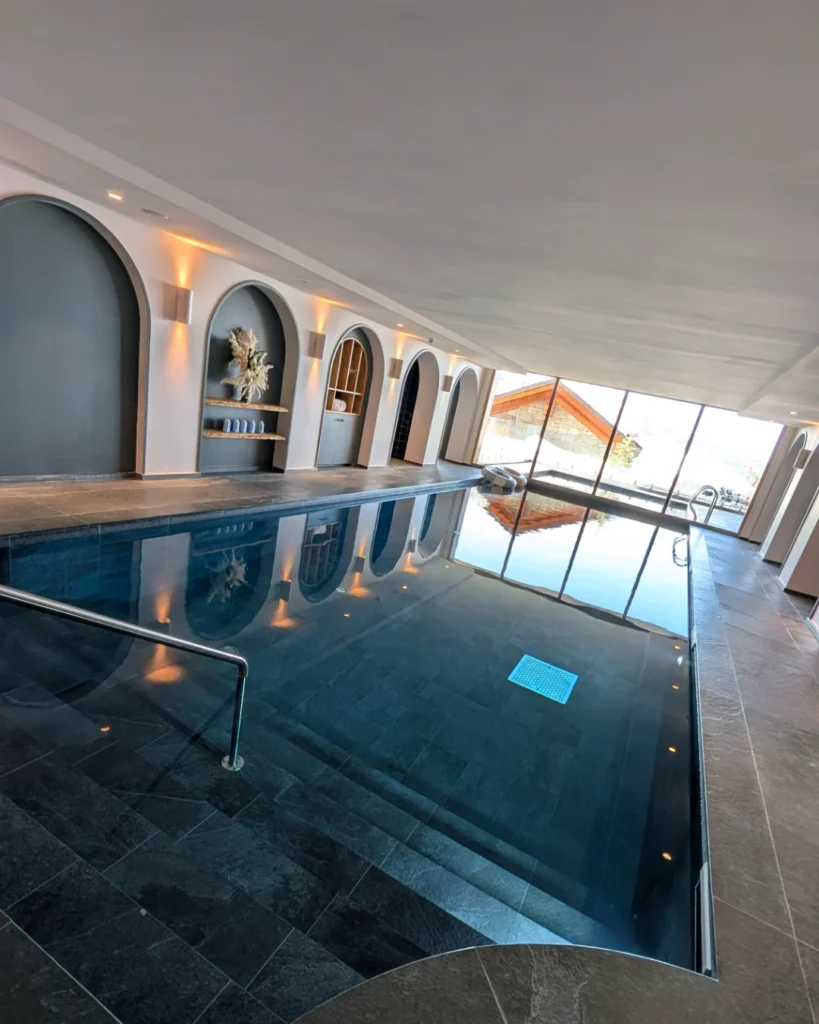 Hôtel Le Coucou Pool
It makes perfect sense. Skiing is physically demanding. Our muscles work differently at altitude and days are spent repeatedly loading the legs, knees and core. Warm pools, saunas, steam rooms, massage, stretching and simply allowing the body time to recover can make the rest of the holiday more enjoyable.
Across the Alps, this philosophy is expanding beyond winter. Mountain destinations increasingly promote hiking, cycling, outdoor yoga, forest experiences, swimming, nutrition, thermal therapies and sophisticated spa programmes throughout the year.
The mountain is no longer just somewhere to exercise. It is becoming somewhere to recover.
Can Ski Holidays Become More Sustainable?
Of course, there is an uncomfortable contradiction at the centre of modern Alpine tourism. We travel to the mountains because we love their natural beauty, while tourism itself inevitably places pressure upon them.
Méribel is confronting that question through its Méribel 2038 programme, named for the year in which the resort will celebrate its centenary. The initiative began in 2021 and brings together the commune, businesses, institutions and local stakeholders around a long-term ecological and social transition plan. Its initial programme contained more than 110 actions spanning carbon reduction, biodiversity and natural resources, local life and community engagement.
In December 2024, Méribel received two Flocon Vert sustainability awards on its first application, an external certification assessing the environmental and social commitments of mountain destinations.
There are practical initiatives too, from adapting lift operations and snow production to biodiversity programmes carried out with the Vanoise National Park. The valley is monitoring vulnerable bird species including black grouse, golden eagles and rock ptarmigan, restoring landscapes after construction and revegetating pistes when the snow disappears.
Perhaps most importantly for British visitors, Méribel’s own analysis highlights transport as a major part of the carbon footprint associated with a ski holiday. That makes how we reach the Alps increasingly worthy of consideration.
The nearest railway station is Moûtiers-Salins-Brides-les-Bains, approximately 18 kilometres down the valley, with onward bus and taxi connections to Méribel. For those travelling from Britain, rail journeys via Paris towards Moûtiers can provide an alternative to flying, while those who do fly can continue by transfer from one of the regional airports. Once in the resort, the free Méribus network makes getting between different areas of Méribel possible without relying constantly on a car.
No mountain holiday is impact-free, but destinations acknowledging the challenge and investing in a longer-term transition should be part of the conversation about where and how we choose to travel.
So, Is Méribel Only for Skiers?
Not anymore.
For complete beginners, Méribel offers an unusually attractive introduction to skiing because it combines dedicated beginner terrain and ski schools with a compact resort experience and plenty to do away from the pistes. You can learn in the morning, stop when your legs have had enough, meet more experienced friends for lunch and still feel part of the same holiday.
For intermediate skiers, it is difficult to imagine becoming bored. Méribel itself offers everything from gentle forest runs to more challenging reds, while its central position means Courchevel, Les Menuires and beyond are waiting when confidence grows.
For advanced skiers, the scale of the 3 Vallées is the real attraction. There are challenging pistes, high-altitude terrain and legendary descents including Mont Vallon, while expert skiers can seek out considerably more demanding territory with appropriate guidance.
But Méribel also works for the person who loves the mountains without necessarily loving skiing.
You can snowshoe through a quiet forest, swim while snow falls outside, book a massage, linger over lunch, watch the mountains change colour as the sun disappears, go sledging, ice skate, explore the village or simply sit with a coffee and look at a landscape that makes everyday life feel wonderfully far away.
And increasingly, I think that is the future of the Alpine holiday.
Learning to Ski Less and Enjoy the Mountains More
I still love skiing. There is nothing quite like standing at the top of a mountain on a clear morning, looking across an apparently endless landscape of white peaks and knowing that the only way home is down.
But this trip reminded me that loving skiing does not mean having to ski from first lift to last.
Our relationship with the mountains can change as we do.
At ten, the excitement came from going faster and skiing further. Later it became about tackling increasingly difficult pistes. Now I find myself noticing different things: the silence when the lifts stop, the warmth of a sauna after cold air, the pleasure of a long lunch in the sunshine, the absurdity of dancing in ski boots and the uncontrollable laughter that comes from accidentally burying yourself in a snow bank on a sledge.
Perhaps wellbeing in the mountains is ultimately about giving ourselves permission to stop measuring the success of a holiday by how much we accomplish.
If you have always dismissed a skiing holiday because you do not ski, or because you imagine a week of cold mornings and exhausting days hurtling down mountains, it may be time to reconsider.
Go to the mountains.
Take a lesson. Ski for a morning. Have lunch in the sunshine. Walk through the snow. Dance in your boots. Try the sledge. Book the massage. Sit in the hot tub. Watch the light disappear behind the peaks.
And if one afternoon your legs tell you that they would rather be in the spa than halfway up another chairlift, listen to them.
The mountain will still be there tomorrow.
Méribel at a Glance
Where: Savoie, French Alps, at the centre of the 3 Vallées.
Skiing: Méribel provides direct access to the 3 Vallées and its approximately 600km of interconnected pistes, linking seven resorts and terrain suitable for beginners through to expert skiers.
Best for: Mixed-ability groups, couples, families, returning skiers and anyone wanting to combine serious skiing with restaurants, après-ski, wellness and non-ski activities.
For beginners: Book lessons through one of Méribel’s ski schools and consider an instructor on your first morning. Even experienced skiers can benefit from local knowledge of snow and piste conditions.
Getting there: The closest railway station is Moûtiers-Salins-Brides-les-Bains, with buses and taxis completing the journey up the valley. Méribel can also be reached via regional airports and road transfers.
Getting around: A free Méribus service operates around the resort during the season.
Don’t miss: A long mountain lunch, après-ski at La Folie Douce or The Rond-Point, Mission Black Forest sledging, a restorative spa afternoon and, for suitably experienced skiers when available, the extraordinary stillness of a Last Track descent.
Sustainability: Méribel 2038 is the valley’s long-term environmental and social transition programme, with measures addressing carbon reduction, biodiversity, resources and the future resilience of the local community.
DISCOVER:
Filed underMassage, Cold & heat therapy, France, Nature, Spa

About the author
Rachel BransonFounder & Editor in Chief
With over 30 years in publishing and a background in Naturopathic Medicine, she has made it her mission to challenge mainstream health narratives and empower people to take control of their wellbeing. Now expanding her vision across the Atlantic, Rachel is bridging UK and US audiences with inspiring stories, trusted insights, and pioneering partnerships that align with a new era of health innovation.