
Superfoods: What They Are, Their Benefits and the Best Superfoods to Eat
Why should we consider the superfoods as part of our daily diet? When we are constantly bombarded with information on healthy food products, we may not…
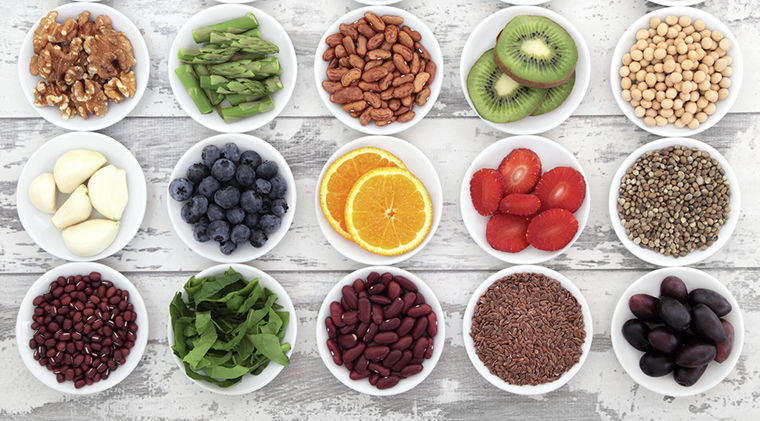
From blueberries and broccoli to chia seeds, cacao, spirulina and turmeric, certain foods have acquired an almost legendary reputation for their nutritional benefits. We call them superfoods, but what actually makes a food “super” – and do we really need them?
The first thing to know is that superfood is not a scientific or officially regulated nutritional category. It is a popular term generally used to describe nutrient-rich foods containing particularly useful concentrations of vitamins, minerals, fibre, healthy fats, protein or naturally occurring plant compounds.
That doesn't make superfoods meaningless. Many of the foods given the label are exceptionally nutritious. What matters is understanding what they can realistically contribute to our diet rather than expecting one ingredient to transform our health.
The most useful way to think about superfoods is therefore not as miracle foods, but as nutrient-dense ingredients that can help us build a varied, predominantly whole-food diet.
What are superfoods?
Superfoods tend to be whole or minimally processed foods that offer considerable nutritional value relative to the amount we eat.
They include everyday foods such as:
berries
leafy green vegetables
broccoli
beans and lentils
nuts
seeds
oats and other wholegrains
oily fish
fermented foods
herbs and spices
beetroot
They can also include some of the more exotic ingredients traditionally associated with the superfood movement, including spirulina, maca, cacao and goji berries.
Importantly, an ingredient does not have to come from the Amazon rainforest, Andes or another faraway location to qualify as nutritious. Some of the best foods for our health are inexpensive ingredients available in an ordinary supermarket.
Are superfoods really good for you?
Many foods described as superfoods contain nutrients and plant compounds associated with good health, but the bigger picture matters.
Eating blueberries occasionally cannot compensate for a diet dominated by highly processed foods, just as adding a spoonful of spirulina to a smoothie doesn't automatically make the rest of someone's diet healthy.
Instead, think about dietary patterns.
A varied diet incorporating plenty of vegetables, fruit, wholegrains, beans, pulses, nuts, seeds and other nutritious foods provides the body with fibre, protein, vitamins, minerals and thousands of naturally occurring plant compounds.
The goal shouldn't be to find the ultimate superfood. It should be to eat a super variety of foods.
What are the benefits of eating nutrient-rich foods?
Adding more whole, nutrient-dense foods to your diet can help increase your intake of some of the nutrients your body needs to function normally.
Depending on the food, these may include:
Fibre: important for digestive health and found in vegetables, fruit, beans, lentils, nuts, seeds and wholegrains.
Healthy fats: nuts, seeds, avocado and oily fish provide unsaturated fats, while certain seeds also contain omega-3 fatty acids.
Protein: beans, pulses, nuts, seeds, fish, eggs and other protein-rich foods contribute to the maintenance and repair of body tissues.
Vitamins and minerals: eating a diverse range of whole foods helps provide micronutrients needed for numerous normal processes in the body.
Polyphenols and other plant compounds: colourful fruits, vegetables, cacao, tea, herbs and spices contain a fascinating variety of naturally occurring compounds that continue to be studied for their potential role in health.
Rather than concentrating on one nutrient, eating a variety of foods allows these different components to become part of your overall diet.
15 superfoods worth adding to your diet
1. Blueberries and other berries
Blueberries are probably one of the best-known superfoods.
Their deep blue-purple colour comes partly from anthocyanins, a family of plant compounds belonging to the wider flavonoid group. But there is no need to limit yourself to blueberries.
Blackberries, raspberries, strawberries, blackcurrants and other berries can all contribute fibre, vitamins and plant compounds to the diet.
Frozen berries count too, making them an easy ingredient to keep available throughout the year.
Try adding berries to porridge, natural yoghurt or overnight oats.
2. Leafy green vegetables
Spinach, kale, watercress, rocket and other leafy greens pack considerable nutrition into a relatively small serving.
Depending on the variety, they can provide fibre and nutrients including folate and vitamin K.
Instead of forcing yourself to drink enormous green juices, simply look for opportunities to add leafy vegetables to everyday meals: stir spinach through pasta, add rocket to a sandwich or put kale into soups and casseroles.
3. Broccoli and cruciferous vegetables
Broccoli belongs to the cruciferous vegetable family alongside cauliflower, cabbage, kale and Brussels sprouts.
These vegetables contain fibre, vitamins and distinctive naturally occurring plant compounds known as glucosinolates.
Eating a mixture of cruciferous vegetables is another easy way of increasing the diversity of plants in your diet.
4. Beans, chickpeas and lentils
Some of the most impressive superfoods are also among the cheapest.
Beans, chickpeas and lentils provide plant protein and fibre alongside a variety of micronutrients.
They are also extremely versatile. Add lentils to soups and curries, chickpeas to salads or roasted vegetables, and beans to chilli, casseroles and stews.
5. Nuts
Walnuts, almonds, pistachios, hazelnuts and other nuts provide a combination of protein, fibre, unsaturated fats and micronutrients.
Different nuts have different nutritional profiles, so once again, variety is useful.
Choose unsalted varieties where possible and try adding a small handful to breakfast, yoghurt or salads.
6. Seeds
Small seeds can make a surprisingly useful addition to our diet.
Chia, flax, pumpkin, sunflower, sesame and hemp seeds provide different combinations of fibre, protein, healthy fats and minerals.
Ground flaxseed is particularly easy to stir into porridge, yoghurt and smoothies, while pumpkin and sunflower seeds add texture to salads.
7. Hemp seeds
Hemp featured prominently in the original version of this Wellbeing Magazine article, and it remains an interesting food.
Hemp seeds provide protein as well as polyunsaturated fats, including omega-6 and omega-3 fatty acids.
They have a mild, nutty flavour and can be sprinkled over porridge, yoghurt, soups and salads or blended into smoothies.
8. Oats
You don't need expensive powders to eat superfoods.
The humble oat is an excellent example of an everyday nutrient-rich food. Oats provide fibre, including a type of soluble fibre called beta-glucan.
Porridge, overnight oats and homemade muesli are all simple ways to make oats part of breakfast.
9. Cacao
Cacao comes from the beans of the cacao tree and is naturally rich in plant compounds including flavanols.
However, cacao and chocolate aren't nutritionally interchangeable. Chocolate products can contain substantial amounts of added sugar and saturated fat depending on how they are made.
Unsweetened cacao powder can be added to porridge, smoothies or yoghurt if you enjoy its distinctive bitter chocolate flavour.
10. Spirulina
Spirulina is a blue-green microorganism – usually described commercially as an algae – sold as a dried powder or supplement.
It contains protein, micronutrients and pigments such as phycocyanin and has become one of the best-known ingredients of the modern superfood movement.
Research into spirulina is interesting. Studies have investigated possible effects on areas including blood lipids, blood pressure and metabolic health, although this does not mean spirulina should be regarded as a treatment for these conditions.
It is best viewed as an optional addition to the diet rather than an essential ingredient.
11. Maca
Maca is a plant native to the Peruvian Andes whose root has traditionally been consumed as food and is now commonly sold as a powder.
It is frequently promoted for energy, stamina, hormonal balance and sexual health, although many of the marketing claims surrounding maca go considerably further than current human evidence allows us to say with confidence.
If you enjoy maca, its malty flavour works well in porridge and smoothies, but you don't need maca to have a healthy diet.
12. Turmeric
The golden colour of turmeric comes primarily from curcumin and related compounds known as curcuminoids.
Curcumin has become the subject of considerable scientific interest, particularly in research surrounding inflammatory processes.
In everyday life, however, perhaps the simplest reason to use turmeric is that herbs and spices make plant-rich cooking more interesting.
Use it in curries, dhal, soups, roasted vegetables and rice dishes.
13. Extra virgin olive oil
Extra virgin olive oil is one of the characteristic ingredients of the Mediterranean diet.
It predominantly provides monounsaturated fat and also contains naturally occurring polyphenols.
Use it for salad dressings, drizzling over vegetables and as part of everyday cooking rather than thinking of it as a supplement.
14. Oily fish
Salmon, sardines, mackerel and herring are valuable sources of the long-chain omega-3 fatty acids EPA and DHA.
The NHS recommends eating at least two portions of fish a week, including one portion of oily fish, although there are additional recommendations around maximum consumption of some fish for certain groups.
People following a plant-based diet can obtain the omega-3 fatty acid ALA from foods such as walnuts, chia and flaxseed.
15. Fermented foods
Yoghurt, kefir, kimchi and sauerkraut have attracted increasing attention alongside growing scientific interest in the gut microbiome.
Not every fermented food contains live microorganisms by the time we eat it, and we are still learning about the complex relationship between diet and the microbiome.
Nevertheless, fermented foods can be another useful way to introduce variety into the diet.
16. Beetroot
With its rich purple-red colour and impressive nutritional profile, beetroot is one of the most accessible and affordable superfoods. This vibrant root vegetable provides fibre, folate, potassium and naturally occurring plant compounds that contribute to a healthy, balanced diet.
One of beetroot's most interesting properties is its high concentration of dietary nitrates, which the body can convert into nitric oxide. Nitric oxide helps blood vessels relax and supports healthy blood flow. Research suggests that beetroot juice may help lower blood pressure in some people, while its potential benefits for exercise endurance and performance have attracted considerable scientific interest.
Beetroot also contains betalains, the natural pigments responsible for its distinctive colour, which have antioxidant properties. Although research into their potential health benefits is ongoing, beetroot remains a nutritious addition to everyday meals.
Enjoy beetroot roasted with olive oil, grated raw into salads, blended into smoothies or added to soups. Cooked, vacuum-packed beetroot is particularly convenient, although it's worth choosing varieties without added sugar or excessive salt.
For a closer look at the science, nutritional benefits and practical ways to enjoy this colourful vegetable, read our complete guide to beetroot and its health benefits.
Are expensive superfood powders necessary?
No.
One of the biggest misconceptions created by the superfood trend is that optimum nutrition requires a cupboard filled with expensive powders.
It doesn't.
Frozen berries, oats, lentils, beans, cabbage, broccoli, nuts and seeds can all form part of a nutrient-rich diet.
Superfood powders can be convenient and enjoyable, but think of them as optional extras rather than nutritional insurance.
If your budget allows you to buy maca, spirulina, açai or specialist mushroom powders and you enjoy using them, that's fine. But don't overlook inexpensive everyday whole foods in pursuit of something more exotic.
Whole foods or supplements: which are better?
Food and supplements shouldn't necessarily be viewed as competitors because they serve different purposes.
A varied diet provides combinations of nutrients, fibre and plant compounds within a food matrix. Supplements provide concentrated quantities of particular nutrients or substances and can be useful in specific circumstances.
For example, certain people may be advised to take particular vitamin or mineral supplements because of their age, diet, pregnancy, diagnosed deficiency or another health consideration.
However, taking supplements doesn't remove the need for a balanced diet.
If you have a medical condition, take medication, are pregnant or breastfeeding, or are considering high-dose supplements, seek appropriate professional advice.
Can children eat superfoods?
Many ordinary foods described as superfoods – including fruit, vegetables, oats, beans and suitable nuts and seeds – can form part of a child's balanced diet when prepared appropriately for their age.
However, parents should be more cautious about concentrated powders, herbal products and supplements.
Children have different nutritional requirements from adults, particularly in the early years, and a colourful smoothie containing several powders should not be treated as a substitute for a varied diet.
If you're considering giving a child a supplement or concentrated botanical product, particularly on a regular basis, speak to a healthcare professional or registered dietitian.
How to eat more superfoods without changing your whole diet
Healthy eating doesn't need to involve completely redesigning every meal.
Small additions can gradually increase the variety of foods you eat.
Try adding berries and seeds to breakfast, putting an extra vegetable into a pasta sauce, replacing some meat in a chilli with beans, snacking on fruit and nuts, adding lentils to soup or experimenting with herbs and spices.
Smoothies can also be useful, although they shouldn't become the only way you consume fruit and vegetables. Whole fruit retains its structure and can be an easy snack in its own right.
The aim is not perfection. It is variety.
What is the best superfood?
There isn't one.
Blueberries can't provide everything lentils provide. Lentils can't provide everything oily fish provides. Oily fish can't replace leafy vegetables.
Their differences are precisely what make dietary diversity valuable.
So rather than asking “What is the healthiest superfood?”, perhaps a better question is:
“How many different nutritious whole foods can I include in my diet this week?”
That simple shift takes us away from food trends and towards something much more sustainable.
Frequently asked questions about superfoods
What is a superfood?
Superfood is an informal term used for foods considered particularly nutrient-rich. There is no official scientific definition or regulated category of superfoods.
What are the best superfoods?
Good choices include berries, leafy greens, broccoli, beans, lentils, nuts, seeds, wholegrains, oily fish and extra virgin olive oil. Foods such as cacao, spirulina and maca can also add variety but aren't essential for good health.
Do superfoods help you lose weight?
No individual food causes weight loss. Foods high in fibre or protein can be useful components of a satisfying balanced diet, but overall dietary intake, physical activity, sleep and numerous other factors influence body weight.
Do I need superfood supplements?
Most people don't need specialist superfood powders to eat well. A varied diet containing vegetables, fruit, wholegrains, beans, pulses, nuts, seeds and appropriate protein sources provides a broad range of nutrients.
Can I eat superfoods every day?
Many foods commonly called superfoods can be eaten regularly as part of a varied diet. The important word is variety rather than consuming large quantities of one particular ingredient.
Are frozen superfoods still healthy?
Frozen fruit and vegetables can be nutritious and extremely convenient. Frozen berries, spinach, peas and other vegetables are useful foods to keep available and can reduce food waste.
The Wellbeing Magazine view
The idea of the superfood has changed considerably since Wellbeing Magazine first explored this subject.
We are less interested today in searching for one exotic ingredient promising extraordinary results and more interested in understanding how food fits into our overall wellbeing.
Nutrition isn't about finding a magic berry, powder or seed.
It is about the pattern created by thousands of everyday choices: adding another vegetable to dinner, discovering a new pulse or grain, eating berries with breakfast, choosing nuts instead of a highly processed snack or cooking more meals from simple whole ingredients.
Some of those foods might deserve to be called super.
But perhaps the genuinely powerful ingredient is variety.
This article was originally written for Wellbeing Magazine by Constandia Christofi and has been substantially revised, fact-checked and updated by the Wellbeing Magazine editorial team in October 2026 to reflect current nutritional guidance and research.
Filed underNutritional therapy

About the author
Rachel BransonFounder & Editor in Chief
With over 30 years in publishing and a background in Naturopathic Medicine, she has made it her mission to challenge mainstream health narratives and empower people to take control of their wellbeing. Now expanding her vision across the Atlantic, Rachel is bridging UK and US audiences with inspiring stories, trusted insights, and pioneering partnerships that align with a new era of health innovation.