
Swim your way to improve your libido: 6 Surprising Benefits
Swimming can boost your libido and sexual performance in addition to toning your body, improving your cardiac function and increasing your energy levels.
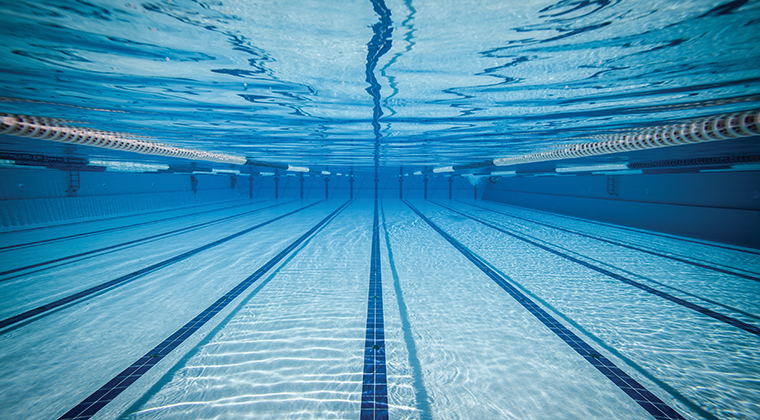
Swimming is one of the best-known forms of exercise for cardiovascular fitness, strength and mobility, but its potential benefits may extend into an area we talk about far less: sexual wellbeing.
There isn't strong evidence that swimming itself is a direct treatment for low libido or sexual dysfunction. However, a growing body of research suggests that regular physical activity can support sexual function in both men and women. Swimming offers many of the same aerobic benefits while also being accessible to people who find higher-impact exercise difficult.
From cardiovascular health and circulation to stress, confidence, stamina and pelvic health, there are several ways spending more time in the pool could indirectly support a healthier and more satisfying sex life.
Can swimming improve your sex life?
Potentially — although it is more accurate to say that regular exercise can support many of the physical and psychological factors involved in sexual function.
A systematic review examining physical activity and sexual function in adults found aerobic exercise particularly promising for improving erectile function in men, although the researchers noted that considerably less research had been conducted in women.
More recent evidence is beginning to fill that gap. A 2026 systematic review and meta-analysis involving studies of women found that exercise interventions were associated with improvements across areas including desire, arousal, lubrication, orgasm, satisfaction and pain during sex, although the researchers rated the overall certainty of the evidence as low because the studies varied considerably.
That doesn't mean a few lengths of the pool are a prescription for better sex. Sexual desire and function are complex and can be affected by hormones, relationships, stress, medication, menopause, physical health and mental wellbeing. But regular movement can influence several of those contributing factors.
1. Swimming supports cardiovascular health and circulation
Sexual function and cardiovascular health are closely connected, particularly when it comes to erectile function.
Aerobic exercise strengthens the cardiovascular system and can improve vascular function. A 2023 systematic review and meta-analysis of 11 randomised controlled trials found that regular aerobic exercise produced statistically significant improvements in erectile function, with some of the greatest improvements seen among men who initially had more severe erectile dysfunction.
Swimming is an aerobic activity that works much of the body while placing relatively little strain on the joints. Regular swimming can contribute towards cardiovascular fitness while developing strength, mobility and endurance.
Although studies looking specifically at swimming and sexual performance are limited, improving cardiovascular fitness may support some of the physiological processes involved in sexual response.
2. It may help with stress — one of libido's biggest enemies
Sexual wellbeing isn't purely physical.
Stress, anxiety, tiredness and low mood can all affect desire and our ability to relax and enjoy intimacy. This is one reason swimming's psychological benefits could be just as relevant as its physical ones.
Swimming has been associated with improved mood and reduced stress, while research commissioned by Swim England has highlighted its potential contribution to both physical and mental wellbeing.
There can also be something particularly restorative about being in water. Swimming gives us a period away from phones, emails, notifications and the constant stimulation of everyday life. The repetitive rhythm of breathing and movement can create a welcome mental pause.
And when stress is one of the things standing between you and intimacy, creating more opportunities to switch off may matter.
3. Exercise can support sexual function in women
For years, discussions about exercise and sexual health focused disproportionately on men and erectile function. Research into women's sexual wellbeing is now expanding.
A 2026 systematic review and meta-analysis found that a range of exercise programmes had positive effects on women's sexual function. The interventions studied included aerobic, resistance, pelvic-floor, core, aquatic and mind-body exercise.
Exercise may be particularly interesting during midlife. Menopause can affect desire, arousal, vaginal comfort, sleep, mood and body confidence, all of which can influence sexual wellbeing.
A systematic review and meta-analysis examining menopausal women found physical exercise interventions could have favourable effects on sexual function, although researchers emphasised that more high-quality research is still needed.
Another analysis involving 1,127 postmenopausal women found that exercise programmes lasting around 12 weeks had a positive effect on sexuality as well as psychological menopausal symptoms.
Swimming won't address every cause of changes in sexual function during menopause, but as an enjoyable form of regular movement it can form part of a wider approach to looking after physical and emotional wellbeing.
4. What about swimming and your pelvic floor?
This is one area where some of the advice surrounding swimming needs updating.
Older claims have suggested that breaststroke is particularly effective for strengthening the pelvic floor because bringing the legs together causes these muscles to contract. Current evidence doesn't support recommending swimming as a specific pelvic-floor treatment.
NICE states that there is currently no evidence to say that unsupervised activities such as swimming either improve or worsen symptoms of pelvic-floor dysfunction.
That doesn't make pelvic-floor health any less important.
The pelvic-floor muscles support the bladder, bowel and pelvic organs and play an important role in sexual function. NHS guidance notes that strong, well-functioning pelvic-floor muscles can improve sexual function in women, while in men they contribute to erections and sexual function.
If strengthening your pelvic floor is your goal, targeted pelvic-floor muscle exercises are therefore a better evidence-based choice than relying on a particular swimming stroke.
5. Swimming builds stamina without the high impact
One of swimming's great advantages is that water supports the body.
Unlike running and many other land-based activities, swimming places relatively little impact on joints. That can make it an attractive way to exercise for older adults, people with mobility difficulties and some people living with long-term health conditions.
Swimming also works multiple muscle groups while developing aerobic fitness, strength and endurance.
Those benefits aren't exclusively about sexual performance, of course. But feeling physically stronger and having greater stamina can influence how energetic and comfortable we feel in everyday life — including during intimacy.
6. Feeling better in your body can matter too
There is another part of sexual wellbeing that can't be measured simply through cardiovascular fitness: how we feel about ourselves.
Regular exercise can give us a stronger sense of what our bodies can do, rather than focusing exclusively on how they look. Swimming can be particularly powerful in this respect because progress might mean swimming another length, improving a stroke, becoming less breathless or simply feeling more confident in the water.
That shift towards appreciating your body for its strength and capability may have benefits beyond the pool.
Sexual confidence is complicated and deeply individual, but feeling healthier, stronger and more connected to your body can contribute to overall wellbeing and potentially to intimacy too.
Is swimming good exercise during midlife and beyond?
One reason swimming deserves particular attention is its accessibility across different stages of life.
Running, jumping and high-impact workouts aren't suitable or enjoyable for everyone. The buoyancy of water reduces loading on the joints, while swimming can still provide a meaningful cardiovascular workout. Swim England's research into swimming and health has highlighted its potential for people of different ages and abilities, including those living with long-term conditions or physical impairments.
This may become increasingly important as we get older. Maintaining cardiovascular fitness, muscular strength, mobility and confidence can help us remain active and independent — and sexual wellbeing can remain an important part of quality of life throughout adulthood.
Which swimming stroke is best?
There isn't currently good evidence showing that one swimming stroke is superior to another for sexual health.
Instead of worrying about whether breaststroke, front crawl or backstroke is "best", choose the stroke that allows you to swim comfortably and consistently.
If you want to improve cardiovascular fitness, gradually increasing the duration or intensity of your sessions may be more useful than concentrating on a particular stroke. If you have a medical condition, are recovering from surgery or haven't exercised for some time, seek appropriate medical or physiotherapy advice before significantly increasing your activity.
How often should you swim?
You don't need to become a competitive swimmer to benefit from being more active.
NHS guidance suggests that several 30–45 minute sessions of moderate-to-vigorous swimming each week can contribute towards recommended physical activity levels.
However, consistency is more important than turning every pool visit into a punishing workout. If you're returning to exercise, start with a duration that feels manageable and gradually build from there.
Swimming lengths isn't the only option either. Aqua classes, gentle water exercise and simply becoming more active in the pool can provide alternative ways of moving.
So, can swimming really boost your libido?
The answer is a little more nuanced than the original claim that swimming automatically leads to better sex.
Research increasingly suggests that physical activity can support sexual function, with evidence of benefits for erectile function in men and growing evidence for improvements in sexual function among women.
Swimming provides an accessible way to gain many of the wider benefits of exercise: improved cardiovascular fitness, greater stamina, strength, mobility and potentially better mental wellbeing.
Those benefits can address some of the factors that influence desire and sexual function, from circulation and energy to stress and confidence.
Perhaps that's the more useful way to think about the relationship between swimming and sex. The pool isn't a miracle libido booster. But looking after your cardiovascular health, staying active, reducing stress and feeling more connected to your body are all important parts of wellbeing — and sexual wellbeing doesn't exist separately from the rest of our health.
Sometimes, taking care of one can help take care of the other.
Filed underStress & burnout, Injury & recovery, Women's health & hormones, Fitness & movement, Connection, Energy & vitality