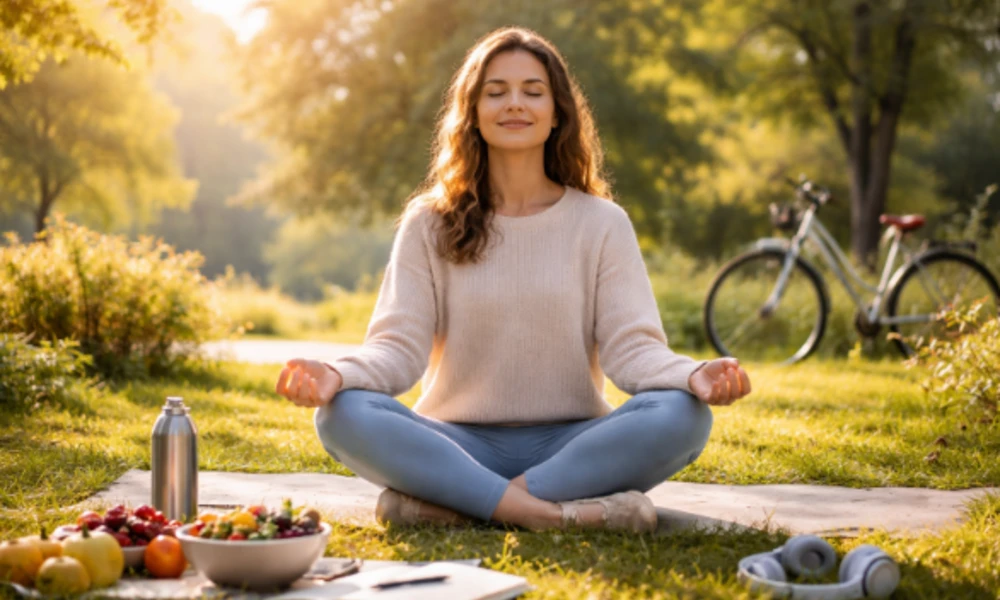
Wellness Retreats: A Restorative Escape for Body and Mind
A wellness retreat arranged with Healing Holidays can offer the space, guidance, and specialist support needed to step away from everyday pressures and focus on your physical, mental, and emotional well-being.

A wellness retreat arranged with Healing Holidays can offer the space, guidance, and specialist support needed to step away from everyday pressures and focus on your physical, mental, and emotional well-being.
Modern life rarely leaves much room for genuine rest. Busy schedules, digital distractions, professional responsibilities, and family commitments can make it difficult to slow down—even when the body and mind are asking for a break. A wellness retreat provides an opportunity to pause with purpose. Rather than being a conventional holiday centred only on sightseeing or entertainment, it is a carefully designed experience intended to help you feel healthier, calmer, and more balanced.
Retreats vary considerably in their setting and approach. Some focus on relaxation and stress management, while others provide structured programmes for fitness, nutrition, sleep, emotional health, or spiritual development. Whether you choose a quiet countryside hideaway, a coastal resort, or a secluded mountain sanctuary, the most valuable retreats combine an inspiring environment with professional expertise and time for personal reflection.
What Is a Wellness Retreat?
A wellness retreat is a dedicated break during which activities, treatments, meals, and surroundings are selected to support well-being. Guests may participate in yoga, meditation, fitness sessions, therapeutic treatments, nutritional consultations, nature walks, or educational workshops. Many retreats also include personalised assessments so that the programme can be adapted to individual needs and goals.
Unlike a busy spa weekend, a retreat usually follows a broader and more intentional philosophy. The aim is not simply to provide temporary relaxation but to encourage lasting improvements. Guests are often introduced to healthier routines that can be continued after returning home, from mindful breathing and better sleep habits to balanced eating and sustainable exercise.
The experience does not have to be highly demanding. Some people benefit from an intensive schedule, but others need freedom, privacy, and unstructured rest. A good retreat respects these differences and creates a programme that feels supportive rather than overwhelming.
The Benefits of Taking Time Away
One of the most immediate benefits of a wellness retreat is the separation it creates from everyday stress. Changing your environment can interrupt familiar patterns and make it easier to recognise habits that may be affecting your health. Without constant notifications, household tasks, or workplace demands, you can pay closer attention to how you feel.
Rest is another important benefit. Many people arrive at retreats feeling mentally tired or physically depleted. A calmer schedule, nourishing food, restorative treatments, and improved sleep can help the nervous system settle. Even a relatively short stay may provide the breathing room needed to regain perspective.
Retreats can also renew motivation. It is often easier to adopt healthy behaviours when you are surrounded by encouraging professionals and people with similar aims. Daily movement, wholesome meals, and mindfulness practices become part of the experience rather than additional tasks squeezed into an already crowded routine.
Perhaps most importantly, a retreat can strengthen self-awareness. Quiet moments and guided practices may help you identify what restores your energy, what drains it, and which changes would make daily life feel more manageable.
Different Types of Wellness Retreats
There is no single retreat format that suits everyone. Understanding the main options can help you choose an experience aligned with your priorities.
Yoga and meditation retreats typically combine physical postures, breathing exercises, and guided contemplation. They can be suitable for beginners as well as experienced practitioners, provided the teaching level is clearly explained. These retreats are particularly appealing to people seeking calm, flexibility, and a deeper connection between body and mind.
Fitness retreats offer a more active programme. Activities may include strength training, hiking, swimming, Pilates, cycling, or one-to-one coaching. Although some are intensive, many take a balanced approach and accommodate different fitness levels.
Detox and nutrition retreats place greater emphasis on food and digestive health. They may feature plant-based menus, nutritional guidance, cooking demonstrations, or medically supervised programmes. It is important to understand exactly what a retreat means by “detox,” as approaches can range from sensible dietary support to highly restrictive regimes.
Spa and relaxation retreats focus on recovery through massage, hydrotherapy, thermal bathing, and other restorative treatments. They are often a good choice for guests experiencing stress, fatigue, or muscular tension.
There are also specialist retreats addressing sleep, weight management, burnout, menopause, emotional healing, and healthy ageing. Some combine conventional medical expertise with complementary therapies, offering a more integrated approach.
How to Choose the Right Retreat
Begin by identifying what you hope to achieve. A broad intention such as “I want to feel better” is understandable, but a more specific goal will make it easier to compare programmes. You may want to improve your sleep, rebuild energy after a stressful period, develop a consistent fitness routine, or simply enjoy uninterrupted rest.
Next, consider the level of structure you prefer. Some retreats provide a detailed daily timetable, while others allow guests to select treatments and activities as they go. A structured programme can create momentum and accountability, but a flexible stay may be more appropriate if you already feel over-scheduled.
The qualifications of the team also matter, especially when a programme makes medical or therapeutic claims. Look for clear information about the doctors, therapists, nutritionists, trainers, or instructors involved. If you have an existing health condition, take professional medical advice before beginning an intensive fitness, fasting, or detox programme.
Location can shape the entire experience. Long-distance travel may lead to a spectacular destination, but it can also add fatigue. A retreat closer to home may be more convenient and still provide the change of scene you need. Climate, accessibility, privacy, and the surrounding landscape should all form part of the decision.
Finally, examine what is included in the price. Accommodation and meals may be standard, while consultations, tests, classes, and treatments can sometimes cost extra. Knowing the full details in advance prevents unwelcome surprises.
What to Expect During Your Stay
Many retreats begin with an arrival consultation or wellness assessment. This gives the team an opportunity to understand your aims and recommend suitable activities. Depending on the retreat, your schedule might include morning meditation, a fitness class, a nutritious breakfast, a treatment, free time, and an evening workshop.
The first day or two can involve an adjustment period. Slowing down may initially feel unfamiliar, particularly if you are accustomed to being constantly busy. Reduced caffeine, dietary changes, physical activity, or less screen time can also affect how you feel. Allow yourself time to settle without judging the experience too quickly.
Participation is usually encouraged, but you should also listen to your body. Rest can be as valuable as activity. Missing a class because you need an afternoon nap or quiet walk does not mean you are failing to make the most of the retreat.
Packing should reflect the programme and location. Comfortable clothing, suitable footwear, swimwear, sun protection, and a reusable water bottle are common essentials. Bringing a notebook can also be helpful for recording insights, recommendations, and routines you want to remember.
Making the Benefits Last
The return home is where the real value of a retreat becomes clear. It is tempting to attempt a complete lifestyle transformation, but dramatic changes are often difficult to maintain. Instead, select two or three realistic habits that made the greatest difference during your stay.
You might continue with ten minutes of meditation each morning, prepare a nourishing breakfast, take a daily walk, or establish a consistent bedtime. Small actions repeated regularly usually have more impact than an ambitious plan abandoned after a week.
It can also help to create boundaries around technology and work. A screen-free evening, a protected lunch break, or one quiet weekend morning may preserve some of the mental space you experienced while away.
Keep any personalised advice provided by the retreat team and arrange follow-up support where appropriate. Some retreats offer remote consultations, digital classes, or ongoing coaching. These resources can provide accountability while you adapt new practices to real life.
An Investment in Sustainable Well-Being
A wellness retreat is more than an escape from a demanding routine. Chosen carefully, it can be a practical opportunity to rest deeply, receive expert guidance, and reconsider how you care for yourself. The peaceful setting may begin the process, but the most meaningful outcome is a clearer understanding of what your well-being requires.
You do not need to return home with a completely new identity or a perfect routine. Feeling more rested, gaining a few useful tools, and making one sustainable change can be enough to create lasting value. In a culture that often treats exhaustion as normal, deliberately making time for recovery is not an indulgence—it is an important form of care.
Filed underStress & burnout, Meditation & mindfulness, Yoga & Pilates, Fitness & movement, Rest & rejuvenation, Sleep, Retreat, Spa