What Armenia’s Mountains, Music, and Unhurried Pace Teach Us About Stress Relief
There is a distinct kind of feeling that comes with travelling the world for work, so much more than when travelling for pleasure.
There is a distinct kind of feeling that comes with travelling the world for work, so much more than when travelling for pleasure. The cognitive weight we carry with us. Fatigue, that’s the inevitable toll of early alarms. And eating at unusual hours in transit. But there is also a sense of happiness.
Renowned journalist Ash Bhardwaj wrote the book ‘Why We Travel’, in which he explored the science and psychology behind human motivation and behaviour to explain why we feel the urge to travel. Before my trip to Armenia, I was also curious about the real reasons and feelings people have about travelling.
As I was jetting off to Armenia, my fourth trip within a six-week period––yes, my mind was full, my body was tired, and yet beneath all the exhaustion was that familiar butterfly of curiosity that keeps driving me over and over again to the airport tarmac. On this trip to Armenia, I looked for things that would make my day-to-day experience feel worthwhile, not necessarily based on spa treatments.
Music, Mountains, and Mindful Grounding
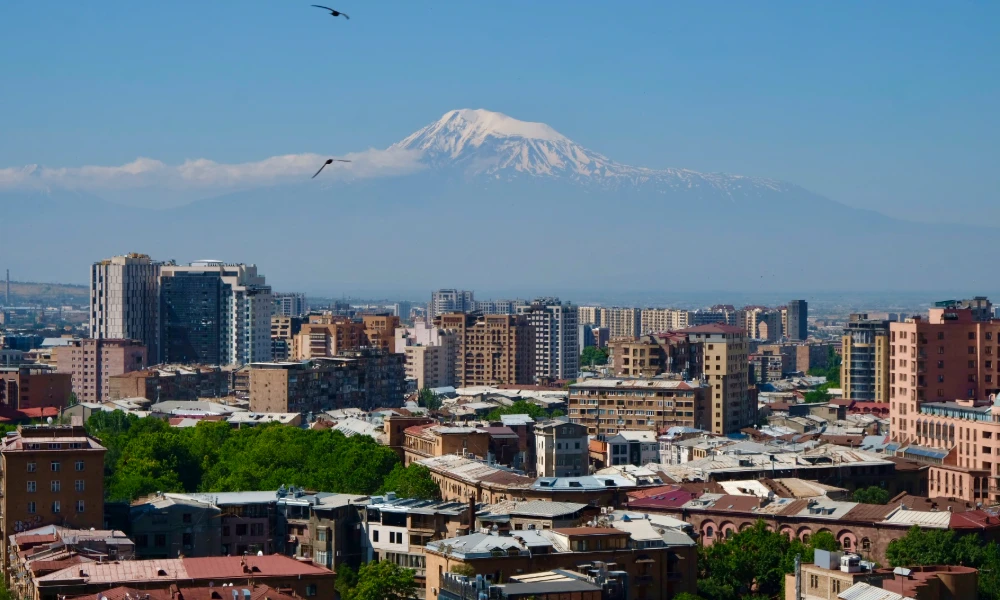
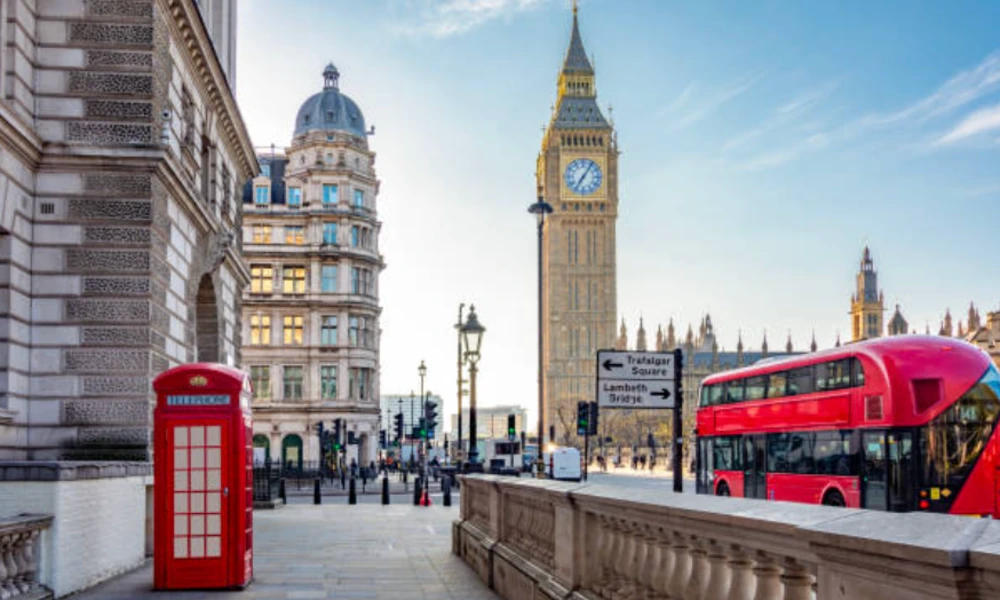
Firstly, flying to Yerevan, the capital, this was the first time since October 2014 that a direct flight had been available, thanks to Wizz Air flying out of Luton Airport. The first flight took off on June 8th. A brilliant, small, family-run agency, Phoenix Tour, invited me, and I was amongst the first journalists to have the luxury of travelling there a couple of weeks later. Although return flights back to Luton currently arrive late, well past 1am, you can book a hotel as I did and stay at Holiday Inn using the trusted Holiday Extras for a stress-free night’s sleep.
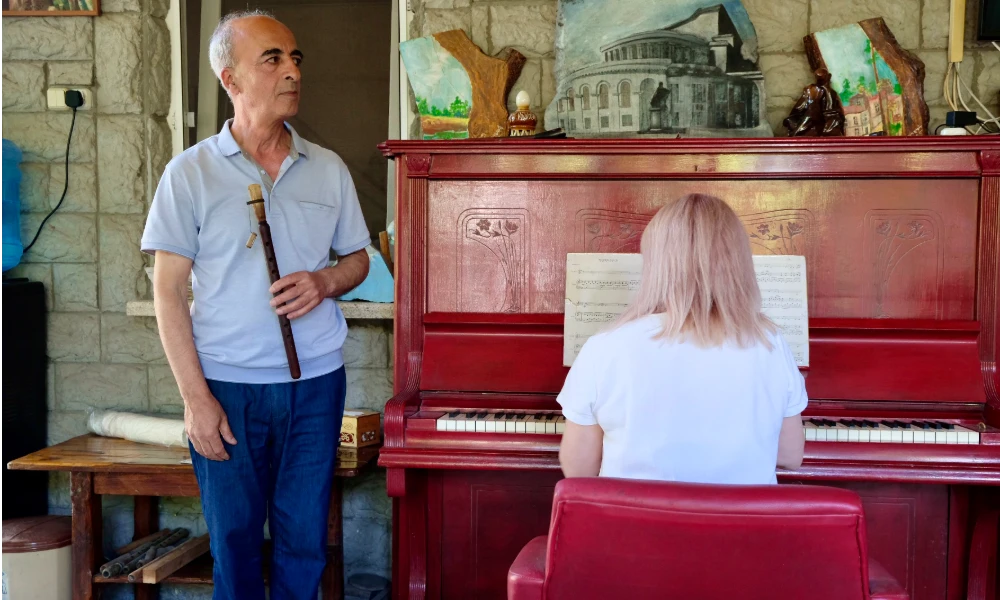
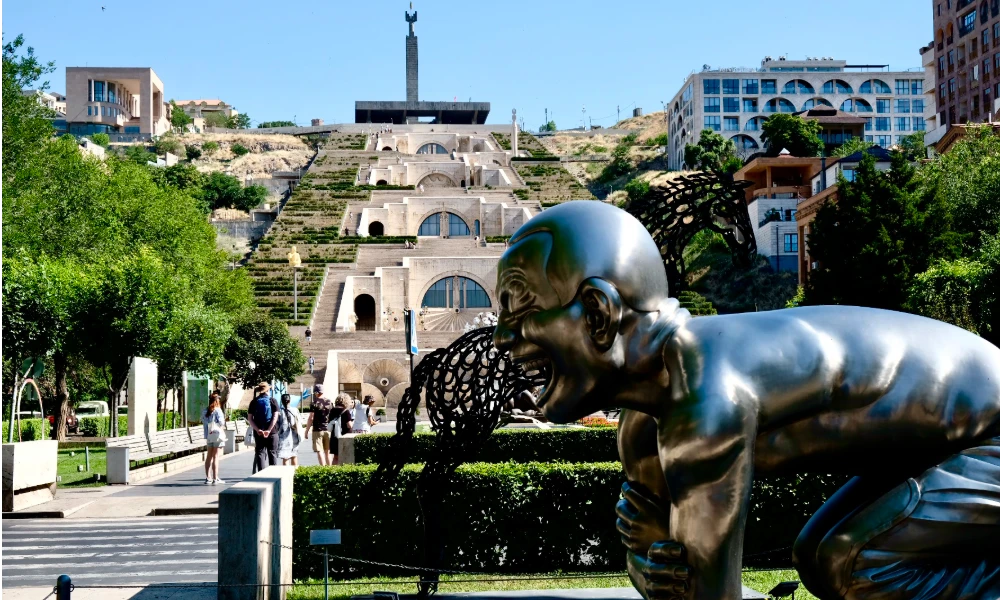
Arriving in Yerevan, I could look directly out onto the iconic Republic Square from my hotel, where I watched families lingering long past midnight, children chasing each other, and tourists sipping coffee. But the emotional heart of the journey lay deeper within my experiences. In the house of duduk master Karen Hakobyan, I sat a few feet away to experience traditional Armenian melancholy music. Hearing it live, accompanied by his wife on the piano, the warm, resonant tone was a supremely spine-tingling moment. Whether myth or reality, the piano was originally gifted to the Belgian royal family and ended up in Hakobyan’s hands, with members of the Belgian royal family visiting years later after hearing of it.
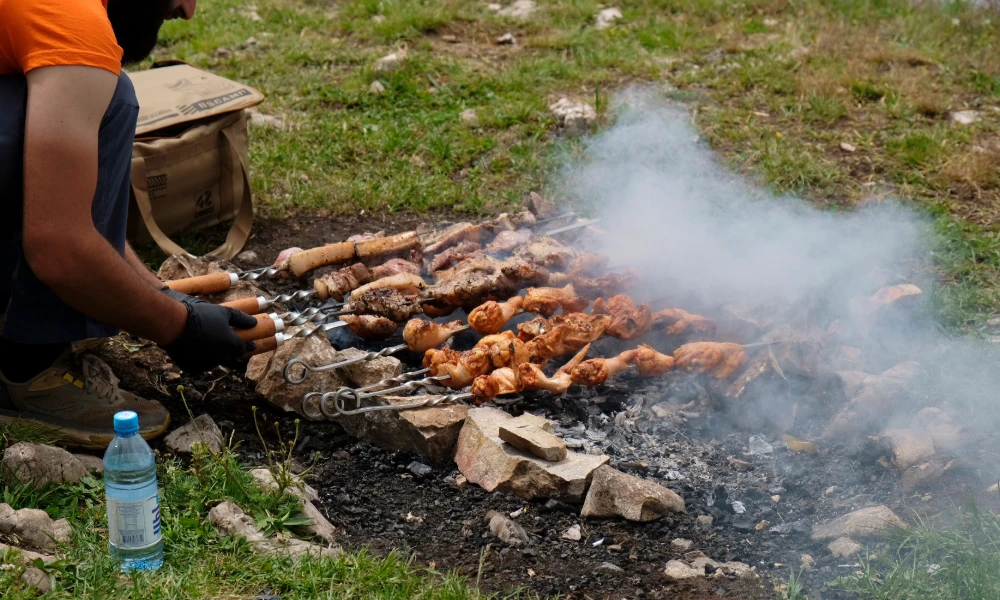
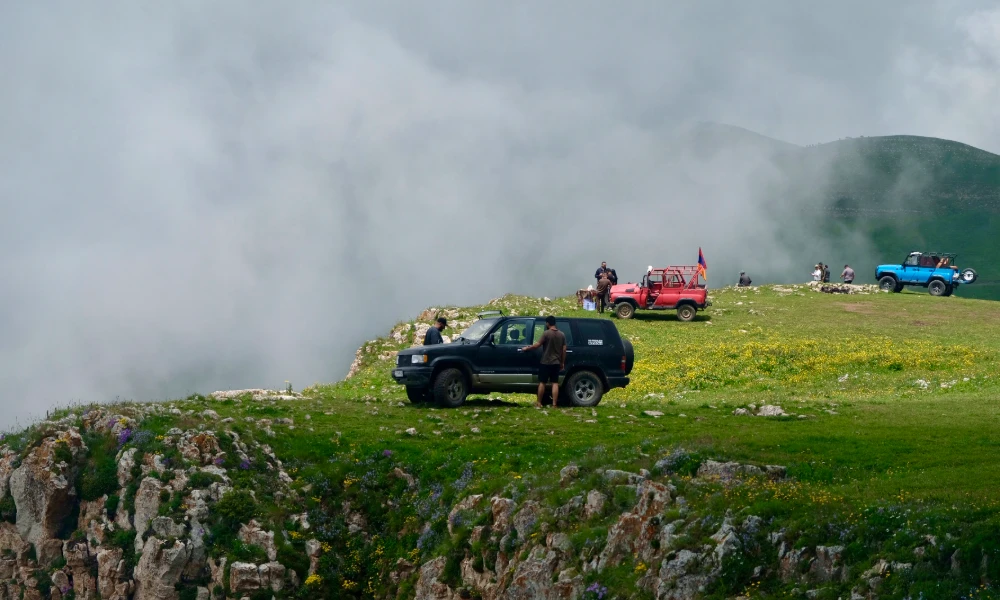
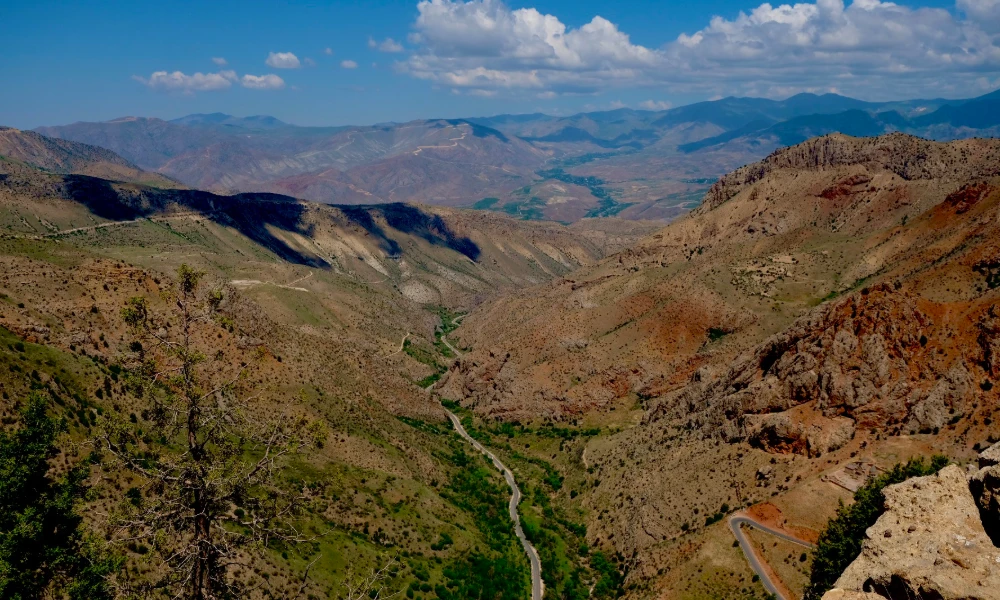
If the music offered inner peace, bouncing along the rough tracks of Gnishik Canyon in a jeep, surrounded by towering cliffs, and seeing the view from the top was stunning. Later in the week, we rode out to 2,500 metres at Mount Dimats, often referred to as the ‘Switzerland of Armenia’, which left me speechless. With zero mobile signal and clouds sweeping across endless mountain peaks, I sat over a beautifully prepared outdoor picnic, tasting local food and admiring the view. Both experiences were exemplary.
The Harmony of Routine and Fluidity
During my journey, I had the pleasure of exploring with Ani Gevorgyan, Product Manager at Phoenix Tour, who splits much of her time between London and Yerevan, with London as her permanent home. When I asked if returning to Yerevan feels like a reset for her mental well-being compared to the fast pace of London life, she went into detail by telling me, “In many ways, yes, although I would describe it less as an escape and more as a recalibration. London has taught me to be very independent and disciplined. Yerevan reminds me to slow down and be present. A coffee can turn into a two-hour conversation, lunch can become dinner, and plans are often much more fluid. I find a spontaneity to social life that feels liberating.”
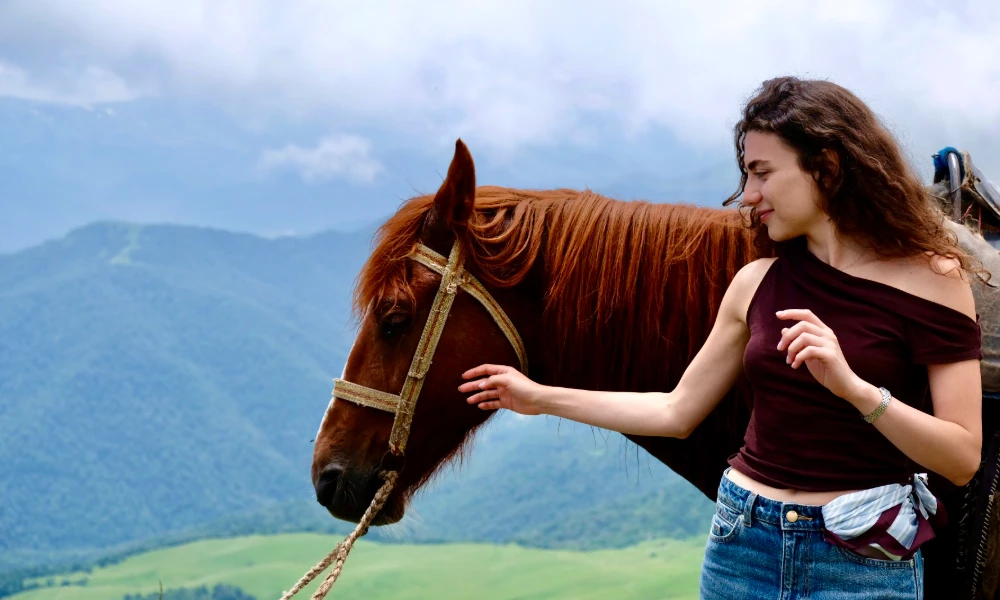
She carried on by telling me, “Interestingly, I also find that I return to London with a renewed appreciation for some of the structure and discipline of life there. So for me, the wellbeing benefit comes from having both experiences. Armenia reminds me that life doesn’t always have to be optimised, whilst London reminds me of the value of routine and structure.”
Heritage, Connection, and Lingering Over Food
So how does staying so closely connected to Armenian heritage through her work impact her wellbeing whilst living in London? Gevorgyan said, “Working for Phoenix Tour gives me a natural way to maintain that connection. I get to travel back home regularly, but I also get a huge amount of enjoyment from representing Armenia abroad. There is something special about sharing a place that is personally meaningful to you with people who have never experienced it before.”
She added, “There is also a physical familiarity to being home—the food, the landscape, the sounds, even the way people interact with you. I think all of these things contribute to a feeling of ease that is difficult to replicate when you live abroad. It is not necessarily that life in Armenia is less stressful, but the sources of comfort are much more instinctive and familiar to me.”
Talking of food, another aspect of Armenian culture you’ll instantly love is the cuisine. The pace at which you eat also affects how you feel. Last year, I learnt at a retreat in Austria that eating slowly and chewing your food 30 times has real health benefits. Having experienced long meals in Armenia, Gevorgyan clarified how the way you eat can shape your wellbeing.
“The pace of eating matters, too. Meals tend to be something you linger over rather than something squeezed into a busy schedule. You sit around a table, talk, share dishes and inevitably eat more than you planned because the host will always insist you try something else. I think that is an important part of nourishment too. Wellbeing is not only about what we eat, but also how we eat, whom we eat with and whether we actually give ourselves time to enjoy it.” She explained.
Armenia’s Wellness Secrets
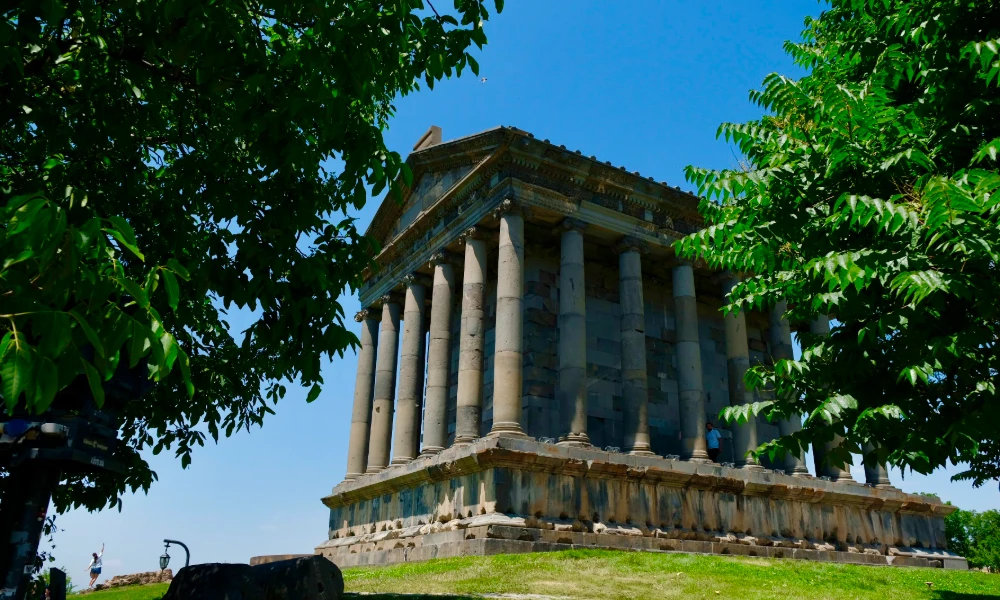
Although I said I wanted a zen-feel trip without needing a massage, no wellbeing trip is complete without visiting spas, and I visited plenty during my stay. They specialise in so much, as Gevorgyan told me. “Armenia has a growing wellness culture, from spa towns like Jermuk to an asthma clinic buried 250 metres into a salt mine, offering a fascinating combination of traditional healing, natural therapies and unique experiences shaped by the country’s landscape. I particularly like the idea of wellness in Armenia because it doesn’t always feel like another item on a productivity checklist. It can be combined with travel, nature, food and simply spending time with people.”
The Physical Toll vs. Mental Vitality: How Frequent Travel Shapes Us
As I said, this was my fourth trip in six weeks. Are the air miles good for me or a strain on my body? Studies and reports over the years have examined how frequent travel can affect your body. Travel enthusiasts like myself often have varying perspectives on the impact of long-term travel. When I spoke with two industry colleagues, they shared views based on how travel has affected their bodies. Travel blogger Erick Prince from Minority Nomad believes, “I can’t think of anything specifically travel-related that would negatively impact health as a long-term travel professional.” On the other hand, travel writer Brianne Miers shares a contrasting view, stating, “I developed severe G.I. (Gastrointestinal tract) issues that doctors guessed were from collecting different bacteria from all over the world.” These differing opinions highlight the complexity of frequent travel.
Travelling exposes you to different cultures and perspectives, and Armenia was no different. Statistics from the UN Tourism show that travellers believe their experiences have made them more open-minded and tolerant. So, judging by those statistics, exposure broadens your horizons, enables deeper connection, and leaves you mentally enriched.
I recall a conversation I had with renowned travel expert Mariellen Ward a few years back. As she permanently moved to India, she told me, “I’m like the Baron Munchausen (fictional character). I get younger when I go travelling and have more adventures. I just have to pace myself now that I’m 62. I don’t have as much energy, but I love exploring different cultures.”
Lower Cortisol, Higher Purpose: Climate, Movement, and Pain Management
Travelling, no doubt, has cognitive benefits; even if it is for work and I feel tired, it is a stimulating mental exercise for me. Contrary to the stress-inducing aspects of travel, exploring new destinations can also be a powerful stress reliever. A study in the journal ‘Psychosomatic Medicine’ found that travel can lower cortisol levels and reduce stress. It can also help heal parts of your body if you are in a warm climate, as travel content marketing writer Georgie Darling explained to me. “Travel might actually benefit my body physically. I’m from the UK and have nerve/disc damage in my lower back. It’s significantly less painful when I’m in a warm country (which I have been since 2019) than when I’m back home.” Darling’s results may differ for other individuals.
Travel can empower people with physical disabilities, as the photographer I spoke to, who simply goes by the name David, expressed to me about his condition. “Guess it depends on the travel and what you do. If I go away, I return to rest, as I do 15+ miles a day when away, as opposed to 4-5 miles daily at home. For me, daily exercise manages my disabilities better than no exercise, but again, that depends on the person.”
He further went on to tell me, “Plane travel is incredibly painful for me. But I still look at my Canada pictures with great memories that I will never regret. If the memories outweigh the pain(s), it was all worth it.”
The Ultimate Lesson in Wellbeing
What are the well-being benefits of Armenia, and why is travel so impactful? Ani Gevorgyan summed it up. “Armenian culture has taught me the value of keeping social time a little less structured. I think we underestimate how restorative ordinary human connection can be. You don’t necessarily need a wellness retreat to feel better. Sometimes you need good food, people you love, a little fresh air and nowhere else you urgently need to be. That, for me, is one of the most valuable things Armenia gives me whenever I return.”
Filed underBack pain, Stress & burnout, United Kingdom, Spa

About the author
Shebs AlomJournalist
Shebs Alom is a highly respected, award-winning broadcaster, writer, and podcaster. Major media outlets, including the BBC, The Express, Marriott Bonvoy and Travel Weekly, have featured Shebs’ work and commentary. He is dedicated to inspiring a more representative and thoughtful approach within the sector.