What is Gratitude Meditation?
Meditation comes in many shapes and sizes. Meditation isn’t‘one size fits all’ - what works for one person may not resonate with somebody else. A common…
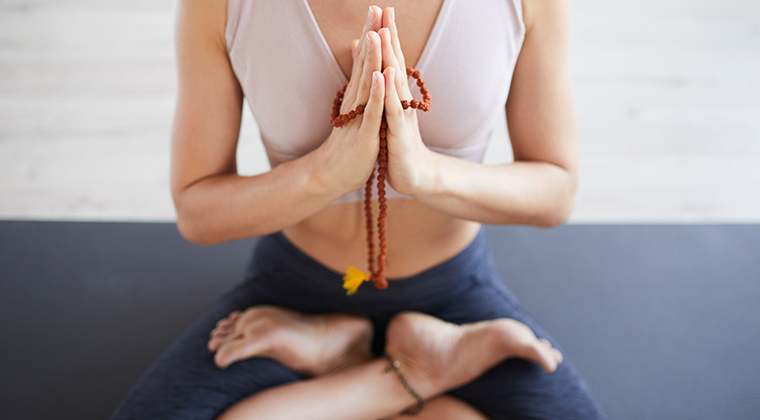
Meditation comes in many shapes and sizes. Meditation isn’t‘one size fits all’ - what works for one person may not resonate with somebody else. A common misconception of meditation is the idea that to meditate you must sit and wait for the mind to go blank, after which we get frustrated when all we can hear is the inner dialogue of the mind, decide we can’t practice meditation and give up. The results: feeling more stressed and anxious than when we started.
We want to help to correct this misconception. Meditation can be practiced moving, at any point, in any place, for varying lengths of time. It can be to music, it can be guided, and it can use breath-work.
What is Gratitude Meditation?
Gratitude Meditation is a style of meditation which encourages us to mindfully focus on the things and people we are deeply grateful for. This type of meditation practice allows us to self-reflect, and is strongly and consistently associated with a greater sense of happiness and well-being.
In many ways, instant gratification as become the norm and to seek fulfilment, we indulge in the things that often make us feel good right away, as opposed to investing time in things that will make us feel content more fully and permanently. Through meditation, our mind recognises that it does not need instant gratification in the external world to feel validated, joyful and at peace.
How does it work?
In the hustle and bustle of our day-to-day lives, focusing on expressing gratitude for everything in our lives; our bodies, our senses, our loved ones, can help us to stay positive and satisfied. One way we can enhance our experiences, is to live and think through the lens of gratitude, which alters our perspective and can result in a more positive, joyful life.
Practicing gratitude can be simply taking that time in our day to reflect on all that you are grateful for. Make a conscious effort to appreciate what makes us feel good. Buddhist monks use gratitude meditation morning and night, to reflect on their day, noting everything that helped them survive: the good and the bad.
Benefits of Gratitude Meditation
Counting our blessings and feeling gratitude can help us toincrease our optimism, relieve depression, lower stress and improve immune function, reduce blood pressure and strengthen our relationships.
How you can practise Gratitude Meditation
Here are some simple ways in which you can practise Gratitude Meditation in your day-to-day life:
• Slowing down to enjoy and appreciate the food you eat.
• Taking a moment to take a deep breath and ground yourself.
• Valuing the people in your life and the joy they bring.
• Appreciating all that your body does for you on a daily basis.
• If you hear, smell or see something you find irritating – instead be grateful for your senses.
• Before going to bed, write down or think of any three things you are grateful for.
• When you wake up, before getting out of bed, make a conscious decision to be more content.
• Keep a journal to remind yourself of all there is to be grateful for.
Together, let's make a conscious effort to truly appreciate all that makes us feel good, and be thankful.
Filed underAnxiety, Depression, Stress & burnout, Heart health, Meditation & mindfulness, Connection