
What Is Trauma Informed Care in Everyday Life
We often hear the phrase “trauma informed care” in health and education, but what does it actually look like beyond the clinic?
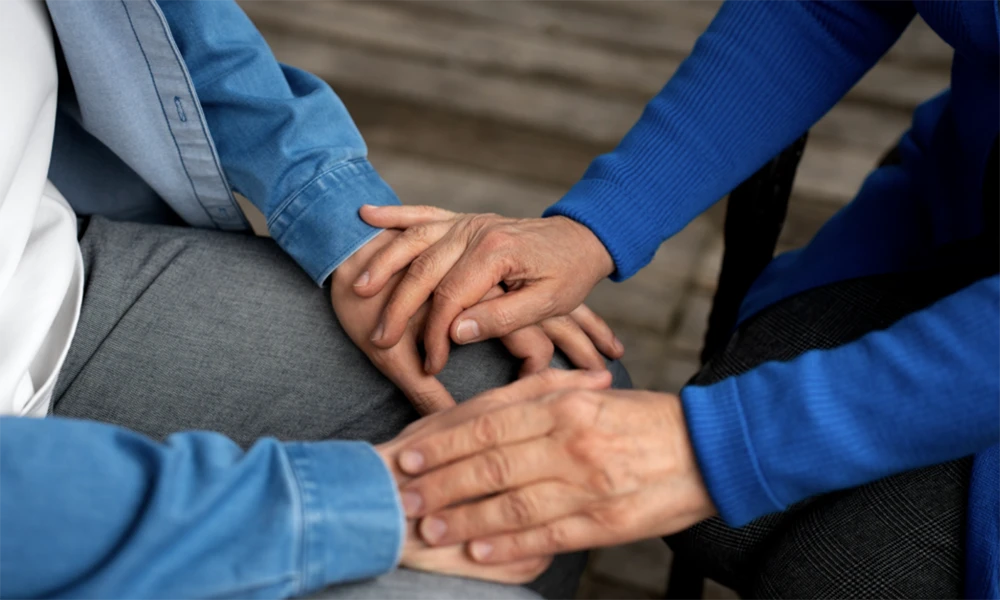
We often hear the phrase “trauma informed care” in health and education, but what does it actually look like beyond the clinic? In reality, its core principles aren’t just for counselors and therapists, but they can also guide how we treat ourselves and others at home, at work, and out in the world.
Understanding trauma informed care is a key first step to creating safer, more supportive spaces for everyone.
Image: Freepik
Core Principles of Trauma Informed Care Made Simple
Trauma informed care centers around a few core principles: safety, trustworthiness, choice, collaboration, and empowerment. The goal is to avoid triggering past trauma, minimize re-traumatization, and help people feel seen and understood, no matter what they’ve been through.
These principles are applied in clinical settings as individuals who have experienced trauma seek professional support. So what does that imply in their day-to-day lives or outside of the clinician’s office? At its core, trauma-informed care involves recognizing that everyone has a history, and we might not see the full picture just by looking at them. It’s a shift to asking, “What’s happened to you?” instead of “What’s wrong with you?”
This change in perspective can help us build empathy and reduce stigma, making interactions safer and more validating. In everyday life, this means approaching friends, coworkers, or family members with curiosity and patience, creating an environment where people feel more comfortable being themselves and seeking help if needed.
Translating Principles Into Daily Practices
You don’t need to be a mental health professional to implement the principles of trauma informed care in your life. It starts with small, intentional habits:
- Prioritize emotional and physical safety: If someone’s upset, or you’re feeling off, pause and check in before moving forward. Asking questions such as “Are you okay with entering this conversation right now?” can go a long way.
- Offer choices: Letting people know they have options can be a way to help them manage anxious feelings, whether it’s about dinner plans or how to handle a tense situation at work.
- Build trust in routines: Keeping your word and being consistent with daily routines reassures those who might be feeling vulnerable.
- Invite collaboration: Whenever possible, work together to solve problems or plan activities. This creates space for each person’s needs and voice.
Simple changes, like asking before hugging a friend, or explaining why you’ll be late, can help you show that others’ boundaries and comfort matter to you.
Grounding Techniques and Co-Regulation in Real Life
Science shows that grounding can help reset the nervous system after stress or triggers. Techniques such as focusing on the breath, feeling the texture of something in your pocket, or naming five things you see in a room can be calming in moments of overwhelm.
At home, you can use grounding techniques after arguments that may happen within your family or among friends. Children can also benefit from “calm corners” at school, allowing them to take breaks. Similarly, at work, it could mean taking a quiet moment after a difficult meeting.
You may also test the benefits of co-regulation, a process where calm behavior and tone by one person helps another regulate their emotions. This technique is often used in clinical settings, but it can also be beneficial in daily parenting, teaching, or teamwork.
Healthy Boundaries: Protecting Self and Others
Setting and respecting clear boundaries is a key principle of trauma-informed care. This could be simply letting your co-worker know you need quiet time in the mornings, or teaching kids to use “I statements” to voice their needs without fear. Modeling and respecting boundaries reduces anxiety and teaches that saying no is both allowed and healthy.
Trauma Informed Care in Clinical Practice
In clinical settings, trauma informed care shapes everything from intake forms to treatment plans. Many local mental health programs incorporate these principles into therapy, group settings, and even environment design.
If you or a loved one is considering trauma-informed care, consider a local expert, which gives you access to resources and help whenever you need them most. For example, if you reside in Massachusetts, providers in the area offer compassionate mental health treatment in Woburn, MA. In their approach, they embrace trauma sensitivity at every step, giving patients a voice in their care, making physical spaces less sterile or intimidating, and respecting each person’s pace and boundaries.
Trauma Informed Living for Stronger Communities
Everyday trauma informed care is about noticing, pausing, and responding with empathy, no matter where you are. As more workplaces, schools, and families adopt these ideas, communities can become safer for everyone, including the most vulnerable.
Want to learn trauma awareness and care approaches? Explore our collection of focused articles and magazine issues.


