When the Face Changes Suddenly: Recovery After Facial Trauma
A facial injury is different from most other physical injuries in one significant way: it changes how a person sees themselves every time they look in a mirror
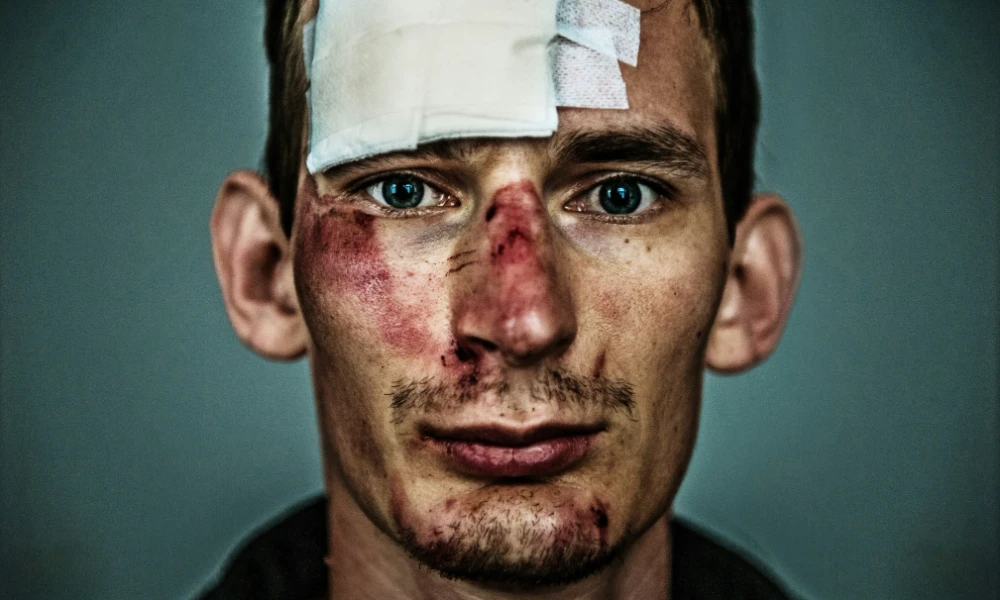
A facial injury is different from most other physical injuries in one significant way: it changes how a person sees themselves every time they look in a mirror, and often how the world responds to them in the meantime. Whether the cause is an accident, a fall, or an unexpected event, facial trauma tends to carry a psychological weight that other injuries don't carry in quite the same way. Recovery, in these cases, is rarely just physical.
The Face Is Not Just Another Body Part
Most injuries heal in relative privacy. A broken wrist can be covered by a sleeve. A facial injury cannot be hidden as easily, and that visibility changes the experience of healing. People recovering from facial trauma often describe a strange doubling: managing the physical repair while also managing how others react to them, sometimes before they've had time to process the change themselves.
This is part of why facial trauma recovery tends to sit at the intersection of medicine and mental wellbeing. The physical timeline, swelling going down, structures stabilising, function returning, doesn't always match the emotional timeline. Someone can be medically on track while still adjusting, privately, to what happened and what their face looks and feels like now.
Why Specialised Surgical Care Matters Early
Facial trauma involves a dense concentration of nerves, bone structures, and soft tissue working together for basic functions: chewing, speaking, expressing emotion. Treating it well requires more than addressing the visible injury. It requires understanding how the underlying structures relate to each other, so that function, not just appearance, has the best chance of being restored.
This is one reason facial trauma is often referred to an oral and maxillofacial surgeon rather than treated as a general injury. That specialty sits specifically at the junction of dental, facial, and jaw structures, which gives a practitioner working in it a more complete picture of how a facial injury affects the whole system, not just the point of impact. Early, coordinated care in the hands of someone trained specifically in this area can meaningfully shape both the physical outcome and how manageable the recovery process feels.
The Emotional Timeline Runs on Its Own Clock
It is common for people to underestimate how long the emotional side of recovery takes, partly because the physical side is more visible and easier to measure. Swelling has a rough timeline. Bone healing has a rough timeline. Coming to terms with a changed appearance, or with the memory of how the injury happened, does not follow the same predictable curve.
Some people find that they feel most affected weeks after the physical injury has largely resolved, once the adrenaline of the initial event has faded and the quieter work of adjustment begins. Others feel steady throughout and are surprised by a delayed wave of difficulty. Neither pattern is unusual. Recovery from trauma, facial or otherwise, rarely moves in a straight line.
Small Signs of Progress Matter
In the middle of a long recovery, it can be hard to notice incremental improvement. Practical markers, being able to chew a wider range of foods again, speaking without discomfort, feeling less self-conscious in a conversation, are often more meaningful to the person recovering than they might sound to someone on the outside. Naming these small returns to normal function can help make an otherwise slow process feel less indefinite.
Support from people who understand both sides of the recovery, the physical mechanics and the emotional weight, tends to make a real difference here. That might mean a care team who checks in on more than just the surgical site, or a support system that doesn't rush someone toward feeling "back to normal" before they're ready.
Choosing Care That Treats the Whole Picture
Facial trauma recovery benefits from providers who understand that the visible injury and the invisible adjustment are part of the same process. For anyone navigating a facial injury and looking for a surgical team with the training to manage complex cases, Peachtree Oral & Facial Surgery is one example of a practice built specifically around oral and maxillofacial trauma and reconstruction.
Healing Is Rarely Just One Thing
Facial trauma sits at an unusual crossing point between physical medicine, appearance, and identity. Recovering well tends to mean holding space for all of it: the surgical timeline, the practical return of function, and the slower, less linear process of feeling like yourself again. None of these pieces move at the same pace, and none of them are optional if the goal is to actually feel recovered, not just medically cleared.
Filed underInjury & recovery