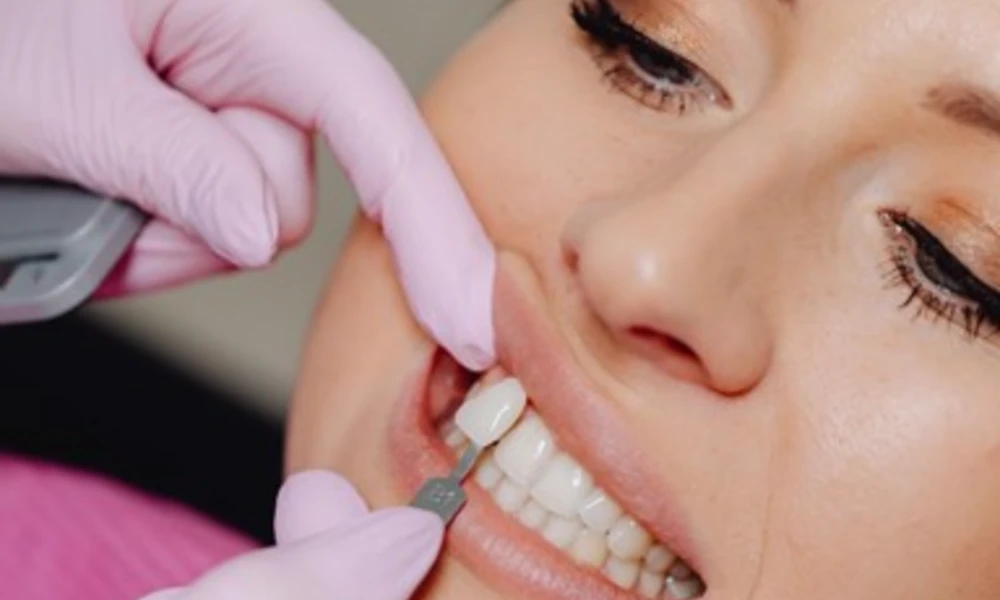
Why Replacing Missing Teeth Is About More Than Appearance
Missing teeth can certainly change the appearance of a smile, but their effects can reach much further into everyday life, influencing chewing, speech, bite…
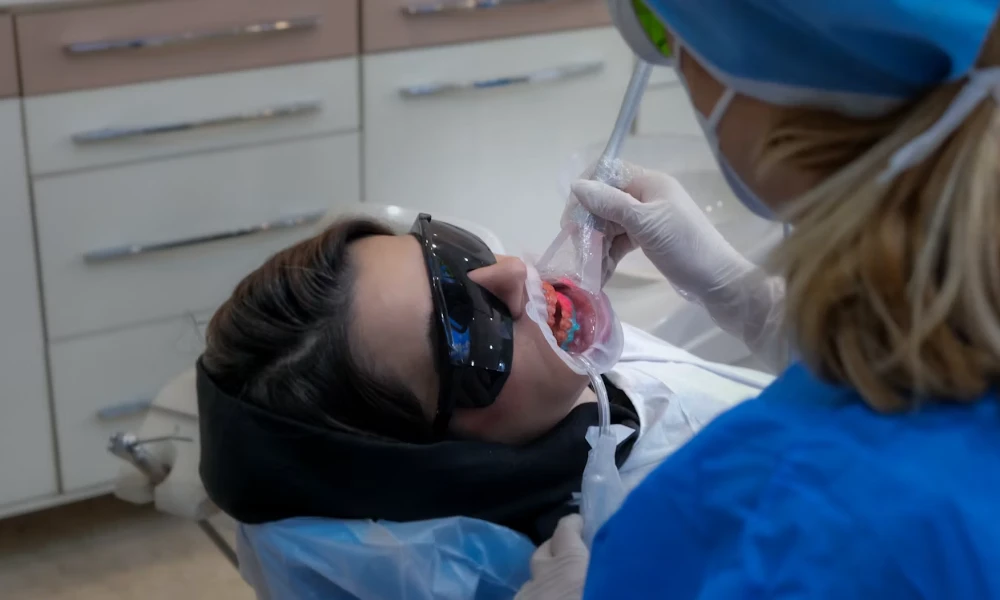
Missing teeth can certainly change the appearance of a smile, but their effects can reach much further into everyday life, influencing chewing, speech, bite function, and the health of surrounding structures. People researching professional options for restoring missing teeth can visit www.caresmiles.com, where Care Dental Implant and Cosmetic Center provides information about dental implants, full-arch tooth replacement, implant-supported dentures, and other restorative treatments in Pompano Beach, Florida. Understanding the practical consequences of tooth loss can help explain why replacing missing teeth is often about restoring function and protecting oral health rather than simply improving appearance.
Missing Teeth Can Change How You Eat
Every tooth has a role in biting, tearing, or grinding food, so losing even one can affect how efficiently the mouth handles meals. Missing molars may make firmer foods more difficult to chew, while missing front teeth can make biting into certain foods awkward. People sometimes compensate by chewing predominantly on one side without realizing how much their habits have changed.
Over time, difficulty chewing can influence which foods feel comfortable enough to eat regularly. Replacing missing teeth can restore useful chewing surfaces and make it easier to maintain greater variety in everyday food choices.
Tooth Loss Can Affect the Remaining Teeth
Teeth do not function independently because their positions are influenced by neighboring teeth and the way the upper and lower arches meet. When a tooth disappears, adjacent teeth may gradually tilt or drift toward the open space. The opposing tooth can also change position when it no longer has normal contact during biting and chewing.
These movements may alter the bite and create irregular spaces that are more difficult to keep clean. Changes in alignment can also affect how chewing forces are distributed, potentially placing additional demands on certain remaining teeth or existing restorations. Replacing a missing tooth can help preserve the space and support a more stable arrangement within the mouth.
The Jawbone Can Change After Tooth Loss
Natural tooth roots transfer forces into the surrounding jawbone during ordinary biting and chewing. After a tooth is removed or lost, the bone in that area no longer receives stimulation in quite the same way. Gradual changes in bone volume can therefore occur where the tooth once stood.
The amount of bone change varies between individuals and depends on factors such as oral health, the location of the missing tooth, and how much time has passed. Bone condition is especially important when dental implants are being considered because implants need adequate support within the jaw. Dental examinations and appropriate imaging can help determine the available bone and guide suitable treatment planning.
Speech May Be Affected Too
Teeth also contribute to speech by helping the lips and tongue control airflow and form particular sounds. Missing teeth, especially toward the front of the mouth, can change where the tongue makes contact and how air moves during pronunciation. Some people adapt quickly, while others continue to notice differences in clarity or certain sounds.
Replacing missing teeth can provide familiar surfaces for the tongue and lips to work against during speech. The effect will depend on which teeth are missing, how many have been lost, and the type of restoration used. Restoring the dental arch may therefore have functional benefits that extend well beyond the appearance of a completed smile.
Everyday Oral Care Can Become More Complicated
An empty space may initially seem easier to clean than a natural tooth, but changes around the gap can create new challenges. Food debris can collect around neighboring teeth, while shifting or tilted teeth may create awkward areas that are harder to reach with a toothbrush or interdental cleaning tools. Maintaining good plaque control becomes particularly important for protecting the remaining natural teeth.
Any tooth replacement also requires appropriate daily care to support its long-term function. Dental implants, bridges, and removable dentures have different cleaning requirements, while the gums and remaining teeth still need consistent attention. Regular dental examinations allow a professional to monitor these areas and identify developing problems before they become more difficult to manage.
Tooth Replacement Can Restore Everyday Function
There is no single tooth replacement method that is appropriate for every person. Dental implants, conventional bridges, removable dentures, and implant-supported restorations may be considered depending on the number and location of missing teeth, oral health, bone condition, and individual needs. A thorough assessment is important before deciding which approach offers the most suitable balance of function, maintenance, and longevity.
For someone missing several or all teeth in an arch, restoring stable chewing surfaces can make a substantial difference to daily routines. Treatment may improve the ability to bite and chew comfortably while also helping support speech and a balanced bite. These functional improvements demonstrate why restorative dentistry should not be viewed solely through the lens of cosmetic appearance.
Confidence Is Only Part of the Picture
A complete smile can influence how comfortable someone feels when speaking, laughing, eating, or appearing in photographs. For some people, replacing visible missing teeth reduces self-consciousness and makes social interactions feel more natural. These personal benefits are meaningful, but they exist alongside the physical and practical reasons for restoring lost teeth.
Successful tooth replacement aims to consider the mouth as a functioning system rather than simply filling an obvious gap. The condition of the gums, bone, neighboring teeth, bite, and overall dental health can all influence treatment decisions. Looking at the wider picture helps ensure that restoration addresses practical needs as well as appearance.
Conclusion
Replacing missing teeth can improve a smile, but appearance is only one part of the reason treatment may be considered. Tooth loss can influence chewing, food choices, speech, tooth alignment, jawbone, oral hygiene, and the way biting forces are distributed across the remaining teeth. Seeking a professional dental assessment can help identify an appropriate replacement option that supports comfortable function, long-term oral health, and confidence in everyday life.
Filed underDental, Cosmetic & aesthetics