
5 Everyday Tips for a Healthier Digestive System
Your digestive system is one of the most crucial and hardest-working networks in your body.
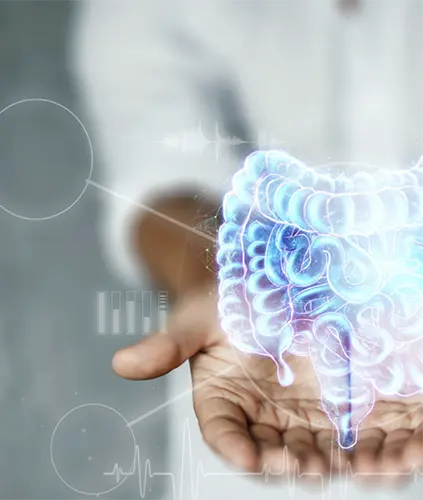
Your digestive system is one of the most crucial and hardest-working networks in your body.
From the moment you take the first bite of a meal, your digestive organs are busy breaking down nutrients, absorbing what you need, and eliminating what you don’t.
For many people, their digestive system is often taken for granted until something goes wrong. The truth is, your digestive health is directly linked to your overall well-being.
It affects your energy levels, immune system, mental clarity, and even your mood.
Here are five everyday tips for a healthier digestive system:
- Chew Food Thoroughly
Chewing is the first part of digestion, yet most people eat too quickly, swallowing large bites without thinking.
Take the time to chew your food properly.
The process of chewing mechanically breaks food into smaller pieces, allowing digestive enzymes to work more efficiently once food reaches the stomach.
Thorough chewing eases the overall digestive workload and reduces the tendency to overeat.
- Drink More Water
Water is vital to life.
It regulates body temperature, carries nutrients to cells, lubricates joints, and flushes waste products – among other essential functions.
Every stage of digestion depends on adequate hydration. Without enough water, digestion slows and stools harden, making bloating and constipation more likely.
When you are well-hydrated, your colon draws less water from waste material, keeping stools softer and easier to pass.
Water also supports the balance of good bacteria in your gut, allowing nutrients and waste to move freely.
Think of your digestive tract as your body’s freeway - when everything moves as it should, there are no bottlenecks and everyone gets where they want to be on time.
- Eat More Fiber
Fiber is one of the most crucial nutrients for a healthy digestive system, yet it is typically underconsumed in modern diets.
Fiber isn’t digested or absorbed as such. Instead, it travels through your digestive system, supporting everything from bowel regularity to microbial balance in your gut.
Adding more fiber to your meals is one of the simplest ways to improve overall digestion.
One of the key benefits of fiber is its role in preventing constipation. If you suffer from chronic constipation, supplement your diet with natural constipation relief, more water, and more fiber.
- Manage Stress
Your mind and your digestive system are more connected than you might think.
Stress doesn’t just affect your mood and nervous system; it directly impacts your digestive health. Stress triggers the release of hormones, such as cortisol and adrenaline, which activate the “fight or flight” response.
While this reaction is necessary in emergencies, it slows down non-essential functions, including digestion. When stress becomes chronic, it can lead to indigestion, bloating, and other digestive issues.
- Exercise Regularly
Staying active does more than just keep your muscles strong and your weight in check; it plays a crucial role in maintaining a well-functioning digestive system.
Regular exercise stimulates peristalsis, the natural contractions of the intestinal muscles, keeping the contents moving smoothly through.
One of the most immediate benefits of exercise is improved bowel regularity. You don’t need to spend hours in the gym; simple movements like walking can help.
In Summary
Keeping your digestive system healthy may seem like a complicated task, but it often just comes down to consistent, simple choices. The habits you form around eating, drinking, exercising, and managing your stress all directly influence your digestive health.
Make small, better choices for your body every day, and they will soon lead to a happier, healthier you.
Filed underStress & burnout, Gut health & IBS, Women's health & hormones, Energy & vitality