Pigeons often gather on ledges, rooftops, and entryways, where they leave droppings and build nests. Their presence can damage surfaces and create health concerns around homes and commercial buildings. Property owners need clear steps to stop this activity before it grows into a larger problem.
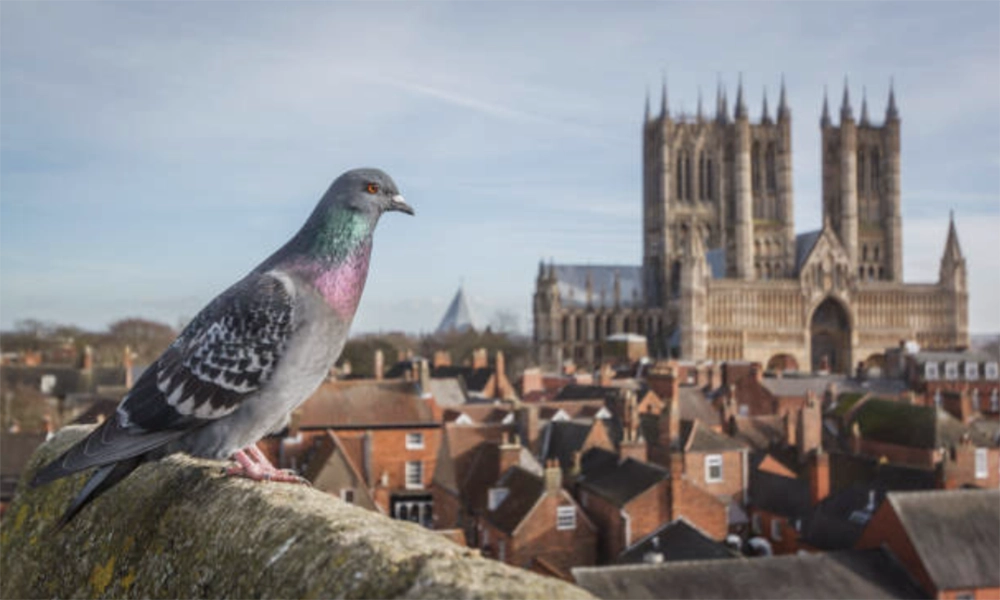
This article explains five practical solutions that help control pigeons around buildings by blocking access, discouraging perching, and preventing nesting. It focuses on simple physical barriers, surface treatments, exclusion methods, and modern deterrent tools that reduce pigeon activity without harm.
- Install bird spikes on ledges and rooftops to prevent pigeon perching
Bird spikes stop pigeons from landing on narrow ledges, signs, gutters, and roof edges. They create an uneven surface that blocks perching without harming the birds. Many property owners use them as part of a wider plan for how to get rid of pigeons around buildings.
Install spikes on flat surfaces where pigeons gather most. Clean the area first to remove droppings and debris. Then attach the spike strips with exterior-grade adhesive or screws, based on the surface type.
Place spikes in a continuous line with no gaps. Even small open spaces can give pigeons room to perch. Focus on rooflines, window sills, beams, and light fixtures.
Choose materials made for outdoor use, such as stainless steel or durable plastic. Check them a few times each year to confirm they stay secure and free of debris.
- Use bird netting to block access to nesting areas
Bird netting blocks pigeons from reaching common nesting spots. It works well on roofs, balconies, eaves, and open beams. The net creates a physical barrier without harming the birds.
Install netting over openings such as vents, lofts, and gaps under rooflines. Use rust-proof wire mesh or strong plastic netting with small openings. Secure the edges tightly so pigeons cannot slip through.
Plan the layout before installation. Attach the net to solid anchor points and keep it tight to prevent sagging. Loose netting can trap debris and reduce its effect.
Check the net on a regular basis. Look for tears, gaps, or loose fasteners. Quick repairs keep pigeons from finding a way back inside.
- Apply bird gel repellents on common landing spots
Bird gel repellents help stop pigeons from landing on flat surfaces. Property owners can apply the gel to ledges, window sills, railings, beams, and signs where pigeons often perch.
The gel feels sticky to birds but does not trap or poison them. When pigeons land, they feel the texture and choose another spot. Studies show gels can reduce landings, but they may not block every bird.
Clear gel blends in with most building materials. It works well on metal, concrete, wood, and stone. Many products resist rain and sun, which helps them last longer outdoors.
Apply the gel in thin lines along common landing edges. Clean the surface first so the gel sticks well. Check treated areas often and replace the gel when it dries out or collects dust.
Use gel in combination with other control methods for better results.
- Seal cracks and openings in building exteriors to exclude pigeons
Pigeons enter buildings through small gaps as narrow as 1 to 2 inches. They often use openings along roofs, eaves, vents, and window frames. Property owners should inspect these areas on a regular basis.
Workers can seal cracks with exterior-grade caulk or sealant. They should replace worn weatherstripping around doors and windows. Door sweeps help close gaps at the base of exterior doors.
Damaged siding and loose roof edges also create entry points. Repairs should cover holes and secure loose panels. Solid materials such as metal flashing can block wider gaps.
Vents and openings need proper covers. Install ¼-inch mesh hardware cloth over vents, chimneys, and attic openings to block access while allowing airflow. Secure the mesh tightly so birds cannot pull it loose.
Consistent inspection and prompt repairs stop pigeons from settling inside walls, attics, and ledges.
- Deploy ultrasonic or motion-activated deterrent devices
Ultrasonic and motion-activated devices help push pigeons away from ledges, roofs, and balconies. These units detect movement and respond with sound, light, or water. The goal is to make the area uncomfortable without harming the birds.
Ultrasonic models emit high-frequency sound that people usually cannot hear. Some include adjustable sensitivity and night scanning features. They work best in open spaces where walls and objects do not block the signal.
Motion-activated devices may use flashing lights, predator calls, or short bursts of water. When a pigeon enters the sensor range, the unit activates for a few seconds. This quick response startles the bird and interrupts nesting or roosting.
Install the device where pigeons land most often. Mount it at the correct height and angle for full coverage. Check power sources, such as batteries or solar panels, on a regular schedule to keep the system working as intended.
Conclusion
Controlling pigeons around buildings works best when property owners combine prevention, humane deterrents, and regular maintenance. Blocking nesting spots, limiting food sources, and using safe deterrent tools all reduce long-term problems.
Consistent action keeps droppings, damage, and health risks under control. When they apply these practical steps together, they protect the building, lower cleanup costs, and maintain a cleaner space for everyone.
- About the Author
- Latest Posts

Our Editorial Team are writers and experts in their field. Their views and opinions may not always be the views of Wellbeing Magazine. If you are under the direction of medical supervision please speak to your doctor or therapist before following the advice and recommendations in these articles.