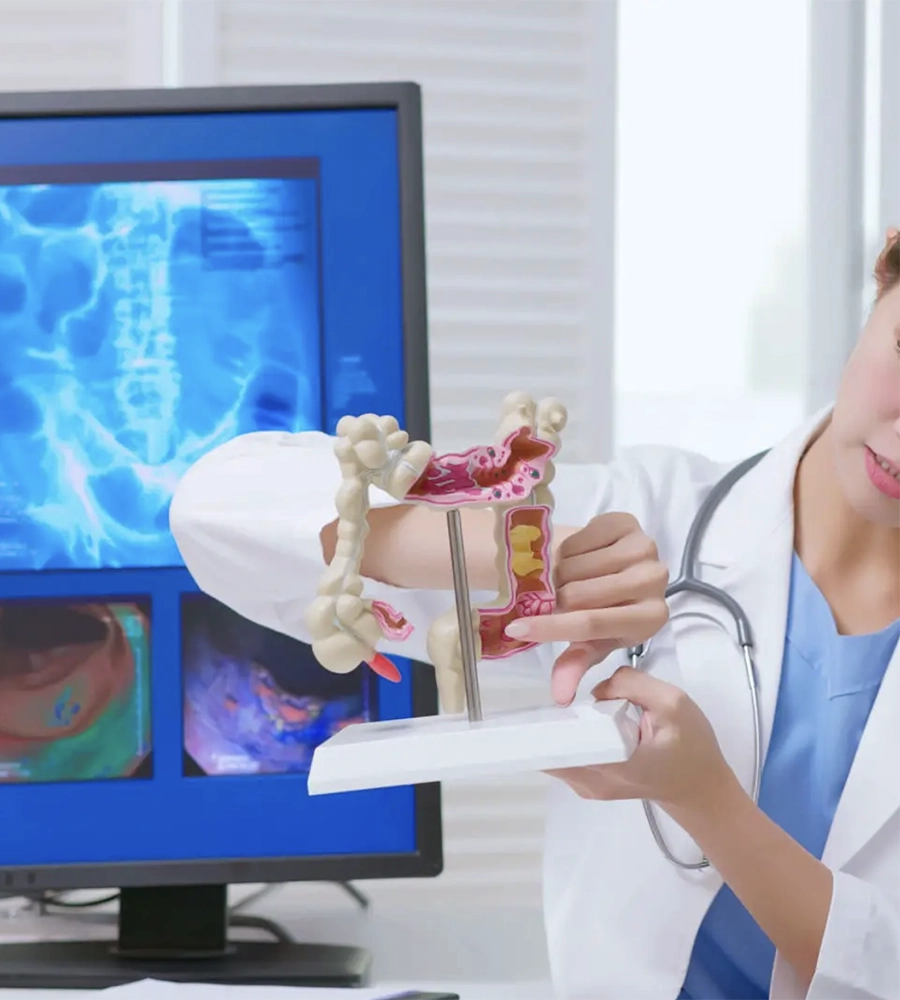
Hemorrhoids are enlarged veins located in the lower part of the rectum or around the anal opening. They can cause discomfort, itching, and bleeding, yet many people may not recognize the signs early. In some cases, symptoms are mild or mistaken for other minor conditions. Without proper attention, these symptoms may gradually worsen over time.
- Bright Red Rectal Bleeding
Hemorrhoid treatment is often prompted by the presence of bright red blood on toilet paper or in the bowl. This bleeding usually occurs without pain, which can lead individuals to ignore it. Since the blood typically appears after straining or passing hard stools, it may be dismissed as a temporary issue. However, regular or repeated bleeding is a sign that should be taken seriously. It may point to internal hemorrhoids or other rectal conditions that require medical evaluation.
- Mucus Discharge
Mild anal itching or a sensation of dampness can result from a small amount of mucus released by internal hemorrhoids. This discharge may irritate the surrounding skin, leading to persistent itchiness. These symptoms are sometimes confused with external irritation or hygiene-related concerns. Identifying the source early can improve comfort and prevent further inflammation.
- Intermittent Prolapse
A soft bulge or pressure during bowel movements may suggest a prolapsed hemorrhoid. This tissue can slide out of the anal canal temporarily and then retract. Although this may not cause pain, it is an indication that the supporting tissue is becoming weak. Some individuals may need to gently push the tissue back into place. Ignoring this symptom can result in a more permanent rectal prolapse that might require medical attention.
- Noticeable Lump Or Swelling
External hemorrhoids can cause visible or palpable swelling around the anal opening. These lumps may increase in size during certain activities or after extended sitting. They might shrink or disappear temporarily, leading some to believe the issue has resolved. However, a recurring lump can be a sign of ongoing inflammation or clot formation. Monitoring the area and seeking professional guidance can help prevent complications.
- Mild Discomfort While Sitting
A persistent feeling of discomfort while sitting or shortly after using the restroom can be an early sign of hemorrhoids. Individuals may also notice a dull ache, a sense of pressure, or mild soreness that worsens with prolonged sitting. Though this discomfort may seem minor at first, it should not be overlooked, as it may indicate inflammation or the presence of internal or external hemorrhoids. Early recognition can help reduce discomfort and prevent the condition from becoming more severe.
How A Medical Facility Can Help Treat Hemorrhoids
The treatment of hemorrhoids depends on the type and severity of the condition. Healthcare professionals conduct a physical examination and recommend appropriate treatment based on specific symptoms. This may include dietary changes, topical medications, or non-surgical procedures. In some cases, more advanced interventions may be necessary. Early consultation often leads to better outcomes and avoids unnecessary discomfort.
Hemorrhoid treatment is more effective when signs are identified early and addressed with proper care. Symptoms such as bleeding, itching, prolapse, or swelling may seem minor, but should not be overlooked. Recognizing these indicators and consulting a medical provider can lead to relief and prevent further problems. Accurate diagnosis and timely care can make a meaningful difference in comfort and health.