
5 Signs Your Donkey's Nutrition Needs Urgent Attention Right Now
Donkeys are famously stoic. That quiet, unbothered nature is part of why we love them, and it is also the single biggest problem when something goes wrong.…
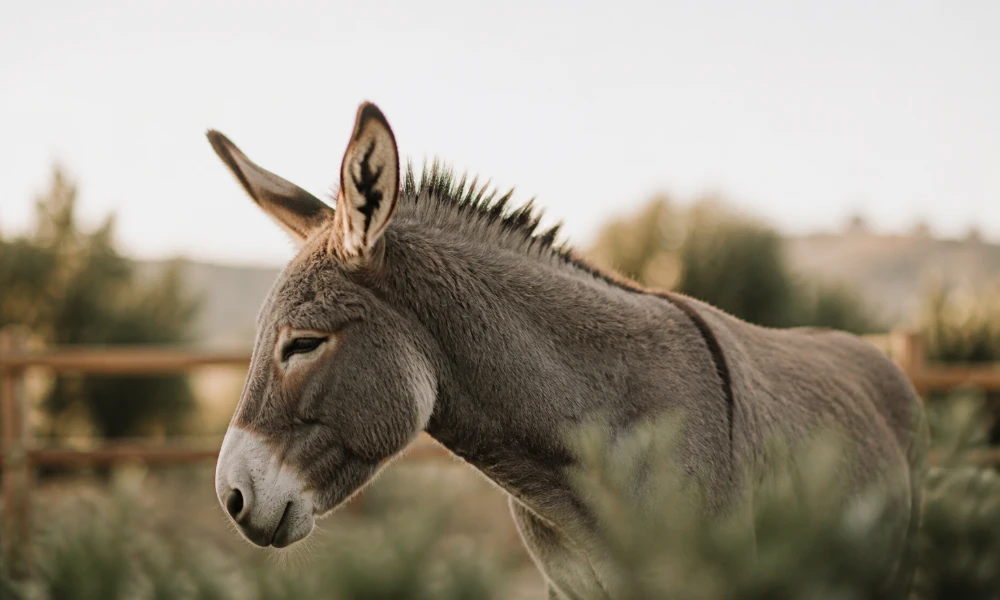
Donkeys are famously stoic. That quiet, unbothered nature is part of why we love them, and it is also the single biggest problem when something goes wrong. A horse in trouble will usually tell you. A donkey will often stand there looking much the same as yesterday.
So how do you spot a feeding problem in an animal that has spent thousands of years evolving not to complain? On smallholdings and sanctuaries, the answer usually comes down to noticing small changes early. Here are five that deserve immediate attention.
Why Donkeys Are Not Just Small Horses
This matters before anything else. Donkeys evolved in dry, sparse environments where food was scarce and poor in quality. They are remarkably efficient at extracting energy from tough, fibrous forage.
Put that animal on lush pasture, and the efficiency becomes a liability. What looks like a generous field to us is closer to an all-you-can-eat buffet to a donkey. Their nutritional needs are genuinely different from a horse's, and feeding them like a small pony is one of the most common mistakes owners make.
Early Clues That Something Isn't Right
Because donkeys often hide illness, nutritional problems usually appear through subtle physical or behavioural changes rather than obvious symptoms. Knowing what to watch for can help you act before a minor issue becomes a serious health emergency.
1. A Sudden Drop in Appetite
This is the one to act on immediately, and it is worth understanding why. Donkeys are highly prone to hyperlipaemia, a condition where fat floods into the bloodstream faster than the body can process it. It is triggered by a negative energy balance, which is a technical way of saying the donkey has stopped eating properly. Stress, pain, illness, a lost companion or a sudden diet change can all set it off.
The numbers explain the urgency. One study of a donkey population recorded 449 cases of hyperlipaemia with an associated mortality rate of 48.5%, published in the Journal of Veterinary Internal Medicine.
A donkey that goes off its food is not being fussy. Treat any reduced appetite, especially alongside dullness or withdrawal from a companion, as a call-the-vet situation rather than a wait-and-see one.
2. Weight Changes You Cannot See
Donkey coats are thick, dense and very good at hiding a changing body. You will not spot gradual weight gain or loss by eye alone.
The only reliable approach is to get your hands on them regularly. Run your palms over the ribs, along the neck, across the shoulders and over the rump, and do it at the same time each month so you have something to compare against.
Sudden weight loss is a red flag for illness, dental problems or parasites. Steady weight gain is a slower danger, but a danger nonetheless.
3. A Cresty Neck and Firm Fat Pads
Donkeys store fat in specific places, and those deposits tell you a great deal about the diet.
Look and feel for:
- A firm, hard ridge along the top of the neck
- Lumpy pads behind the shoulders
- Fat over the ribs that makes them hard to find
- Padding around the tail head and hindquarters
These are signs of an energy surplus, and they carry real risk. Obesity in donkeys is linked to insulin problems and laminitis, and it increases the danger if the animal ever does stop eating.
Getting donkey nutrition right usually means a high-fibre, low-sugar diet built around straw and restricted grazing rather than the richer feeds many horses receive.
Mad Barn has a practical guide to feeding donkeys, which is worth a read before you make changes to a diet. One important caution. Never crash-diet a donkey. Rapid feed restriction is precisely what triggers hyperlipaemia, so any weight loss plan needs to be gradual and ideally guided by your vet.
4. Changes in Droppings, or a Donkey That Seems Flat
The muck heap is an underrated diagnostic tool. Loose droppings, unusually dry droppings, or a noticeable drop in output all point to something wrong in the gut.
Pair that with behaviour. A donkey that stands apart from its companion, seems dull, stops greeting you, or shows less interest in its surroundings is communicating in the only way it really does. Donkeys mask pain well, so a subtle mood change often precedes any obvious physical sign.
5. Heat in the Hooves or a Shortened Stride
Diet and feet are closely connected. Excess sugar and starch, particularly from rich grass, can lead to laminitis, and donkeys are far from immune to it.
Watch for a donkey that seems reluctant to walk on hard or stony ground, moves with short, careful steps, shifts its weight repeatedly, or has hooves that feel warm to the touch. Rings running around the hoof wall can indicate previous episodes.
Any suspicion of laminitis warrants a call to the vet the same day. It is painful, it worsens quickly, and early intervention genuinely improves the outcome.
What to Do If You Spot Any of These
A sensible response follows the same pattern each time.
- Call your vet promptly rather than waiting to see if it resolves
- Keep fibre available, since a donkey should rarely go long without eating
- Note when the change started and what else altered around then
- Check the companion animal too, as problems often affect both
- Make any dietary change slowly, over weeks rather than days
Acting quickly gives your veterinarian the best chance to identify the cause before it becomes more serious. Even if the problem turns out to be minor, early attention can prevent complications and help your donkey return to normal more quickly.
The Bottom Line
Donkeys will not tell you when their diet is failing them. They will simply carry on, quietly, until something gives.
Regular hands-on checks, a fibre-based diet suited to the species rather than borrowed from horses, and a low threshold for calling the vet are what keep them well. If your donkey stops eating, do not wait. That is the sign that matters most.
Filed underGut health & IBS, Weight management