Introduction to Sjogren Syndrome Diagnosis and Evaluation
Sjogren Syndrome Diagnosis and Evaluation is an important step in determining and treating this chronic autoimmune disorder. It affects millions of people all over the world, but numerous cases go undiagnosed for many years because of the insidious symptoms and comorbidities.
In the context of proper diagnosis, the use of highly qualified medical personnel, such as those at Liv Hospital, guarantees a systematic and acceptable process. They can be relied upon since their rheumatology services are specialized in the treatment of patients.
Sjogren Syndrome Diagnosis and Evaluation is a complicated method in clinical assessment, lab diagnosis, and imaging. It does not simply involve searching for symptoms, but rather viewing the whole picture.
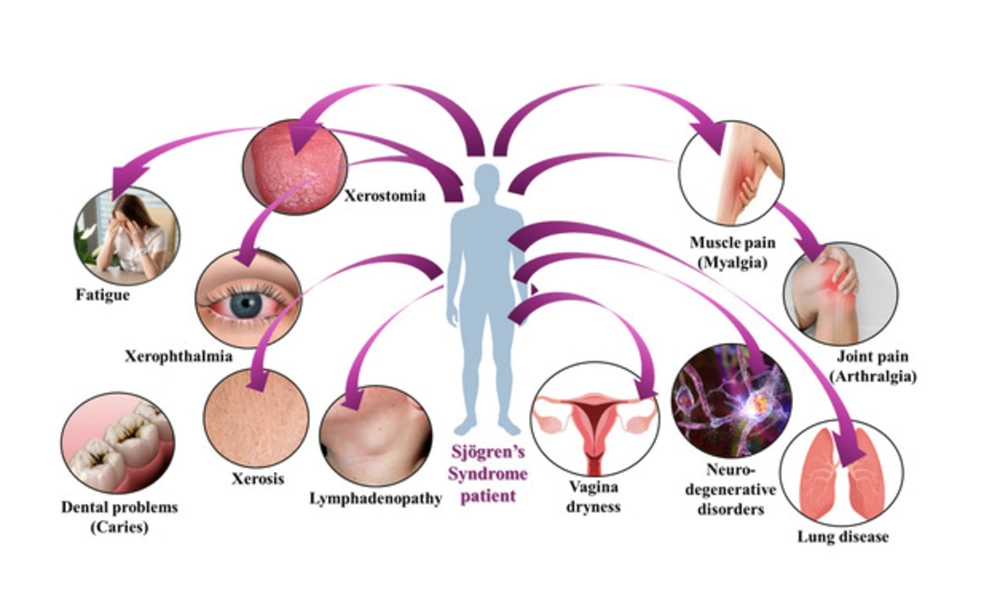
What is Sjogren Syndrome?
Sjogren’s Syndrome can be described as an autoimmune disease that happens when the body’s immune system targets moisture-producing glands. This causes dryness (particularly in the mouth and eyes).
There are two types:
. Primary Sjogren Syndrome – Occurs independently.
. Secondary Sjogren Syndrome – is a syndrome that is linked with other autoimmune disorders, such as rheumatoid arthritis or lupus.
Why Early Diagnosis Matters
One of the most important factors in complication avoidance is early diagnosis. The patient may develop:
. Severe dental issues
. Vision problems
. Fatigue and joint pain
. Organ involvement
The quality of life is greater the earlier the diagnosis.
Awareness of the Causes and the Risk Factors
Autoimmune Mechanisms
Sjogren’s Syndrome results in the immune system attacking the body instead of protecting it. The white blood cells fight glands that produce tears and saliva.
Genetic and Environmental Triggers.
A number of factors might put people at risk:
. Autoimmune disease in family history.
. Viral infections
. Hormonal changes (more prevalent in women)
Typical Symptoms Diagnostic of the Vacuity.
Dry Eyes and Dry Mouth
The characteristic symptoms are as follows:
. Smoking or sandy pains in the eyes
. Problem with swallowing dry foods
. Frequent thirst
Systemic Symptoms
In addition to the dryness, the patients can also experience:
. Chronic fatigue
. Joint pain
. Skin dryness
. Swollen glands
These symptoms often prompt further Sjogren Syndrome Diagnosis and Evaluation.
Clinical Evaluation Process
Medical History Review
Doctors begin by assessing:
. Duration of symptoms
. Family history
Existing autoimmune conditions
Physical Examination
A thorough exam includes:
. Checking salivary glands
. Eye moisture levels
. Joint inflammation
Diagnostic Tests Sjogren Syndrome
Diagnostic tests are important in making an accurate Sjogren Syndrome Diagnosis and Evaluation.
Blood Tests
Blood tests are performed to seek certain antibodies:
. Anti-SSA (Ro)
. Anti-SSB (La)
. Rheumatoid factor
These are indicators of autoimmune activity.
Eye Tests
The Schirmer’s test measures tear production. A small strip of paper is placed under the eyelid to assess moisture levels.
Salivary Gland Tests
These include:
. Salivary flow measurement
. Sialography (salivary glands imaging)
There is: Sjogren Syndrome Diagnosis and Evaluation to learn the clinical details.
Role of Imaging Techniques
Ultrasound and MRI
Imaging helps detect gland abnormalities and inflammation.
Biopsy Procedures
A lip biopsy may be performed to confirm the diagnosis. It examines minor salivary glands under a microscope.
Classification Criteria for Diagnosis
ACR-EULAR Criteria
Doctors employ standardized criteria, which may include:
. Positive antibody tests
. Reduced tear production
.. Salivary glands: Biopsy findings.
These provide consistency in Sjogren’s diagnosis and Evaluation.
Challenges in Diagnosis
The symptoms tend to resemble other ailments, such as:
. Lupus
. Fibromyalgia
. Rheumatoid arthritis
Misdiagnosis Issues
The symptoms manifest over time, thus many patients are either lacking an appropriate diagnosis or are ignored.
Significance of Multidisciplinary Approach
Rheumatologists and Experts
The following are necessary to make an effective diagnosis:
. Rheumatologists
. Ophthalmologists
. Dentists
This is a team-based method that enhances precision.
Planning of treatment after diagnosis
Personalized Care
On diagnosis, treatment is based on:
. Symptom relief
. Preventing complications
. Enhancing quality of life
Modifications and Surveillance of Lifestyles.
Daily Management Tips
The patients can control their symptoms by:
. Staying hydrated
. Using artificial tears
. Maintaining oral hygiene
Follow-ups should be done regularly.
Conclusion
In conclusion, Sjogren Syndrome Diagnosis and Evaluation is a complex, multi-faceted process that requires professionalism, patience, and a tailored approach. The detection of symptoms and prevention of complications are success factors associated with timely diagnosis.
This means that medical professionals can consider having a chance to give an accurate diagnosis and a particular treatment plan after taking into account clinical examination, laboratory findings, and imaging. Liv Hospital is an important institution where individuals can receive high-quality care and quality diagnostic services.
You can have a more balanced and healthier lifestyle, and live and feel– your place your destination in order to achieve this goal, then visit live and feel- your place to receive wellness, inspiration, and daily tips on how to live a healthy life.
FAQ’s
Which test is appropriate to diagnose Sjogren’s syndrome?
The best diagnosis is a combination of blood tests, eye tests, and biopsy of the salivary glands.
Is it possible to diagnose Sjogren Syndrome at an early age?
Yes, it can be diagnosed and evaluated at an early stage of Sjogren Syndrome with the help of screening and symptom awareness.
Does Sjogren Syndrome pose a life threat?
It is generally not severe, but it can cause problems when left unattended.
Who is at the highest risk?
The most widespread is women older than 40.
How long does a diagnosis take?
It can take months or even years because of a similarity in symptoms.
Can lifestyle changes help?
Of course, lifestyle changes are quite effective in the course of symptom treatment.