The art of muscle relief spans centuries, with Southeast Asian traditions still easing weary bodies today. Authentic methods developed by traditional healers ease physical tension and support relaxation, providing time-tested relief in a fast-paced world. These practices, rooted in ancient knowledge, have been shown to support both physical and mental wellbeing through structured techniques and mindful application.
Harrow has seen a rise in the popularity of traditional Thai massage among those seeking genuine relaxation methods. This approach, often referred to as “lazy person’s yoga”, combines acupressure and stretching to release tension stored in muscle tissue. While Western styles typically focus on kneading, Thai massage uses rhythmic pressure along energy lines that run through the body, taking a complete approach to muscle relief.
Over many generations, authentic massage practices have offered structured techniques that directly address muscle tension and mental relaxation. These established rituals include careful environment preparation, focused presence of the therapist and a blend of physical and meditative methods. Together, these steps support both body and mind.
The Origins of Thai Massage and Its Muscle-Relieving Benefits
Thai massage can be traced back more than 2,500 years to northern India. The practice journeyed to Thailand with Buddhist monks, developing over centuries into the form recognised today. Practitioners in the region remain true to these authentic traditions, bringing clients a genuine experience rooted in history.
This massage style centres on Sen lines, invisible channels of energy believed to flow within the body. Blockages along these pathways are thought to cause muscle tension and discomfort. Applying gentle pressure and stretching, traditional practitioners support the release of these obstructions, restoring energy flow.
Contemporary research provides evidence that Thai massage stretching techniques support myofascial release. This eases the tightness in connective tissue around muscles. Research published in Medicine & Science in Sports & Exercise found Thai massage can reduce myofascial stiffness and support flexibility.
Thai massage is performed fully clothed on a floor mat, without using oils. Practitioners use hands, feet, elbows and knees to move recipients through stretches and apply pressure to key points, adapting the approach as needed.
Key Thai Massage Techniques for Different Muscle Groups
Traditional Thai massage includes core techniques designed for specific muscle groups. For back tension, gentle rocking mixed with palm compression supports relaxation along the spine. This approach releases tension without causing new discomfort.
Shoulder and neck tightness, common among those working at desks, often respond to palm pressure. The therapist works from the base of the skull down to the shoulders, helping loosen knots linked to posture and daily stress.
Lower back aches and tight hips benefit from assisted stretches, a hallmark of Thai massage. These stretches safely extend the body to restore length in compressed joints and muscles. Therapy is tailored so people can take part, even with limited flexibility.
Tired feet and calves are addressed with focused thumb pressure on particular points, stimulating circulation and easing foot fatigue. Many people find immediate comfort after this approach, particularly if standing or walking for long periods is routine.
Compared with Chinese acupressure or Japanese shiatsu, Thai massage stands out through its flowing, dance-like rhythm. It combines rhythmic pressure with stretches inspired by yoga. For those looking for skilled therapists who preserve these original techniques, authentic Thai massage parlours in Harrow provide access to practitioners who honour this tradition in every session.
Ancient Ayurvedic Practices for Muscle Recovery
Thai massage techniques create noticeable changes but another ancient system, Ayurveda from India, also offers useful ideas for muscle care. Abhyanga, a self-massage method involving warm oils, ranks among the most effective Ayurvedic ways to address fatigue.
Seasoned Ayurvedic therapists select oil blends based on individual needs and complaints. Sesame oil, sometimes mixed with herbs like ashwagandha or ginger, helps warm and loosen stiff muscles. When muscles feel hot or sore, cooling coconut oil blends provide gentle relief.
Contrast therapy, switching between hot and cold treatments, has supported muscle recovery within Ayurveda for centuries. The same methods are now applied in sports medicine programmes. The UK’s National Health Service outlines the use of ice and heat for muscle pain and recovery.
The British Journal of Sports Medicine documents contrast therapy’s effectiveness in athletic settings. Ancient practitioners relied on careful observation to develop these routines based on natural cycles and personal experience.
In ancient India, daily routines were central for warding off muscle tension. A mix of morning self-massage, simple yoga positions and scheduled rest kept muscles in balance. These strategies reflect Ayurveda’s consistent focus on regular, practical habits.
Applying Ancient Wisdom for Muscle Care Today
Using ancient relaxation techniques does not have to require radical change. A few simple stretches drawn from Thai massage can fit into an office break or daily schedule. Gentle twists and forward bends loosen stiff muscles caused by sitting.
Setting up a home routine using ideas from different traditions can bring long-lasting effects. Warming muscles under a hot shower before stretching, then finishing with an oil massage inspired by Ayurveda, can support recovery for tight or tired muscles.
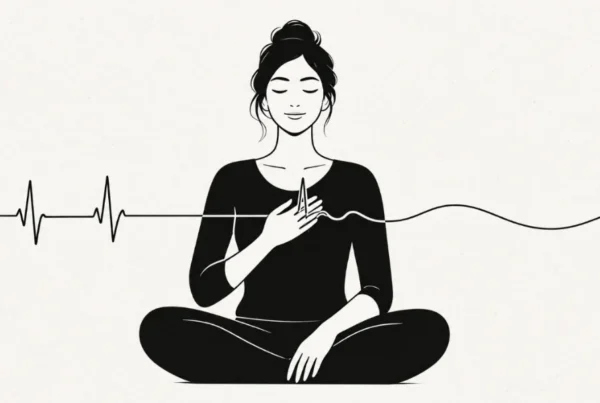
Ancient practitioners observed that slow, deep breathing helps physical relaxation. Breathwork supports activation of the body’s relaxation mechanisms. This connection appears in medical reviews such as The Effect of Slow Breathing on Autonomic Function and Stress.
Combining steady breathwork with gentle stretching or self-massage helps achieve greater muscular relaxation. Those with persistent pain, sudden mobility loss or muscle spasms should seek skilled help.
Practical and research-backed approaches help use ancient techniques for current needs. Office employees in Harrow often report relief from neck and shoulder discomfort after integrating Thai-style stretches into their workday routines.
Athletes seeking active recovery have found benefit in Ayurvedic oil massage protocols that follow sports activity. This method is now included in sports physiotherapy guidance in the UK due to its focus on muscle warming and circulation. Individuals with stress-linked tightness can see improvements using regular guided breathwork, supported by clinical research referenced by the National Institutes of Health.
Image by Angelo Esslinger from Pixabay
- About the Author
- Latest Posts

Our Editorial Team are writers and experts in their field. Their views and opinions may not always be the views of Wellbeing Magazine. If you are under the direction of medical supervision please speak to your doctor or therapist before following the advice and recommendations in these articles.