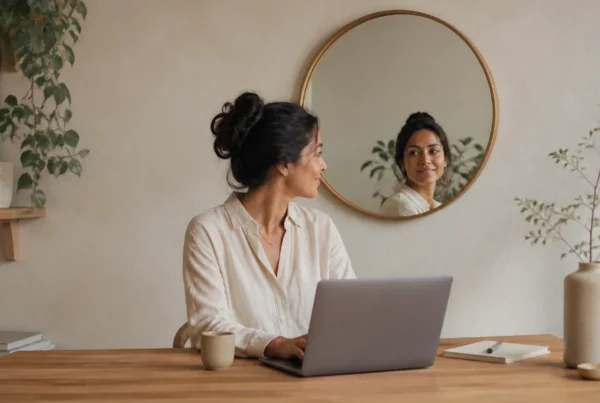
There was a time when “success” meant long nights, endless emails, and maybe bragging about how little sleep you got. It sounded impressive. Until it didn’t. People started burning out. Teams stopped creating. Workplaces became machines that drained the very people keeping them alive. Now, the story is different. Success is measured in balance. It’s about getting results without destroying yourself in the process. For many, that shift means rethinking how and where we work—even finding a professional coworking space that makes showing up every day feel a little less heavy.
Why Wellbeing Isn’t Optional Anymore
For a long time, well-being at work was treated like decoration. You’d walk into the office kitchen and see a basket of free fruit or a motivational yoga poster tacked on the wall. It looked good in photos, something HR could point to and say, “See? We care.” But it didn’t change much. People still dragged themselves to their desks every morning, fighting the same old fatigue, the same stress, the same quiet frustrations.
Then came the breaking point. Exhaustion wasn’t hidden anymore. People began leaving jobs they once believed were part of their identity. You started seeing “burnout” on headlines every week. Stress, anxiety, depression—these weren’t whispered about behind closed doors anymore. They showed up in performance reviews, on sick days, in the way meetings felt heavier than they should.
And businesses finally noticed. It wasn’t just about being nice to employees. Leaders had to face the truth: when people aren’t well, the work suffers too. Creativity drops. Collaboration dries up. Even loyalty disappears. Suddenly, “wellbeing” wasn’t just a side project or an optional HR perk. It became part of the survival strategy. Not because companies suddenly developed softer hearts overnight, but because ignoring wellbeing started to cost too much.
Rethinking Productivity
Working ten hours straight rarely means you got ten hours of valuable work done. What happens is this: you set an intention to stay at your desk but soon find yourself distracted by scrolling, zoning out or staring blankly at an Excel spreadsheet. At the end of each day, you find yourself exhausted yet your list of accomplishments seems embarrassingly short.
Old beliefs–more hours equal more success–just aren’t true anymore. People have finally acknowledged what many have felt all along: productivity isn’t about time but energy and focus; three hours of uninterrupted, no-disrupted work may yield far greater returns than an entire day spent making halfhearted efforts. The quality of attention matters more than the number on the clock.
That’s why we’re seeing work models shift. Flexible schedules are becoming the norm, not the exception. Remote setups let people reclaim commuting hours for something meaningful. Even experiments like the four-day workweek are catching attention—not because they’re “trendy,” but because they’re proving that better balance often leads to better results.
How Space Shapes the Way You Work
Picture this: you’re sitting in a dim office with buzzing lights overhead. The chair hurts your back. Phones ring nonstop. Your focus breaks every two minutes. You push through, but the work feels heavy.
Now switch scenes. Big windows. Natural light. A chair that doesn’t fight your posture. A quiet corner when you need it, and a hum of energy when you want to feel connected. Suddenly, working doesn’t feel like punishment.
That’s the power of the environment. It shapes how motivated you feel. It decides whether creativity shows up or hides away. That’s why more people are ditching cubicle life. Shared spaces, hybrid models, flexible offices—they’re not fads. They’re survival tools for a healthier way of working.
Blending Work and Wellness
The smartest companies are already experimenting. Some create wellness programs with mindfulness breaks, healthy snacks, or even walking meetings. Others redesign offices with both collaboration zones and quiet spaces.
But it’s not just about perks. It’s about trust. Letting people own their schedules. Giving them space to breathe without guilt. When people feel trusted, they show up with more energy. They stay longer. They actually care about the work because the work cares about them.
Mental health has finally entered the conversation too. Access to therapy sessions, workshops on stress, or just normalizing “I need a break” makes a difference. And those small shifts ripple out into better focus, better results, and teams that don’t collapse under pressure.
Conclusion
The future of work doesn’t look like endless office hours or rigid routines. It looks like a balance. It looks like places and systems designed to support humans first, output second. The companies that thrive will be the ones that get it. They’ll build cultures where wellbeing isn’t decoration—it’s strategy. They’ll understand that productivity and health aren’t enemies. They’re partners.
- About the Author
- Latest Posts

Our Editorial Team are writers and experts in their field. Their views and opinions may not always be the views of Wellbeing Magazine. If you are under the direction of medical supervision please speak to your doctor or therapist before following the advice and recommendations in these articles.