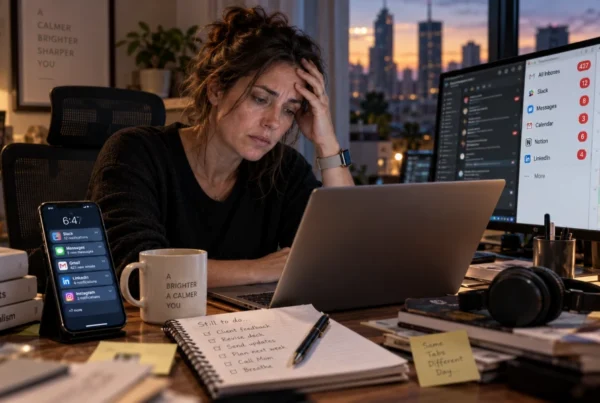
Anxiety has become one of the most common mental health challenges in modern life. From constant digital stimulation to work pressure and social expectations, many people feel mentally overwhelmed even when physically inactive. While therapy, meditation, and medication play important roles in managing anxiety, movement-based approaches are gaining increasing attention. Among them, repetitive motion sports stand out as a surprisingly powerful and accessible way to calm the mind.
Unlike high-adrenaline or chaotic activities, repetitive motion sports involve consistent, rhythmic movements performed over time. Think of steady strokes, repeated swings, or continuous cycles of motion. These sports don’t just condition the body—they create a mental environment where anxious thoughts gradually lose their grip. Understanding how and why this happens can help people choose activities that support both physical and emotional well-being.
The Link Between Repetition and Mental Calm
The human brain responds strongly to rhythm and predictability. When movements repeat in a steady pattern, the nervous system begins to relax. This is because repetitive motion reduces the need for constant decision-making and alertness. Instead of reacting to unpredictable stimuli, the brain shifts into a more automatic, controlled state.
This shift is especially helpful for anxiety, which often thrives on overthinking and hypervigilance. Repetitive actions provide a mental anchor, gently pulling attention away from worries and into the present moment. Over time, this creates a calming loop where the body signals safety and the mind responds with reduced stress.
How Repetitive Motion Regulates the Nervous System
Anxiety is closely tied to the body’s stress response, particularly the sympathetic nervous system, which triggers “fight or flight.” Repetitive motion sports encourage activation of the parasympathetic nervous system—the state associated with rest, digestion, and recovery.
When the body moves rhythmically:
- Breathing becomes more controlled
- Heart rate stabilizes
- Muscle tension decreases
This physiological regulation sends feedback to the brain that there is no immediate threat. As a result, anxious symptoms such as racing thoughts, restlessness, and irritability begin to fade. Over time, consistent engagement in repetitive sports can train the body to return to a calmer baseline more easily.
The Meditative Effect of Repeated Movement
One of the most overlooked benefits of repetitive motion sports is their similarity to meditation. Traditional meditation can feel intimidating or difficult for people with anxiety, especially those who struggle to sit still or quiet their thoughts. Repetitive movement offers an alternative form of active meditation.
When motions are repeated:
- Attention naturally narrows
- Mental chatter softens
- Awareness shifts to breath and movement
This creates a “flow state,” where the mind becomes fully absorbed in the activity. In this state, worries about the past or future lose their intensity. The brain experiences a sense of control and focus that is deeply soothing for anxious individuals.
Building Confidence Through Predictable Progress
Anxiety often comes with self-doubt and fear of failure. Repetitive motion sports counter this by offering clear, measurable progress. Repeating the same movement allows people to notice small improvements over time—better timing, smoother motion, or increased endurance.
This predictability builds confidence in a non-threatening way. Instead of constant pressure to perform perfectly, participants learn that improvement comes through consistency. This mindset can gradually reshape how anxious individuals view challenges, replacing fear with patience and self-trust.
Why These Sports Feel Safer for Anxious Minds
Not all physical activities feel emotionally safe for someone dealing with anxiety. Team sports or fast-paced games can sometimes increase stress due to competition, unpredictability, or social pressure. Repetitive motion sports, on the other hand, tend to feel more controlled and personal.
They often allow individuals to:
- Move at their own pace
- Focus inward rather than outward
- Avoid constant comparison with others
This sense of autonomy is crucial for reducing anxiety. Feeling in control of one’s body and environment helps counter the helplessness that anxiety can create.
Swimming and Rhythmic Water Movement
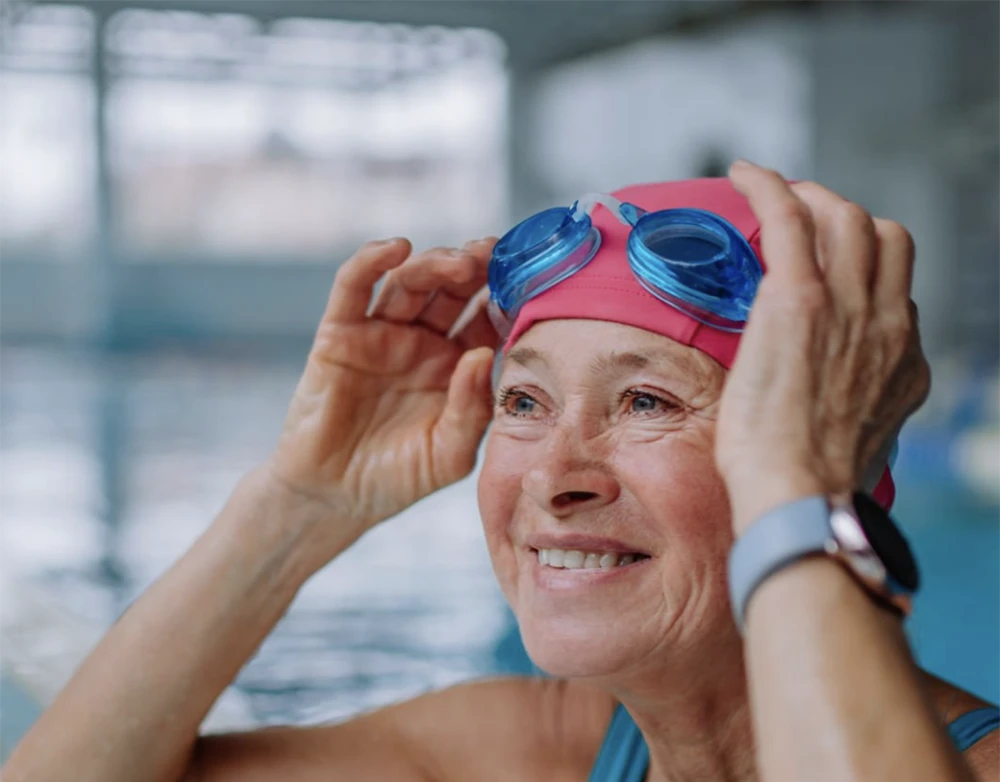
Water-based activities are particularly effective because they combine repetition with sensory regulation. The feeling of water resistance, steady breathing, and repeated strokes creates a full-body rhythm that encourages deep relaxation. Many people find that structured swim programs provide not only physical conditioning but also mental relief through predictable routines and controlled environments.
The repetitive nature of swimming strokes, paired with regulated breathing, creates a powerful calming effect. Over time, the mind begins to associate this rhythm with safety and calm, making it easier to manage anxious feelings even outside the pool.
Precision-Based Repetition and Mental Focus
Some repetitive motion sports emphasize precision and stillness as much as movement. These activities require focus, patience, and controlled repetition. For individuals with anxiety, this kind of intentional practice can be grounding.
Choosing to try archery, for example, introduces a cycle of repeated actions—stance, breath, aim, release—that demands full attention. Because success depends on calmness and consistency, anxious thoughts naturally fade into the background. The brain becomes focused on execution rather than worry, reinforcing a sense of control and inner stability.
Long-Term Benefits for Anxiety Management
The effects of repetitive motion sports go beyond the immediate sense of calm. With regular practice, these activities can:
- Improve emotional regulation
- Reduce baseline stress levels
- Enhance sleep quality
- Increase resilience to daily stressors
Over time, the brain learns to associate repetition with relaxation. This makes it easier to access calm states even during stressful situations, creating a lasting mental health benefit.
Moving Repetition as a Path to Calm
Repetitive motion sports offer a unique and effective way to reduce anxiety without requiring stillness, perfection, or intense competition. By engaging the body in rhythmic, predictable movement, they gently guide the mind away from chaos and into calm focus.
For anyone struggling with anxiety, these sports provide more than exercise—they offer structure, control, and a sense of safety. In a world filled with noise and unpredictability, repetitive motion becomes a quiet refuge where the mind can finally rest.
- About the Author
- Latest Posts

Our Editorial Team are writers and experts in their field. Their views and opinions may not always be the views of Wellbeing Magazine. If you are under the direction of medical supervision please speak to your doctor or therapist before following the advice and recommendations in these articles.