Aging often gets judged by what shows up in the mirror. Fine lines deepen, skin loses elasticity, and recovery feels slower than it used to. What’s easier to miss is the internal aging happening beneath the surface, shaped by years of daily habits and gradual biological wear. According to the World Health Organization, by 2030, one in six people globally will be over the age of 60, making healthy aging an issue that affects more people than ever.
Internal aging influences how well cells repair themselves, how the body regulates inflammation, and how efficiently systems like digestion, circulation, and energy production work together. Research consistently shows that chronic inflammation and reduced cellular repair increase with age, often years before visible signs appear, quietly affecting how the body feels and functions day to day.
This article looks at how nutrition and lifestyle choices influence both visible and internal aging, and how consistent, supportive habits can help slow the process over time.
What Aging Really Means Inside the Body
Aging isn’t limited to wrinkles or gray hair. Much of it happens at the cellular level, where the body’s ability to repair damage and maintain balance gradually slows down.
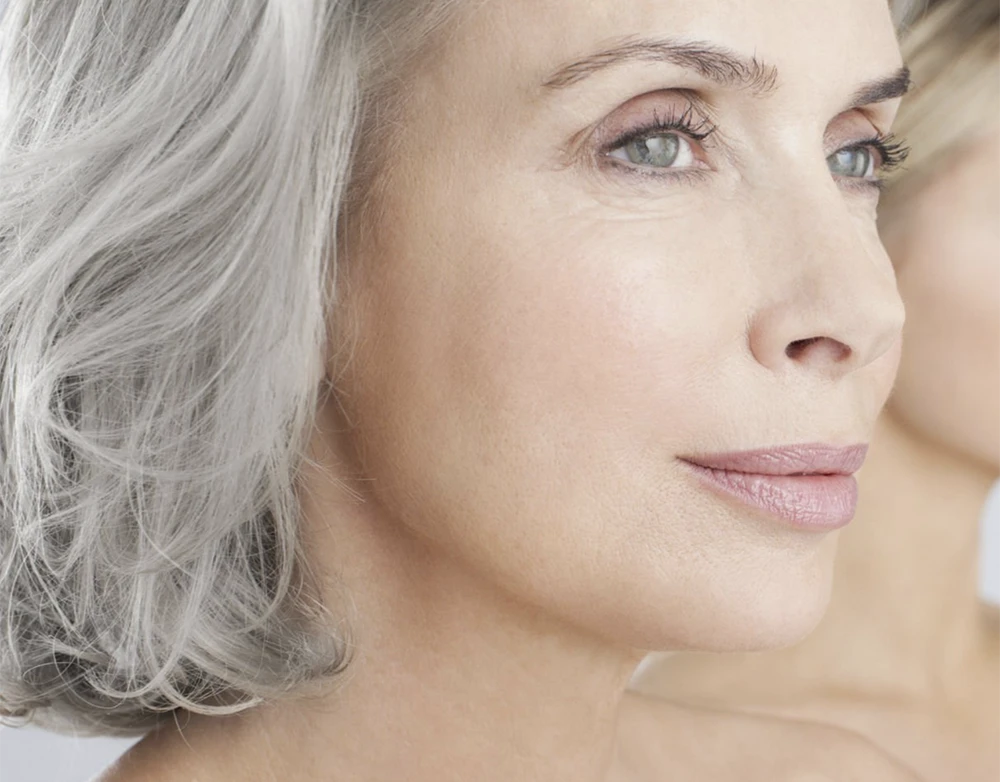
Visible aging shows up in ways people notice quickly. Here, skin becomes thinner and less elastic. Hair may lose pigment or density. Recovery from physical stress takes longer. Internal aging works more quietly. Inflammation becomes easier to trigger. Cells take longer to regenerate. Metabolic processes lose some efficiency.
Internal changes often come first. And this is due to ong-term stress, poor sleep, and nutritional gaps place repeated strain on cells, even when outward signs are minimal. Over time, these internal shifts influence how quickly visible aging appears and how the body responds to daily demands.
Nutrition’s Role in Slowing the Aging Process
Food supplies the raw materials the body uses to repair cells, manage inflammation, and protect against everyday stress.
Nutrients like vitamins, minerals, healthy fats, and plant compounds support processes that keep cells functioning efficiently. Antioxidant-rich foods help balance oxidative stress, which is linked to both internal wear and visible signs of aging. Fiber supports digestion and metabolic health, which in turn influences skin, energy levels, and immune function.
Dietary patterns matter more than individual ingredients. This is why meals built around whole foods, lean proteins, fruits, vegetables, and healthy fats tend to support healthier aging over time. Extreme restrictions or short-term diets often create more stress than benefit.
Hydration also plays a role. Adequate fluid intake supports circulation, nutrient delivery, and skin health. When nutrition is consistent and balanced, the body has a better chance to slow aging from the inside out.
Lifestyle Habits That Influence Aging Speed
Nutrition sets the foundation, but lifestyle habits determine how well the body uses that fuel. Day-to-day routines can either support repair or quietly accelerate wear over time.
Sleep is one of the most overlooked factors. During deep sleep, the body carries out essential repair work, from hormone regulation to tissue recovery. When sleep is consistently cut short, these processes lose efficiency, which can speed up both internal and visible aging.
Movement plays a similar role. Regular physical activity supports circulation, joint health, and muscle strength while helping regulate inflammation. This doesn’t require intense workouts. Consistent movement, even at moderate levels, helps the body maintain resilience as it ages.
Stress also shapes how aging unfolds. Ongoing stress keeps the body in a heightened state that increases inflammation and slows recovery. Simple habits like structured downtime, gentle activity, and realistic boundaries can lower that baseline stress and give the body room to reset.
Together, these lifestyle factors influence how quickly aging shows up and how well the body adapts over time.
Signs the Body May Be Aging Faster Than It Needs To
Aging doesn’t always announce itself loudly. Often, the body sends subtle signals that internal systems are under strain before visible changes become obvious.
Common signs include:
- Ongoing fatigue that doesn’t improve with rest
- Slower recovery after physical activity or stressful periods
- Changes in skin tone, texture, or elasticity linked to lifestyle factors
- Increased joint stiffness or low-grade inflammation
- Feeling less resilient to everyday stress
These signs don’t point to a single cause. They often reflect cumulative effects of sleep, nutrition, stress, and movement patterns over time. Paying attention early creates an opportunity to adjust habits before those changes become harder to reverse.
Here’s How to Support Aging From the Inside Out
Slowing aging comes from building a routine the body can sustain over time. Nutrition, sleep, movement, and stress management work best when they support each other, not when one is treated as a shortcut.
Now, you also need to be consistent as this matters more than intensity. Regular meals, predictable sleep patterns, and manageable activity levels reduce strain on the body and allow internal systems to function more efficiently. Over time, these habits influence energy levels, skin quality, recovery speed, and overall resilience.
Some people also look into targeted support alongside these habits. Options such as the best quantum-charged supplement are often explored as part of a broader approach that already includes balanced nutrition, healthy routines, and guidance from a healthcare professional. These supports are most effective when they complement lifestyle choices rather than replace them.
Aging responds to long-term patterns. Small, steady adjustments tend to create more lasting benefits than dramatic changes that are hard to maintain.
Conclusion
Aging is shaped less by a single moment and more by years of daily choices. Nutrition, sleep, movement, and stress management all influence how the body changes over time, both visibly and internally.
Supporting these systems consistently helps slow wear at the cellular level, improves recovery, and maintains resilience as the years pass. Quick fixes rarely deliver lasting results. Sustainable habits tend to.
Focusing on steady, supportive routines creates a stronger foundation for healthy aging. Over time, those small, repeatable choices can make a meaningful difference in how the body feels, functions, and adapts.
- About the Author
- Latest Posts

Our Editorial Team are writers and experts in their field. Their views and opinions may not always be the views of Wellbeing Magazine. If you are under the direction of medical supervision please speak to your doctor or therapist before following the advice and recommendations in these articles.