In an era defined by constant connectivity, fast paced lifestyles, and increasing demands on our time and attention, the concepts of health and well being have never been more important. While health traditionally refers to the physical state of the body, modern understanding positions well being as a much broader and more holistic framework that includes mental, emotional, social, and even environmental factors. Achieving well being is not a one time accomplishment. It is a continuous process of making choices that support a more fulfilling life.
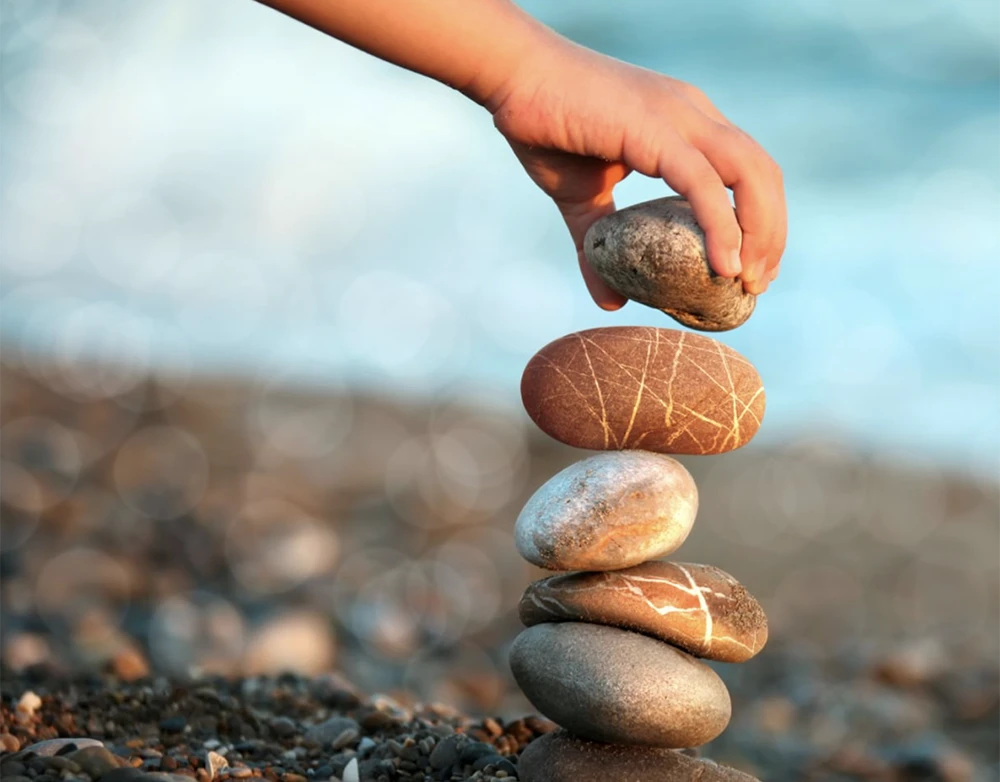
This article explores the core dimensions of health and well being, the challenges people face in maintaining them, and practical strategies to cultivate a balanced, resilient, and meaningful life.
The Evolving Definition of Health
Decades ago, health was largely understood as the absence of illness. Today, the World Health Organization defines it as a state of complete physical, mental and social well being, and not merely the absence of disease or infirmity. This expanded definition highlights that true health is multidimensional.
Physical health remains a fundamental pillar. It includes nutrition, physical activity, sleep, and preventive care. Emotional well being, which involves how we manage stress, cope with challenges, and navigate our inner experiences, is equally crucial. Social health, which includes relationships, community, and a sense of belonging, is another essential component.
All these areas influence one another. Chronic stress can manifest physically in headaches or weakened immunity. Poor sleep affects cognition, mood, and long term health. Understanding these interactions helps individuals approach well being with awareness and intention.
Physical Well Being: Building a Strong Foundation
Physical health is the most visible dimension of well being, yet many people struggle to maintain it consistently. The foundation of physical well being lies in three core components: movement, nutrition, and rest.
Movement and Exercise
Regular movement improves cardiovascular health, strengthens muscles and bones, boosts metabolism, and elevates mood. Exercise does not need to be extreme. Walking, dancing, yoga, or home workouts all provide meaningful benefits. For those who enjoy mindful movement practices, choosing eco friendly and supportive equipment can enhance the experience. Brands such as ZONE by Lydia offer sustainable yoga mats and hemp based activewear designed for natural comfort and environmental consciousness. This helps practitioners feel more grounded in their routines.
Consistency matters most. Even 20 to 30 minutes of moderate activity on most days significantly supports both physical and emotional health.
Nutrition and Fuel
Balanced nutrition provides the energy the body needs to function properly. A well rounded diet includes whole foods, fruits, vegetables, whole grains, proteins, and healthy fats. Reducing processed foods and added sugars supports hormonal balance, stable energy, and long term wellness.
Hydration is equally important. Drinking enough water improves digestion, concentration, and skin health, and it supports physical performance.
Rest and Recovery
Sleep is essential but often underestimated. Adults typically require 7 to 9 hours of quality sleep. Rest can also mean taking short breaks during busy days, allowing time for deep breathing, stretching, or simply slowing down. These small pauses reduce stress and promote resilience.
Mental and Emotional Well Being: Strengthening the Inner Self
The mental and emotional dimensions of well being relate to how we process experiences, manage emotions, and maintain psychological stability. With rising rates of burnout and anxiety, prioritizing mental health is more important than ever.
Understanding Stress
Stress is a natural reaction that prepares the body for challenges, but chronic stress can become harmful. It affects sleep, mood, immunity, and focus. Recognizing early signs such as racing thoughts, irritability, or persistent tension is the first step in managing it effectively.
Emotional Regulation and Resilience
Resilience is the ability to adapt in difficult situations and recover from setbacks. Building resilience involves understanding emotions rather than suppressing them, reframing negative thoughts, seeking support, and cultivating a hopeful outlook. Practices such as journaling, meditation, and mindfulness strengthen emotional stability.
Self Compassion and Inner Healing
Many people struggle with perfectionism and harsh self judgment. Practicing self compassion, meaning treating yourself with the same kindness you would offer a friend, reduces anxiety and improves emotional well being. Inner healing can also include caring for the skin, which often reflects internal health. High quality skincare solutions such as those offered by The Naked Chemist use science backed formulas and botanical ingredients to support hydration, skin barrier repair, and overall skin recovery. Incorporating gentle, restorative skincare into daily routines can boost both confidence and emotional balance.
Social and Environmental Well Being: Our Connections and Surroundings
Humans are naturally social beings, and the quality of relationships deeply influences well being. Supportive relationships provide strength during challenges and contribute to a meaningful life.
Healthy Relationships
Healthy relationships require communication, empathy, and mutual respect. Investing time in friendships, family connections, and community groups expands social well being and reduces loneliness.
Community and Purpose
Being part of a community creates a sense of identity and purpose. Whether connected through culture, hobbies, or shared goals, communities encourage people to contribute positively, which strengthens both personal and societal well being.
Our Environments Matter
The physical spaces around us shape our mood and mindset. Clean, organized environments support calmness and clarity. Nature provides especially powerful benefits. Even brief exposure to green spaces can reduce stress, increase creativity, and improve focus. Bringing natural elements such as plants or sunlight into a living space can create a more soothing atmosphere.
Toward a Holistic Lifestyle: Practical Strategies
You do not need dramatic changes to cultivate well being. Small and consistent actions create lasting progress. Here are practical tips to enhance everyday life:
- Move your body daily in enjoyable ways.
- Maintain a balanced diet and practice mindful eating.
- Protect your sleep with regular routines.
- Stay hydrated throughout the day.
- Set personal boundaries to prevent burnout.
- Build supportive social connections.
- Include mindfulness or short breathing exercises in your routine.
- Limit exposure to negativity and digital overload.
- Spend time outdoors to reset your mind.
- Celebrate small achievements and be patient with yourself.
Conclusion: A Lifelong Journey
Health and well being are dynamic, interconnected, and deeply personal. They require consistent attention, thoughtful choices, and self kindness. A holistic approach that values physical, mental, emotional, and social health helps individuals build a life that is productive, meaningful, and joyful.
Well being is not a destination. It is a lifelong journey shaped by the choices we make every day.
- About the Author
- Latest Posts

Our Editorial Team are writers and experts in their field. Their views and opinions may not always be the views of Wellbeing Magazine. If you are under the direction of medical supervision please speak to your doctor or therapist before following the advice and recommendations in these articles.