A healthy smile is about much more than appearance—it’s a cornerstone of your overall health and well-being. Maintaining good oral hygiene over time can help prevent disease, preserve confidence, and avoid costly dental procedures later in life. By taking a proactive approach and understanding which habits and treatments provide lasting benefits, you can protect your teeth and gums for decades to come.
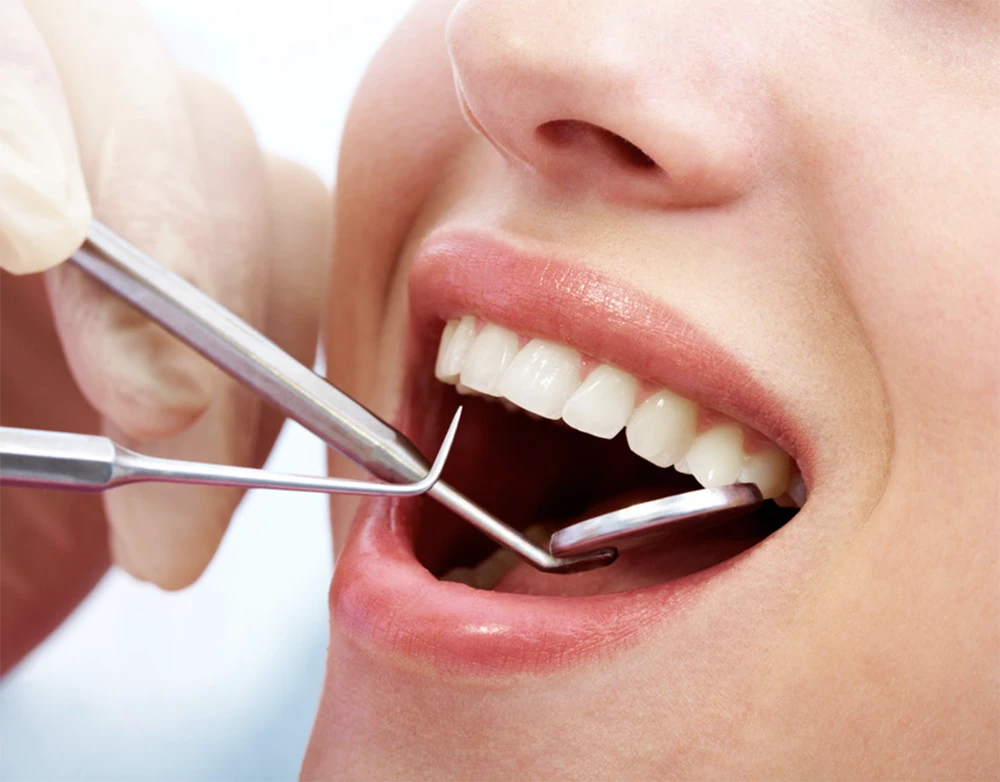
Understand the Long-Term Impact of Oral Health
Your oral health directly influences more than just your mouth. Poor hygiene and untreated dental issues can lead to infections, gum disease, and even systemic health problems affecting the heart and immune system. Tooth loss, in particular, can significantly impact daily life, from eating and speaking comfortably to maintaining facial structure. According to Cleveland Clinic, roughly 178 million adults in the United States have lost at least one tooth—a statistic that highlights how common and preventable tooth loss can be with consistent care.
Focusing on prevention rather than reaction is key. Regular dental visits, daily brushing and flossing, and mindful nutrition all play major roles in maintaining healthy gums and strong teeth.
Make Preventive Care a Priority
Preventive dental care is one of the most cost-effective and beneficial long-term strategies. Regular cleanings remove plaque buildup that daily brushing may miss, while checkups allow dentists to detect cavities, gum disease, and enamel wear early. According to Forbes, about 90% of American adults over the age of 20 have experienced at least one cavity, proving that decay is nearly universal—but also manageable with proper maintenance.
Fluoride treatments, dental sealants, and professional cleanings are simple preventive steps that can drastically reduce future dental issues. Combining these treatments with strong at-home habits minimizes the need for more complex procedures later.
Maintain a Consistent Daily Routine
Consistency is what keeps your smile healthy long-term. Brushing twice a day with fluoride toothpaste and flossing once daily are the foundation of any solid routine. Replace your toothbrush every three to four months or sooner if the bristles become worn. For additional protection, consider using mouthwash to reduce bacteria and strengthen enamel.
Diet also plays a vital role. Limiting sugary foods and acidic beverages helps prevent enamel erosion and cavities, while drinking plenty of water keeps your mouth clean between brushings. Foods rich in calcium, vitamin D, and phosphorus support strong teeth and bones.
Invest in Restorative and Cosmetic Solutions Wisely
Modern dentistry offers solutions that restore function and confidence when damage or tooth loss occurs. Veneers, implants, crowns, and bridges can all improve the look and integrity of your smile, but it’s important to understand their longevity and maintenance requirements. For instance, dental veneers—thin coverings bonded to the front of teeth—can dramatically improve appearance. According to Colgate, veneers generally last around 10 years when cared for properly.
Before committing to any cosmetic or restorative procedure, discuss long-term care and expected lifespan with your dentist. Regular checkups and proper cleaning can help extend the results of these treatments.
Protect Gums as Carefully as Teeth
Healthy gums are the foundation of a stable smile. Gum disease, often caused by plaque buildup, can progress from mild irritation to severe infection and tooth loss if left untreated. Redness, swelling, and bleeding during brushing are early warning signs that should never be ignored.
Using a soft-bristled toothbrush and gentle circular motions helps prevent gum recession. Routine professional cleanings remove tartar buildup that can’t be reached with brushing alone. For added prevention, consider using an interdental brush or water flosser to clean between teeth and along the gumline.
Consider Long-Term Dental Investments
Some upgrades, while initially costly, can yield significant benefits over time. Replacing outdated dental work, upgrading fillings, or investing in orthodontic treatment can prevent more expensive complications later. Straight teeth are easier to clean, reducing the risk of cavities and gum disease. Similarly, replacing missing teeth with implants or bridges preserves alignment and jaw health, which can help prevent facial sagging and bone loss.
Even cosmetic improvements can contribute to long-term oral stability when they strengthen weakened enamel or restore proper bite alignment. Discussing priorities with your dentist helps ensure you choose procedures that fit your needs and budget.
Make Dental Visits a Habit, Not a Reaction
Many people delay dental appointments until pain or visible problems arise, but routine visits are crucial to prevention. Dentists use these appointments to detect early signs of decay, oral cancer, and gum disease. Establishing a twice-yearly cleaning schedule ensures your teeth stay healthy and gives you peace of mind knowing potential issues will be caught early.
It’s also important to maintain open communication with your dental care team. Sharing updates about your health, medications, and habits helps them tailor advice and identify potential risk factors.
Prioritizing your teeth and gums long-term means focusing on prevention, consistency, and smart investments. From daily hygiene and regular checkups to understanding treatment longevity, every step you take now contributes to lasting oral health. By maintaining good habits and seeking professional guidance, you can keep your smile strong, bright, and functional for years to come—ensuring both confidence and well-being go hand in hand.
- About the Author
- Latest Posts

Our Editorial Team are writers and experts in their field. Their views and opinions may not always be the views of Wellbeing Magazine. If you are under the direction of medical supervision please speak to your doctor or therapist before following the advice and recommendations in these articles.