Feeling settled and secure at home often starts before anyone steps inside. The areas immediately outside the front door influence how relaxed people feel when they leave for the day, return in the evening, or move through outdoor spaces. Lighting, pathways, plants, textures, and ground conditions work together to create an atmosphere that either supports comfort or introduces small moments of uncertainty. These details form the first impression of home each day and quietly shape how safe and at ease someone feels.
The Subtle Ways Outdoor Surroundings Affect Everyday Comfort
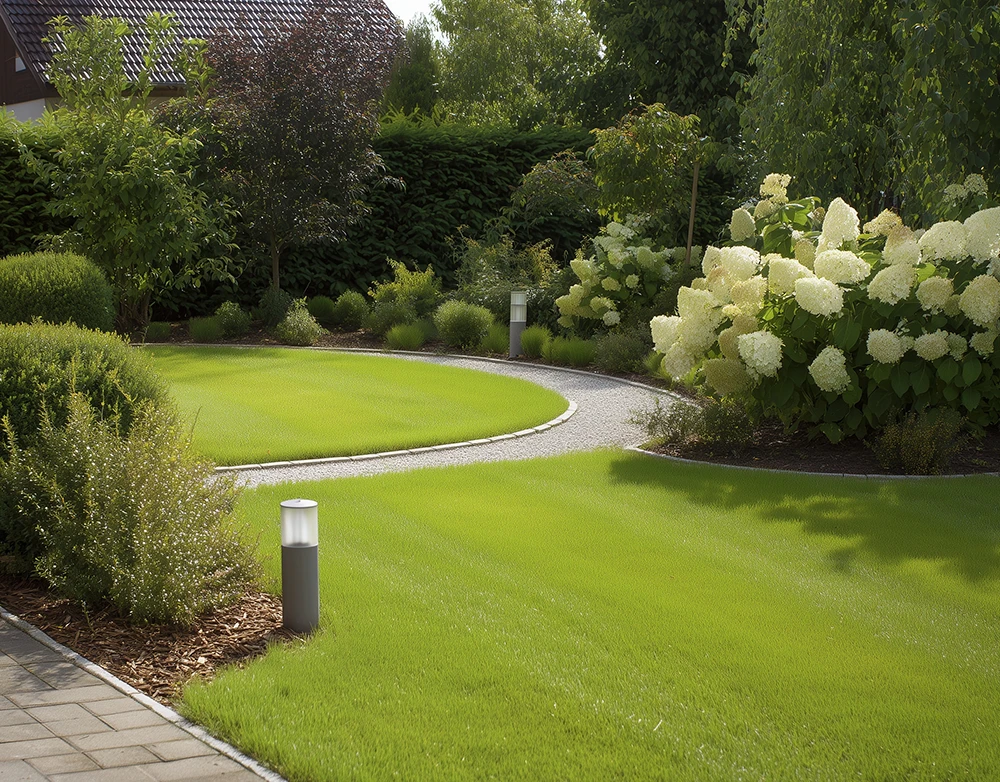
Many homeowners focus on arranging their interiors, while the outdoor space also influences wellbeing. Soft lighting along a walkway, clear sightlines, and tidy greenery can steady the mind long before anyone reaches the door. Overgrown shrubs, cluttered corners, or uneven surfaces often have the opposite effect because the brain registers these irregularities as signs to stay alert.
People often respond to these cues instinctively. A walkway that feels smooth and dependable encourages natural movement, while a poorly lit or visually crowded area can create tension that follows a person inside. Bringing awareness to these details helps homeowners understand how outdoor surroundings shape everyday comfort in subtle but meaningful ways.
Why the Condition of Pathways and Ground Surfaces Matters More Than People Realize
Ground surfaces influence how safe someone feels while moving around a property. Small dips, raised edges, or shifting soil can create hesitation, especially when the surface feels unpredictable. These irregularities impose additional physical and mental demands on the body and can create unease even in familiar settings.
Safety experts often highlight how environmental features contribute to preventable hazards around the home. The Royal Society for the Prevention of Accidents notes that variations in surface conditions and outdoor obstacles can affect how confidently people move through everyday spaces. Guidance like this reinforces the view that surrounding surfaces play a real role in how comfortable and secure an outdoor area feels.
Temperature swings, moisture changes, soil composition, and material age all affect how walkways perform over time. As these factors accumulate, the ground can settle, affecting a space’s stability. Noting these gradual shifts helps homeowners understand how outdoor surfaces contribute to a sense of ease and safety.
How Climate and Location Shape Outdoor Safety Across Different Regions
The development of outdoor surroundings depends heavily on the climate and soil beneath them. In colder regions, surfaces often shift throughout the year as moisture freezes and thaws. This seasonal movement can lead to small changes in elevation that make walkways feel less predictable. Cities throughout Michigan and parts of upstate New York experience these shifts regularly, which is why attention to outdoor surfaces tends to rise in early spring and late autumn.
Coastal cities such as Charleston and Tampa face different conditions. Higher moisture levels and softer soil mean the ground can settle unevenly after periods of rain. This gradual settling affects how outdoor paths feel underfoot and often encourages homeowners to check these areas more frequently.
Regions with clay-rich soil, including parts of Texas and Colorado, often experience cycles of expansion during wet weather followed by contraction during dry periods. These natural changes influence how steady outdoor surroundings feel, particularly in older neighborhoods where walkways were installed many years ago.
Pennsylvania has a pattern shaped by its own mix of climate and soil. Towns such as Lancaster experience freeze-thaw cycles that damage driveways, patios, and footpaths over time. Freezing and thawing patterns in Pennsylvania create similar conditions across the region. In towns where winter temperatures shift quickly, the ground can heave during colder months and settle again as the weather warms, and methods such as slab jacking in Willow Street PA are sometimes used when these seasonal changes cause outdoor surfaces to sink or rise unevenly.
These shifts influence how steady outdoor surroundings feel throughout the year and show how much climate and geography guide the sense of reassurance people feel when moving through their outdoor spaces.
Practical Ways to Create Safer, More Comfortable Outdoor Spaces
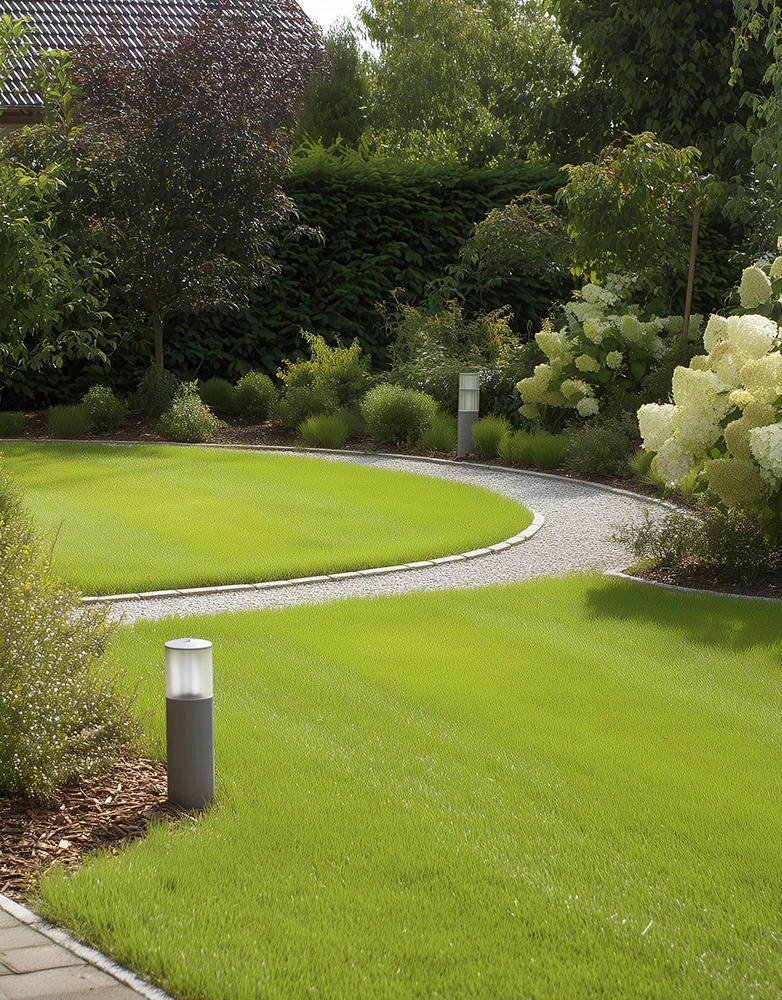
A few thoughtful adjustments can make outdoor areas feel more predictable and welcoming. Lighting is often the simplest place to begin. Soft, steady illumination near entry points or along walkways can guide movement and reduce uncertainty during darker hours.
Clearing away excess plant growth and debris also helps. Leaves, loose gravel, and overgrown shrubs can interrupt the natural rhythm of walking, so trimming vegetation and smoothing small inconsistencies keep pathways steady. Some homeowners choose textured materials for steps or level out transitions between surfaces to create a more cohesive feel.
Furniture placement also influences how outdoor spaces function. Items positioned too close to walkways can make a space feel crowded, while well-placed seating or planters encourage a natural flow. These adjustments can make outdoor areas more enjoyable to use and more supportive of daily routines.
How to Maintain Outdoor Surroundings That Support Long-Term Wellbeing
Supportive outdoor surroundings come from steady, consistent care. Periodic checks for uneven spots, pooled water, or shifting blocks help homeowners notice early signs of change. Addressing these details promptly keeps outdoor areas feeling stable and easy to move through.
Seasonal weather patterns influence how surfaces behave. Soil and materials respond differently after prolonged rain, heat, or dry periods, so observing these changes helps identify which areas may need attention.
Many people see this type of maintenance as part of a broader effort to create a balanced and comfortable living environment. A resource such as this guide to creating calm and comfortable living spaces offers helpful insights into how supportive surroundings influence wellbeing indoors. Outdoor areas play a similar role, and steady care helps them remain inviting places that contribute to a grounded daily experience.
Conclusion
Outdoor surroundings shape the comfort and reassurance people feel as they approach or leave their homes. Steady lighting, clear walkways, and thoughtful plant arrangements all contribute to an atmosphere that feels safe and welcoming. These features work quietly, influencing how outdoor areas support daily routines.
Paying attention to how soil and surfaces respond to the seasons brings a clearer understanding of how outdoor spaces evolve. With regular care, these areas remain places where people can move comfortably and feel more connected to their homes. When outdoor surroundings feel dependable and inviting, they strengthen the sense of balance many people look for in everyday life.