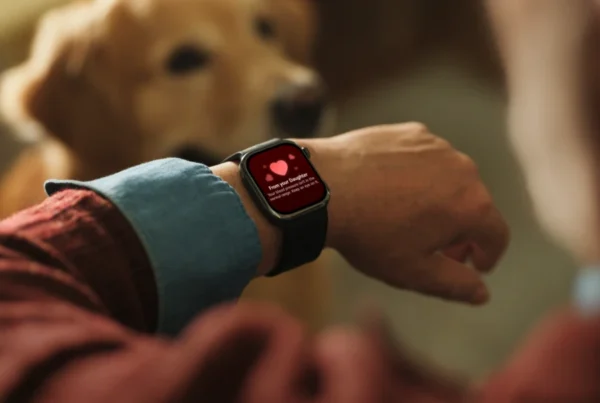
Technology is reshaping the way everyone manages their health, turning what was once a reactive process into a proactive and personalised journey. From wearable devices that track vital signs in real time to smartphone apps that remind us to take medication, digital health tools are empowering individuals to understand their bodies and make informed decisions about their wellbeing. This shift isn’t just about convenience. It’s far more than that. It’s about giving people the insights and resources they need to stay healthy, catch potential issues early, and feel confident navigating the healthcare system.
Smart Wearables and Real-Time Health Tracking
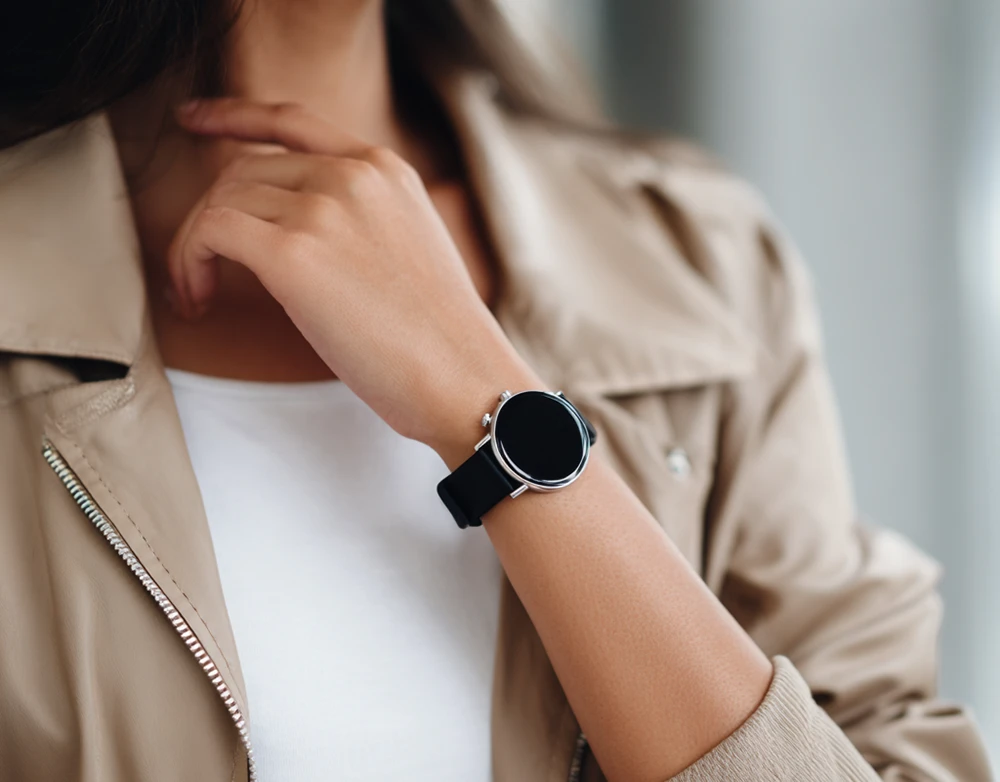
Thanks to smart wearables like fitness bands and smartwatches, people can continuously measure metrics such as heart rate, sleep quality, activity levels, and even blood oxygen saturation. By visualising trends over time, users can spot patterns. For example, it can start recognising that poor sleep on weeknights correlates with lower energy and higher stress. This enables the wearer to adjust their habits accordingly. For individuals managing chronic conditions such as diabetes or cardiovascular disease, these insights can be especially valuable in identifying triggers and avoiding complications before they escalate.
Health Apps and Personalised Care
Health and wellness apps have proliferated across smartphones, offering everything from calorie counting and guided meditation to symptom checkers and medication reminders. Many of these tools use data analytics and machine learning to personalise recommendations based on an individual’s habits and goals. This means someone trying to lower their blood pressure might receive tailored advice on diet and exercise, while another person focusing on mental wellbeing might be guided through breathing exercises and mood tracking. By centralising health data and delivering actionable suggestions, these apps help users stay engaged and motivated in their health journey.
Telehealth and Virtual Consultations
Telehealth platforms have dramatically expanded access to healthcare, especially for people in rural areas or those with mobility challenges. Virtual consultations allow patients to speak with doctors and specialists from the comfort of their home, reducing the need to travel and saving time. During the COVID-19 pandemic, telehealth adoption accelerated rapidly, and many patients have chosen to keep it as a regular part of their care. These remote services often come with secure messaging, digital prescription services, and integrated health records, making interactions with healthcare professionals more seamless and efficient.
Finding Healthcare Services with Digital Tools
Another way technology is helping people take control of their health is by making it easier to connect with local healthcare providers. Instead of spending hours searching for available clinics or waiting on phone lines, digital platforms now enable users to quickly find doctors near me that meet their needs. For example, using Bookable gives you an up-to-date list of practitioners and available appointments in your area. This not only saves time but also puts the power in your hands to choose providers based on location, availability, and specific services offered.
Data, Prevention, and Personal Empowerment
Perhaps the most profound impact of health technology lies in its ability to shift the focus from treatment to prevention. Continuous monitoring and personal data collection mean that risk factors can be identified early, long before they develop into serious conditions. Many tools now integrate with electronic health records, allowing both patients and clinicians to view comprehensive health histories and spot concerning patterns. With this level of insight, individuals are better equipped to discuss health goals with their care teams and make lifestyle changes that matter.
The Future of Tech-Driven Health
As technology continues to evolve, so too will its role in personal health management. However, ultimately, when technology and healthcare work together, individuals are no longer passive recipients of care. Instead, they become active participants in shaping their health outcomes, and as these technologies become more intuitive and accessible, this trend is only set to grow.
- About the Author
- Latest Posts

Our Editorial Team are writers and experts in their field. Their views and opinions may not always be the views of Wellbeing Magazine. If you are under the direction of medical supervision please speak to your doctor or therapist before following the advice and recommendations in these articles.