For many people living with endometriosis, the hardest part is not only the pain — it is the invisibility. The years of being told it is “just period pain.” The quiet endurance. The sense that something is deeply wrong, long before anyone has a name for it.
Carla Cressy knows this landscape intimately.
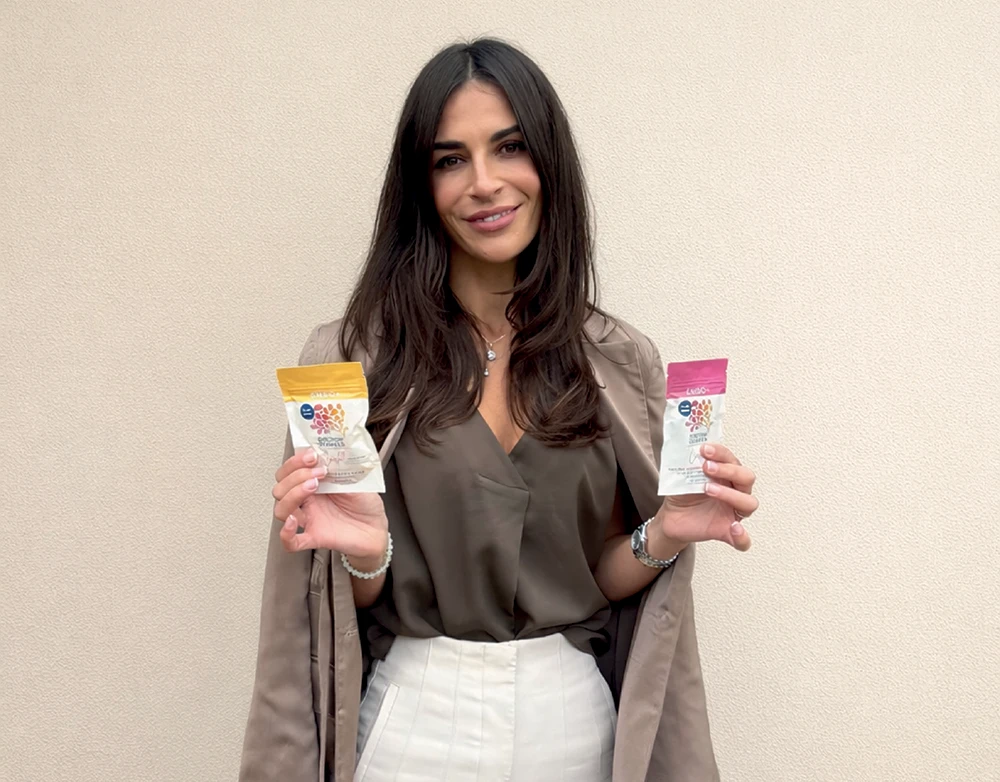
Diagnosed with severe endometriosis in her mid-twenties after more than a decade of escalating symptoms, Carla’s journey has been shaped by pain, misdiagnosis, invasive surgery — and ultimately, by purpose. Today, she is a leading campaigner, founder and CEO of The Endometriosis Foundation, and a key contributor to the formulation of Endo+, a seaweed-based supplement developed with Doctor Seaweed to support those living with the condition.
This is not a story of cure. Endometriosis has no cure.
It is a story of listening — to the body, to lived experience, and to the unmet needs of millions worldwide.
Understanding Endometriosis
Endometriosis is a chronic, inflammatory condition in which tissue similar to the lining of the uterus grows outside the womb. These growths can attach to the ovaries, bowel, bladder, pelvic walls and, in severe cases, other organs.
It is estimated to affect 1 in 10 women, yet the average diagnosis time remains 7–10 years. Symptoms vary widely but commonly include:
- Severe pelvic pain
- Painful periods and ovulation
- Bowel and bladder symptoms
- Fatigue and inflammation
- Fertility challenges
- Chronic pain that affects daily life
Crucially, endometriosis is systemic. It does not only affect the reproductive organs — it can impact digestion, immunity, energy levels, mental health and overall wellbeing.
“There is no single experience of endometriosis,” Carla explains. “Which is why one-size-fits-all advice so often fails.”
A Body in Crisis
Carla’s symptoms began before her periods did. By her teens, she was already under GP care. Over the next decade, her health steadily deteriorated.
Her bowel stopped functioning. Her bladder was compromised. She became severely anaemic from prolonged bleeding. Emergency hospital admissions became routine. She lost jobs. She lost time. She lost certainty.
Despite repeated scans, tests and consultations, endometriosis went undetected — a common reality, as the condition often does not show up clearly on standard imaging.
By the time Carla was finally diagnosed at a specialist centre, the disease had caused extensive damage. She underwent multiple major surgeries, including bowel resection, a temporary stoma, reconstruction of her urinary system, and ultimately a total hysterectomy in her twenties.
“It was only when a multidisciplinary team came together — gynaecology, colorectal surgery, urology — that the full picture became visible,” she says. “And by then, the disease had taken so much.”
When Medicine Isn’t Enough
Current treatments for endometriosis focus on symptom management, typically through hormonal therapies or surgery. While lifesaving and necessary for many, these interventions can be invasive and emotionally taxing.
What is often missing from the conversation is support for the whole person — including nutrition, inflammation management, nervous-system health and emotional wellbeing.
“For years, I was only ever told what not to do,” Carla reflects. “Don’t eat this. Don’t eat that. Don’t stress. Don’t overdo it. That language can be overwhelming — and it can make you feel like you’re failing.”
Instead, Carla began asking a different question:
What can I gently add in, rather than strip away?
The Role of Inflammation — and the Turn Toward Seaweed
Endometriosis is widely recognised as an inflammatory condition. Research increasingly explores how chronic inflammation may influence pain severity, fatigue and disease progression.
This understanding shaped Carla’s interest in nutrition and supplementation — particularly those that might support the body without adding further burden.
Long before any collaboration, she had already been taking Doctor Seaweed’s pure seaweed supplement.
“I noticed a difference,” she says simply. “In my energy. In how run down I felt. In my resilience.”
When a conversation with the Doctor Seaweed team revealed that others with endometriosis had shared similar feedback, something unexpected emerged — not a marketing plan, but a shared curiosity.
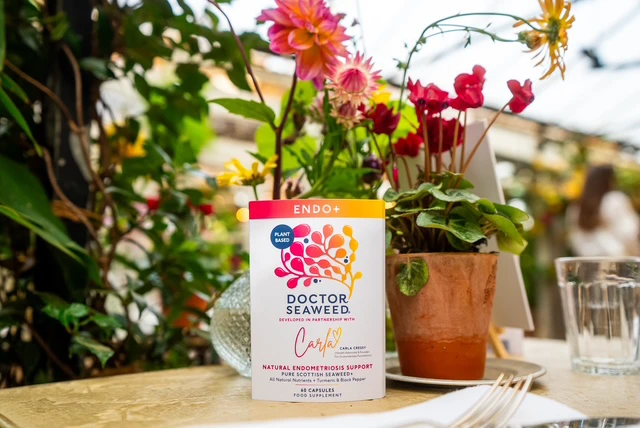
Creating Endo+: A Collaborative Process
The development of Endo+ was slow, deliberate and collaborative. Carla was involved from the earliest stages — questioning ingredients, exploring research, consulting nutritionists and dietitians, and shaping a formulation designed to support, not promise.
The final blend combines mineral-rich seaweed with carefully considered ingredients such as turmeric, traditionally valued for its anti-inflammatory properties.
“We were very clear,” Carla says. “This isn’t a cure. It’s a tool. A gentle one.”
For many living with endometriosis, even small acts of self-care can restore a sense of agency.
“Making a glass of water. Taking a supplement. Choosing to do something kind for your body — that matters, especially when so much feels out of your control.”
Beyond the Body: Community, Advocacy and Hope
Carla’s work extends far beyond supplementation.
After sharing her story publicly for the first time, she was inundated with messages from people who had never before felt seen. That moment led to the creation of The Endometriosis Foundation, now supporting thousands through nurse-led services, education, policy advocacy and community connection.
The Foundation continues to campaign for earlier diagnosis, better professional education, fertility support and trauma-informed care.
“Endometriosis doesn’t just affect organs,” Carla says. “It affects identity, relationships, confidence, mental health. Community is not optional — it’s essential.”
A Message for Those Living with Endometriosis
If there is one message Carla hopes readers take with them, it is this:
You are not weak.
You are not imagining it.
You are not alone.
Managing endometriosis is not about perfection. It is about patience, self-compassion and finding support — medical, emotional and practical — that honours your individual experience.
“There is hope,” Carla says. “Not always in the way we expect — but in connection, in knowledge, and in learning to listen to our bodies with kindness.”
Support & Resources
If you or someone you love is living with endometriosis and needs support, The Endometriosis Foundation (TEF) offers:
- Free one-to-one nurse appointments
- Virtual support groups
- Trusted signposting and resources
Support is open to anyone who needs it.
DISCOVER:
theendometriosisfoundation.org/speaktoanurse
- About the Author
- Latest Posts

Our Editorial Team are writers and experts in their field. Their views and opinions may not always be the views of Wellbeing Magazine. If you are under the direction of medical supervision please speak to your doctor or therapist before following the advice and recommendations in these articles.