An accident takes away much more than just the ability to drive or walk without pain for a few weeks. It often robs a person of the simple joys that make a daily routine feel meaningful and worthwhile. Whether it is gardening on a Sunday or playing catch with a child, these missing moments create a heavy emotional void.
Most people focus on the visible costs like hospital bills and repair shop estimates when they think about a legal claim. While these numbers are important, they fail to capture the true weight of losing your favorite hobbies or your sense of independence. A financial check for a medical bill does not fix a missed family vacation.
Modern legal standards recognize human experience is worth protecting even when loss is not easily tallied. Recovering from an event involves seeking quality of life damages to address personal changes. This approach ensures the law looks at the whole person.
Physical Limitations
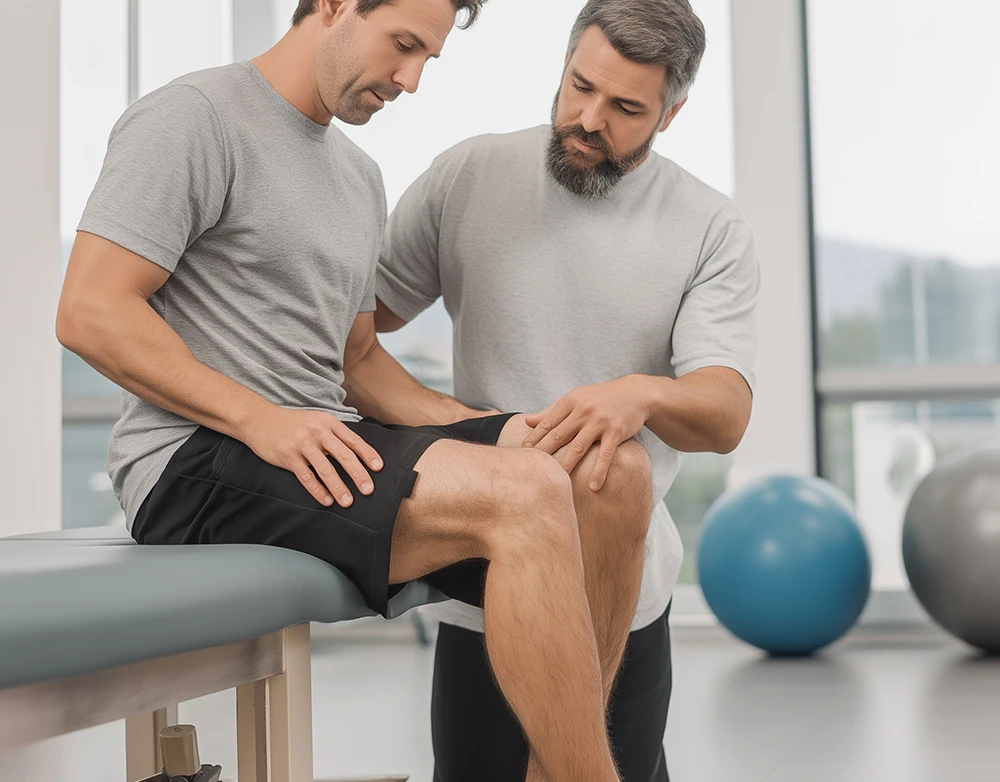
Losing the ability to move freely is one of the most jarring changes a person can experience after a sudden impact. Tasks that used to be automatic, like climbing stairs or carrying groceries, suddenly require intense effort and planning. This physical struggle is a constant reminder of the event that changed everything in an instant.
Chronic pain often settles into the joints or the back, making it impossible to sit or stand for long periods of time. This limitation forces people to give up activities they once loved, such as hiking or long walks in the park. The world starts to feel smaller when your own body becomes a barrier to your favorite places.
Adapting to these new physical boundaries takes a significant toll on a person’s spirit. It is a slow and difficult process that involves relearning how to navigate a world that was not built for your current struggles. These hurdles represent a tangible loss of freedom that persists long after the initial wounds have finally healed.
Emotional and Psychological Effects
The mental strain following a crash is often just as debilitating as any broken bone or deep scar. Many survivors find themselves reliving the moment of impact every time they close their eyes or hear a loud noise. This persistent anxiety makes it difficult to focus on work or enjoy time with friends and family members.
Depression can set in when a person feels trapped by their new limitations and the slow pace of recovery. The loss of a previous lifestyle creates a sense of mourning for the person they used to be before the accident occurred. It is an internal battle that others might not see but the victim feels every day.
Fear of getting back on the road is another common hurdle that limits a person’s ability to live a full life. This psychological barrier can prevent someone from attending social events. These invisible wounds require just as much care as any visible injury on the skin.
Relationship and Lifestyle Changes
Injuries do not just affect the person who was hurt but ripple through their entire social circle and family. A parent might find they can no longer pick up their toddler or participate in active games during a birthday party. These missed connections change the dynamic of a household and create a sense of deep isolation.
Social lives often shrink when a person can no longer keep up with the pace of their friends or peers. If you cannot stand for long periods, you might stop going to concerts, sporting events, or even dinner parties. The loss of these shared experiences makes the recovery process feel much lonelier and more difficult.
Intimate relationships also face unique pressures when one partner must take on a caregiver role for an extended period. The balance of a partnership shifts, leading to stress. These changes represent a fundamental shift in the quality of a person’s daily life.
Evaluating Quality of Life Changes
Putting a specific value on a person’s happiness or their ability to enjoy a hobby is an incredibly complex task. Unlike a medical bill, there is no receipt for the frustration of being unable to play a musical instrument. Judges and juries must rely on personal testimony to understand the true depth of the loss.
Experts sometimes use specific scales to measure how an injury has impacted a person’s ability to perform daily activities. They look at things like sleep quality, social interaction, and the ability to maintain personal care without any help. This data provides a structured way to talk about very subjective and emotional human experiences.
The goal is to translate these abstract losses into a language that the legal system can finally act upon. By comparing a person’s life before and after the event, a clearer picture of the damage begins to emerge. It is a process that requires honesty and a willingness to share details.
Conclusion
A person is much more than a collection of medical records and bank statements that track a recovery. The value of a life is found in the moments of joy and the connections we build with those around us. When an accident disrupts these elements, the harm is just as real as any physical wound.
Recognizing the importance of daily living ensures that the legal process addresses the whole person rather than just their bills. It provides a path toward a resolution that truly reflects the weight of the experience. This comprehensive view is essential for anyone looking to reclaim their future and move forward with peace.
Healing involves more than just fixing what is broken but also finding a way to enjoy life once again. Acknowledging the impact on quality of life is a vital step in that long journey. It validates the struggle and helps victims find the resources needed to build a new life.
- About the Author
- Latest Posts

Our Editorial Team are writers and experts in their field. Their views and opinions may not always be the views of Wellbeing Magazine. If you are under the direction of medical supervision please speak to your doctor or therapist before following the advice and recommendations in these articles.