You want clothing choices that protect your child’s skin while aligning with how sustainability looks in 2026. Kids’ organic cotton underwear stands out because it focuses on comfort, safety, and responsible sourcing without adding complexity to everyday life. Brands now prioritize certified organic fibers, simple construction, and transparent production.
Kids’ organic cotton underwear ranks as a top sustainability choice in 2026 because it reduces chemical exposure, lowers environmental impact, and delivers breathable comfort suited for daily wear. Organic cotton grows without synthetic pesticides, uses fewer harmful inputs, and supports cleaner manufacturing standards. These factors matter more as families expect practical products to meet higher environmental benchmarks.
You also see wider availability and better design than in past years. Leading kids’ underwear brands combine organic cotton with durable fits, making sustainable options easier to find and easier to trust. That balance keeps organic underwear relevant as sustainability shifts from trend to expectation.
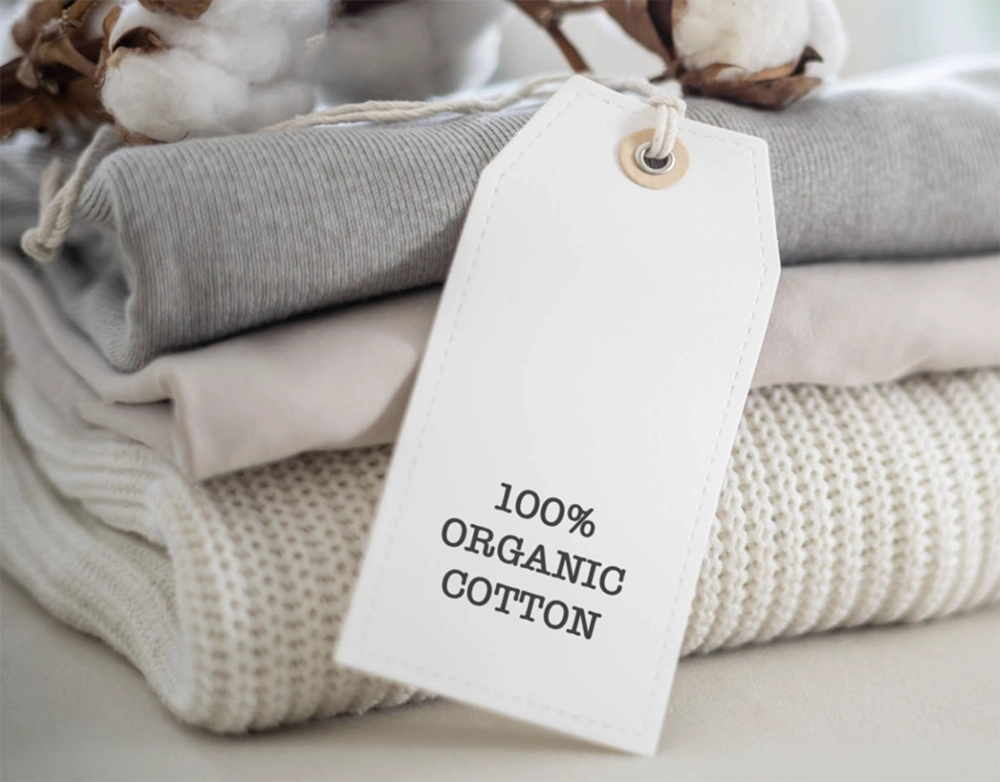
Key Takeaways
- Organic cotton underwear supports safer skin and cleaner production.
- Sustainable kids’ underwear now combines comfort, durability, and transparency.
- More trusted brands make organic options accessible in 2026.
Why Kids’ Organic Cotton Underwear Leads 2026 Sustainability Trends
You see clear shifts in materials, health standards, and product performance driving children’s apparel in 2026. Certified sourcing, skin-safe construction, lower environmental impact, and everyday durability define why this category stands out.
Certified Organic Cotton: Setting the Standard
Certified organic cotton anchors trust in kids’ clothing. You can verify claims through recognized frameworks such as GOTS‑certified organic cotton, which follows the Global Organic Textile Standard from farming to finished garment.
| Standard | What It Confirms | Why It Matters to You |
| GOTS | Organic fibers, safe dyes, ethical processing | Reduces chemical exposure |
| USDA Organic (fiber level) | Non-GMO cotton, no synthetic pesticides | Protects soil and water |
| OEKO‑TEX® (often paired) | No harmful substances in finished fabric | Adds product-level safety |
Brands using organic Pima cotton often meet these standards while offering longer fibers and smoother yarns. This structure supports consistent quality in organic cotton underwear made for daily wear.
Health and Skin Benefits for Children
You choose organic underwear for kids because skin contact matters. Organic cotton undies avoid residues from synthetic pesticides and harsh finishing agents that can trigger irritation.
Breathable underwear helps manage moisture during school, sports, and sleep. That airflow reduces friction and heat buildup, which supports comfort for sensitive skin.
Parents often notice fewer rashes when switching to organic cotton briefs or training underwear. Period underwear made with certified organic cotton also minimizes contact with irritants during extended wear. These benefits focus on prevention rather than treatment, which aligns with long-term skin care for children.
Environmental Advantages of Organic Fabrics
Organic cotton farming relies on crop rotation and natural pest management. You support lower water contamination and healthier soil by choosing sustainable fabrics.
Compared with conventional cotton, organic systems typically use less synthetic input and protect nearby ecosystems. That impact scales when brands commit to organic underwear for kids across multipacks and core styles.
Many manufacturers now pair organic fibers with low-impact dyes and reduced packaging. This approach reflects 2026 sustainability priorities without changing how you shop or wash everyday essentials.
Durability and Comfort in Everyday Use
You expect underwear to last through frequent washing. Organic cotton, especially organic Pima cotton, offers stronger fibers that resist thinning and pilling.
Softness does not fade quickly when brands avoid chemical softeners. Instead, fiber quality delivers comfort over time.
Design also matters. Flat seams, tag-free construction, and stable waistbands improve fit across organic cotton briefs, training underwear, and period underwear. These details help define what many parents consider the best organic cotton underwear for consistent, everyday use.
The Best Organic Cotton Underwear Brands for Kids in 2026
You see clearer standards in materials, production, and packaging across leading organic cotton underwear brands for kids. The strongest options balance comfort, durability, verified certifications, and practical design for daily wear.
Notable Sustainable Kids’ Underwear Brands
Several brands set the benchmark for organic kids clothes in 2026 by focusing on certified fabrics and kid-tested comfort. Hanna Andersson stands out for long-lasting, tag-free underwear that holds shape after frequent washing. Q for Quinn emphasizes GOTS-certified organic cotton with low-impact dyes and smooth seams for sensitive skin.
You also see strong demand for Burt’s Bees Baby and Colored Organics, both known for soft basics that pair well with organic cotton pajamas and organic cotton socks. Little Green Radicals brings bold colors and Fairtrade practices into sustainable kids clothing. For families shopping across age groups, WAMA Underwear adds plant-based fibers and minimalist designs, linking sustainable underwear and sustainable lingerie under one supply chain.
Ethical Manufacturing and Packaging Innovations
You benefit when brands invest in transparent manufacturing and safer packaging systems. Many leading labels now publish factory audits and labor standards alongside product details. This approach helps you compare more than price or style.
Packaging also shifts toward reduced waste. You increasingly receive underwear in eco-friendly packaging, including recycled paper mailers and compostable packaging made from plant starch. Some brands eliminate plastic tags and replace them with printed sizing guides. These changes reduce landfill waste while keeping shipping practical for online orders.
Choosing the Right Organic Cotton Underwear
You get better results when you match underwear features to your child’s daily routine. Focus on certified organic cotton, flat seams, and elastic wrapped in fabric rather than exposed rubber. These details matter for comfort during school and play.
Use this checklist when comparing options:
- Certifications: GOTS or equivalent organic standards
- Construction: Tag-free labels and reinforced waistbands
- Fit range: Inclusive sizing that supports growth
- Care needs: Machine-washable without special detergents
When underwear aligns with the rest of your child’s organic cotton basics, you simplify laundry and maintain consistent comfort across seasons.
Conclusion
You choose kids’ organic cotton underwear in 2026 because it aligns comfort, skin safety, and measurable sustainability without adding complexity to daily care. Breathable fabrics and low-chemical production reduce irritation while meeting rising expectations for responsible sourcing.
You also respond to durability and transparency, which help limit waste and support longer wear cycles. These factors position organic cotton as a practical standard within current sustainability trends rather than a niche option.
- About the Author
- Latest Posts

Our Editorial Team are writers and experts in their field. Their views and opinions may not always be the views of Wellbeing Magazine. If you are under the direction of medical supervision please speak to your doctor or therapist before following the advice and recommendations in these articles.