As conversations around wellbeing in the workplace continue to evolve, clothing is increasingly recognised as more than a matter of appearance. What people wear to work can directly affect their safety, comfort, productivity and long-term health. Yet the terms industrial clothing and regular workwear are often used interchangeably, despite serving very different purposes.
Understanding the distinction is essential for employers, managers and employees alike—particularly in environments where health and safety are critical.
Defining Regular Workwear
Regular workwear typically refers to garments designed to create a professional, cohesive look while offering basic comfort for everyday tasks. Think of office uniforms, hospitality attire, retail outfits or smart-casual garments worn in service-based roles.
These garments often prioritise brand identity, fit and style over heavy-duty protection. Many modern work uniforms are well-designed, breathable and practical for daily movement, but they are not necessarily built to withstand hazardous conditions.
Regular workwear is ideal for environments where risks are low, such as offices, customer-facing roles, wellness centres or creative industries. While comfort and durability matter, these garments are not usually tested against rigorous safety standards.
What Is Industrial Clothing?
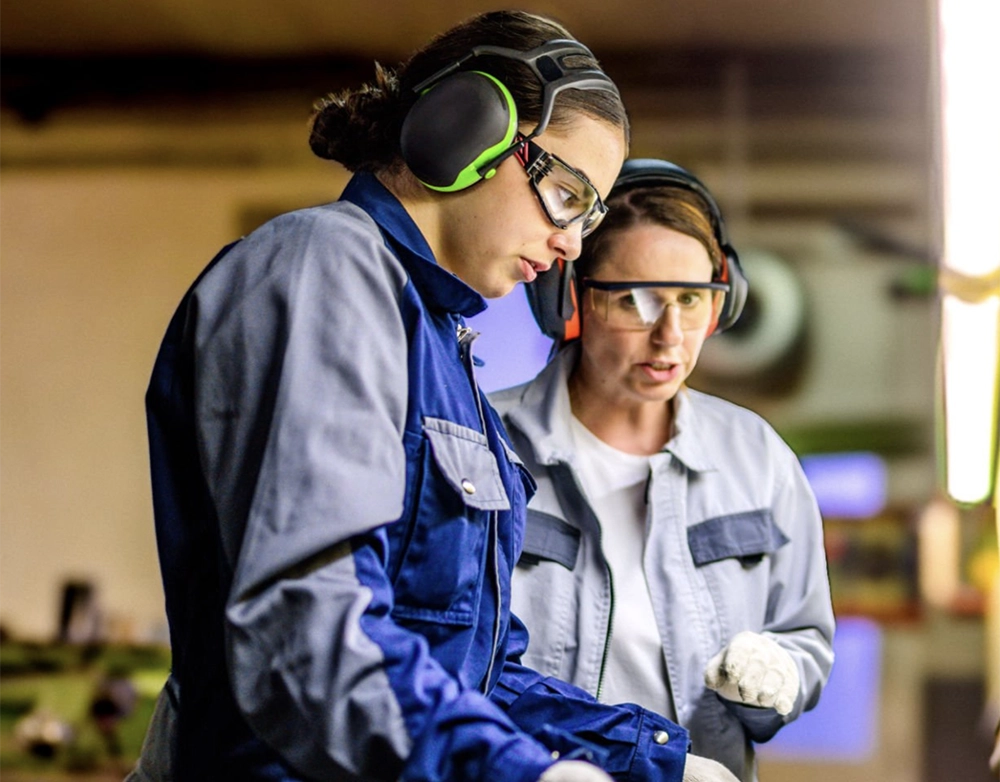
Industrial clothing, by contrast, is purpose-built for high-risk environments. It is designed to protect workers from physical, chemical, thermal or environmental hazards commonly found in manufacturing, construction, engineering, logistics and heavy industry.
Industrial clothing must often comply with strict international safety regulations, such as ISO or EN standards. These standards govern everything from flame resistance and high-visibility requirements to chemical splash protection and anti-static properties.
In wellbeing terms, industrial clothing plays a vital role in injury prevention, reducing workplace accidents and protecting long-term health.
Materials: Comfort vs. Protection
One of the clearest differences lies in materials.
Regular workwear is commonly made from cotton, polyester blends or lightweight fabrics chosen for comfort, breathability and ease of care. These materials work well in controlled environments but offer limited protection against hazards.
Industrial clothing uses advanced textiles engineered for resilience. These may include:
- Flame-retardant fibres
- Reinforced weaves to prevent tearing
- Chemical-resistant coatings
- Moisture-wicking yet abrasion-resistant fabrics
These materials help regulate body temperature, reduce strain and protect skin—key factors in supporting physical wellbeing during demanding shifts.
Durability and Longevity
Durability is another defining factor.
Regular workwear is typically designed for moderate use, frequent washing and visual consistency. Over time, seams, buttons and fabrics may wear down under heavy stress.
Industrial garments are constructed for endurance. Reinforced stitching, double-layered stress points and heavy-duty fastenings ensure garments hold up under extreme conditions. This durability is not just a cost-saving measure—it also reduces the risk of garment failure that could lead to injury.
From a wellbeing perspective, reliable clothing reduces distraction, discomfort and fatigue, allowing workers to focus safely on their tasks.
Safety Standards and Compliance
Perhaps the most important difference is safety certification.
Industrial clothing must meet specific standards depending on the industry. High-visibility garments improve visual awareness, flame-resistant clothing protects against burns, and anti-static garments reduce explosion risks in sensitive environments.
Regular workwear rarely undergoes this level of testing. While it may meet general quality benchmarks, it is not intended to mitigate serious workplace hazards.
Employers have a duty of care to ensure clothing matches the risk level of the role—an essential part of occupational health and safety.
Fit, Function and Mental Wellbeing
Interestingly, both industrial clothing and regular workwear increasingly recognise the importance of fit and psychological wellbeing.
Ill-fitting garments can restrict movement, increase fatigue and even contribute to musculoskeletal strain. That’s why many organisations now invest in custom work shirts and tailored solutions that balance protection with comfort.
When employees feel comfortable, protected and confident in their clothing, it positively impacts morale, focus and overall wellbeing—an often-overlooked benefit of thoughtful uniform design.
Choosing the Right Clothing for Workplace Wellbeing
The real difference between industrial clothing and regular workwear lies in intended use. One supports identity and comfort in low-risk settings; the other safeguards health and safety in demanding environments.
For wellbeing-led organisations, the decision should never be about aesthetics alone. Assessing workplace risks, understanding safety requirements and prioritising comfort and fit all contribute to a healthier, safer workforce.
Ultimately, the right clothing is not just what looks appropriate—it’s what protects people, supports their bodies and enables them to thrive at work.
- About the Author
- Latest Posts

Our Editorial Team are writers and experts in their field. Their views and opinions may not always be the views of Wellbeing Magazine. If you are under the direction of medical supervision please speak to your doctor or therapist before following the advice and recommendations in these articles.