









The Quiet Power of Where You Are: How Environment Shapes Wellbeing
-
- February 5, 2026

There is a kind of stillness that only comes when your surroundings feel right. When the air is warm, the light is soft and the space around you invites you to slow down. It is not something we often talk about in conversations around health, yet the places we inhabit and the landscapes we move through shape our emotional lives more than most of us realise.
Wellbeing is not built solely on what we eat or how often we exercise. It lives in the textures of daily life. In the glow of a room at dusk. In the sound of wind through open country. Our environments hold us in ways that are subtle but deeply felt.
Where Comfort Begins
Home is more than shelter. At its best, it is a place of restoration. A space that supports the nervous system, eases tension and creates the conditions for presence. Research in environmental psychology has long shown that our physical surroundings affect mood, cognitive function and even sleep quality.
Yet many of us overlook the sensory details that make a home feel nurturing. Temperature, light, scent and texture all play a role. When a room feels cold or uninviting, the body contracts. When it feels warm and considered, something in us opens.
This is why intentional home design has become such a meaningful part of the modern wellness conversation. It is not about luxury or trends. It is about crafting spaces that honour your need for peace.
The Role of Warmth in Emotional Health
Warmth is one of the most primal forms of comfort. From the earliest stages of life, we associate warmth with safety, closeness and calm. It is no surprise that studies have linked ambient warmth to improved mood and social connection.
In colder months, the home becomes a sanctuary. The way we heat and light our living spaces can transform them from functional rooms into places of genuine refuge. A well-considered source of warmth does more than raise the temperature. It creates a focal point, a reason to gather and a sense of rhythm in the evening.
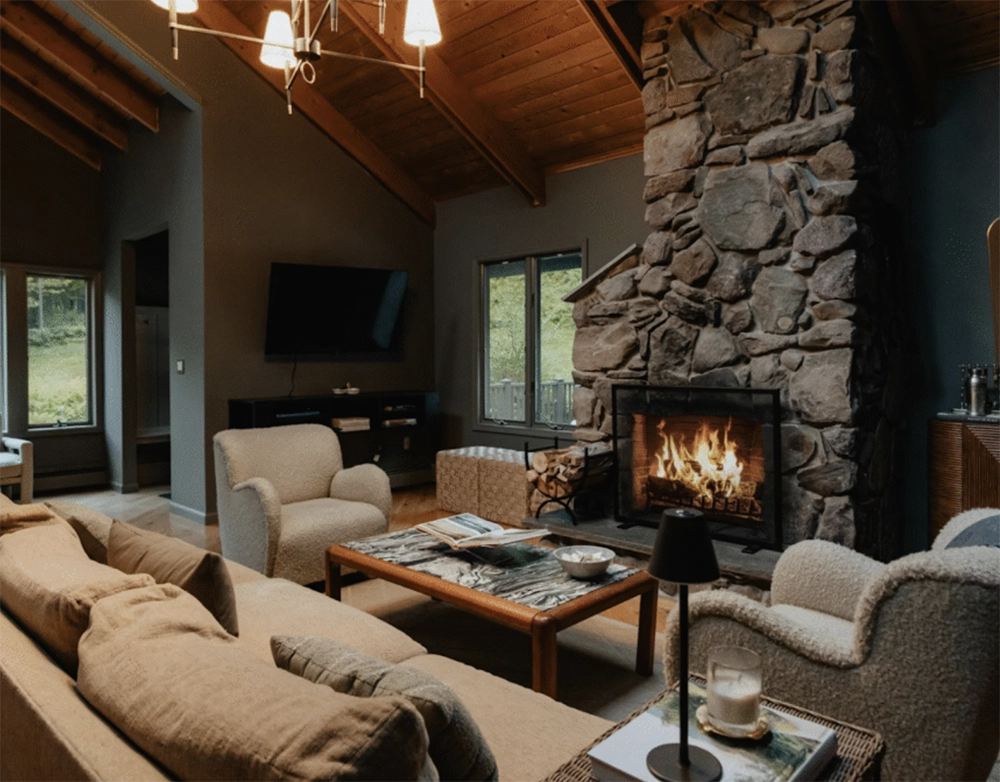
A gas fireplace offers exactly this kind of quiet, reliable warmth. With a clean flame and minimal effort, it brings a living room to life without the mess or maintenance that traditional wood fires demand. For those seeking a mindful home environment, it is a thoughtful choice that blends simplicity with atmosphere.
The presence of real flame in a room changes the energy of the space. It draws the eye, softens conversation and encourages people to sit a little longer. In a world that constantly pulls our attention outward, a fireplace invites us to turn inward and simply be.
Designing Spaces with Intention
Mindful living asks us to consider not just what we do but how we do it. This extends naturally into the way we design and inhabit our homes. A cushion placed with care, a candle lit at the same time each evening or a reading nook that faces the morning light can all become small rituals that anchor us.
Interior wellbeing is not about perfection. Even thoughtful home improvements made gradually can shift the energy of a space. It is about alignment. When your space reflects your values and supports your rhythms, it becomes a partner in your health rather than a backdrop you barely notice.
Consider the rooms where you spend the most time. Do they invite calm? Do they support the kind of life you want to live? Sometimes the smallest shifts, a change in lighting, a rearrangement of furniture or the addition of natural elements, can make the most meaningful difference.
Why We Need the Outdoors Too
While the home provides shelter and stillness, the natural world offers something equally vital. Time spent outdoors activates a different kind of awareness. It engages the senses, resets perspective and reconnects us with rhythms that existed long before screens and schedules.
There is growing evidence that time in nature lowers cortisol, reduces symptoms of anxiety and strengthens our sense of self. Whether it is a morning walk through a local park or a weekend spent in the bush, the benefits of being outside are well documented and deeply felt.
For many Australians, the pull toward remote and wild landscapes is strong. The outback, the coast, the high country. These places offer a kind of freedom that suburban life cannot replicate. They remind us of scale, silence and the beauty of things untouched.

Exploring Safely and Mindfully
Venturing into remote landscapes is one of the most rewarding things a person can do for their mental health. But it also comes with responsibility. The further you travel from familiar roads and phone signals, the more important preparation becomes.
Wellbeing in the outdoors means respecting the environment and your own limits. It means planning your route, telling someone where you are going and making sure you have the right tools to stay safe if something goes wrong.
Outback SafeTrack is one resource that supports travellers heading into remote Australian terrain. Designed with safety and communication in mind, it helps adventurers stay connected even when they are far from the nearest town. For anyone who finds peace in wide open spaces, having reliable support in the background makes it easier to truly let go and be present in the moment.
Safety and freedom are not opposites. When you know you are prepared, you can immerse yourself more fully. You can watch the sun set over red earth without a knot of worry in your chest. That is what mindful exploration looks like.
Finding Balance Between Stillness and Movement
Wellbeing is not a single state. It is a rhythm. A balance between rest and activity, between the inner world and the outer one. The home offers warmth, comfort and grounding. The natural world offers expansion, perspective and renewal.
Both are essential. A life lived entirely indoors becomes stagnant. A life spent always on the move becomes unmoored. The healthiest approach is one that honours both needs and moves between them with awareness.
Think of your week as a kind of breathing pattern. Inhale at home, in the quiet of your living room with soft light and steady warmth. Exhale outside, on a trail or a stretch of open road where the horizon is wide and the air is fresh.
Small Shifts, Lasting Change
You do not need to overhaul your life to feel the benefits of environmental wellbeing. Start with one room. Light a candle. Sit by a fire. Open a window and listen. Then, when the time is right, plan a trip somewhere quiet. Somewhere that asks nothing of you but your attention.
The world around us is always speaking. In the crackle of a flame, the stillness of a winter evening, the vastness of a desert sky. Wellbeing begins when we start to listen.
- About the Author
- Latest Posts

Our Editorial Team are writers and experts in their field. Their views and opinions may not always be the views of Wellbeing Magazine. If you are under the direction of medical supervision please speak to your doctor or therapist before following the advice and recommendations in these articles.


