






The Art of Mindful Celebration: How Conscious Choices Around Food and Drink Nourish More Than the Body
-
- February 5, 2026

Gathering as a wellness practice
We rarely think of celebration as a form of self-care. It tends to sit in a different mental category, filled alongside indulgence and excess rather than balance and intention. But the act of gathering around food, sharing something made with care and marking a moment with people who matter is one of the oldest wellbeing practices humans have.
Long before anyone used the word wellness, communities understood that shared meals served a purpose beyond nutrition. They repaired relationships. They marked transitions. They reminded people, in the most sensory way possible, that they belonged somewhere.
Reclaiming celebration as a conscious practice does not require perfection or restriction. It requires attention. And that attention begins with understanding what we choose to share and why it matters.
The emotional architecture of food
Food operates on levels that nutrition labels cannot capture. A meal prepared for someone communicates care in a language that predates words. A birthday cake carries significance that has nothing to do with its sugar content and everything to do with the ritual it represents.
This emotional dimension deserves acknowledgement within wellness conversations rather than dismissal. Too often, holistic health frameworks treat food as purely functional. Macronutrients. Glycaemic indices. Anti-inflammatory properties. These things matter. But they do not tell the complete story of why food affects how we feel.
The complete story includes memory. It includes the sensory experience of texture and aroma. It includes the social context in which food is consumed and the intention with which it was prepared. For many people, the journey toward understanding this relationship between food and wellbeing begins with recognising how deeply cooking and sharing are connected to how we feel.
When we reduce food to its biochemical components alone, we lose something important. We lose the understanding that a slice of cake at a celebration can be genuinely nourishing in ways that have nothing to do with whether it contains refined flour.
Choosing quality as an act of care
The wellness case for quality over quantity applies to celebratory food as powerfully as it applies to everyday eating. One beautiful, well-made dessert shared among friends creates a different experience from a table laden with mass-produced alternatives.
This is not about expense. It is about intention. Choosing food that was made with skill and genuine ingredients reflects the same values that guide other wellness decisions. We read labels on supplements. We consider sourcing when buying produce. The same thoughtfulness can extend to the foods we choose for celebration.
Artisanal bakers and patisseries represent this approach at its most refined. Their work sits at the intersection of craft and care, producing food designed to be savoured rather than simply consumed. When someone arranges a cake delivery for a friend’s milestone, the choice carries meaning beyond the cake itself. It says the occasion mattered enough to seek out something made with real attention.
This kind of intentional choosing aligns naturally with mindful living. It asks us to pause before defaulting to the convenient option and consider what would genuinely serve the moment. Sometimes the answer is simple. Sometimes it involves a little more effort. But the practice of asking the question is itself a form of mindfulness.
Slowing down at the table
Modern life compresses meals into functional intervals. Lunch becomes something consumed at a desk between meetings. Dinner becomes a logistical exercise in feeding a household before bedtime routines begin. Even celebrations can feel rushed, squeezed between commitments.
Mindful eating research consistently points to the value of slowing down. Not just for digestion, though that matters, but for the psychological benefits of being present with food. Tasting it properly. Noticing flavour and texture. Engaging with the people around the table rather than performing the mechanics of eating while attention wanders elsewhere.
Celebratory meals offer a natural opportunity to practise this. The food is often better than what we eat on an ordinary Wednesday. The company is often more intentional. The occasion itself gives us permission to be present in a way that daily routine does not always encourage.
Using these moments as informal mindfulness practice does not require announcement or ceremony. It simply means choosing to notice. The warmth of a just-baked pastry. The way conversation changes when people sit down together. The particular satisfaction of food that someone selected with thought and care.
What we drink matters too
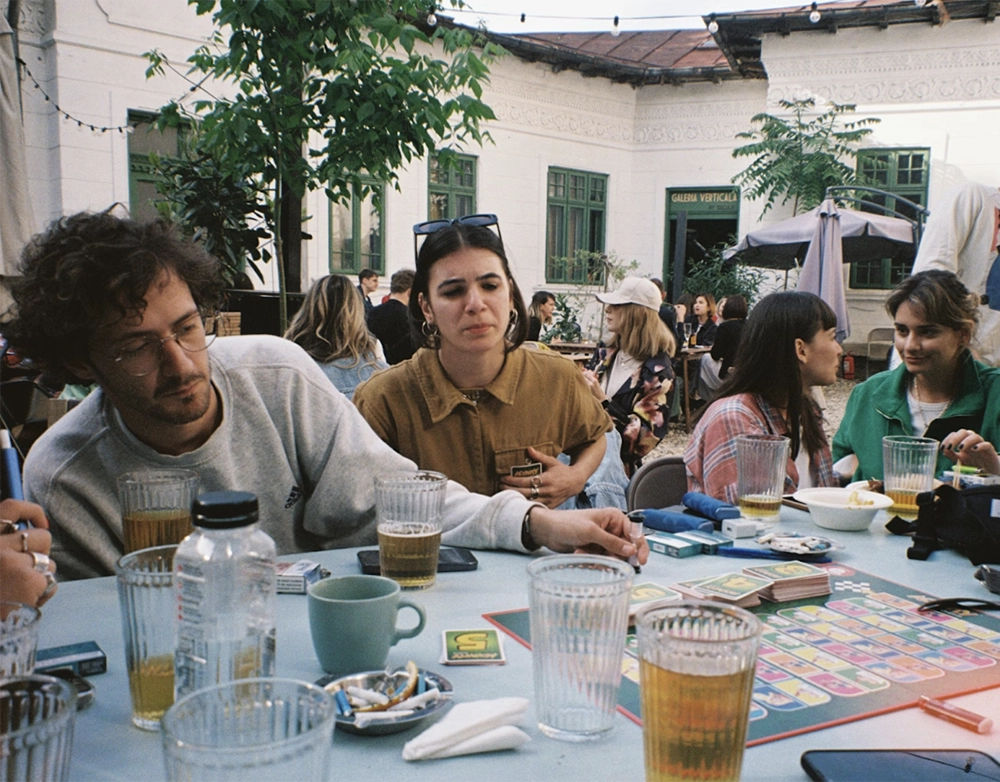
The wellness conversation around alcohol has matured considerably. Where once the discussion was limited to abstinence versus excess, a more nuanced understanding has emerged. Many people now approach wine and other drinks with the same informed curiosity they bring to food.
This means asking questions about how something was produced. Whether the grapes were sustainably farmed. What practices the winemaker follows. How the final product reflects the environment in which it was grown.
Wine, at its best, is an agricultural product shaped by landscape and season. It tells a story about place and care that industrially produced alternatives simply cannot replicate. For those who choose to include wine in their celebrations, understanding this story adds a dimension of appreciation that transforms a glass of wine from a habit into an experience.
Quality wine production faces genuine challenges that most consumers never see. Climate events, seasonal variation and environmental disruption all affect what ends up in the bottle. One significant challenge facing wine regions exposed to bushfire activity involves smoke compounds absorbing into grape skins during the growing season, producing off-flavours that compromise the finished wine.
The science behind smoke taint removal in wine has advanced significantly, offering winemakers methods to address these compounds while preserving the character and quality of their vintages. This kind of innovation matters because it protects the livelihoods of growers working in vulnerable regions and ensures that wine made with genuine care can still reach the table despite environmental pressures.
For the conscious consumer, awareness of these challenges adds depth to appreciation. Knowing that a bottle of wine represents not just craft but also resilience against increasingly unpredictable conditions makes the choice to support quality producers a more meaningful one.
Sustainability as a flavour
There is a growing recognition that sustainability and quality are not competing values. They are deeply connected. Food and drink produced with environmental awareness tends to taste better because the practices that protect soil health and biodiversity also produce more complex and interesting ingredients.
Regenerative farming methods that prioritise soil biology over chemical inputs yield produce with deeper flavour profiles. Vineyards managed with attention to ecosystem health produce grapes with more distinctive character. Bakeries that source seasonal and local ingredients create products that reflect their time and place.
This connection between care and flavour gives conscious consumers a compelling reason to seek out producers who align with their values. The reward is not just ethical satisfaction but genuine sensory pleasure. The two reinforce each other in ways that make sustainability feel less like sacrifice and more like refinement.
Celebration without guilt
Wellness culture sometimes creates an uncomfortable relationship with pleasure. The pressure to optimize every meal, track every input and justify every indulgence can transform eating from a source of joy into a source of anxiety.
Mindful celebration offers a correction. It creates space for pleasure that is neither reckless nor guilt-laden. When you choose a beautiful cake made with real ingredients, share it with people you care about and eat it slowly enough to actually taste it, you are not undermining your wellness practice. You are expressing it.
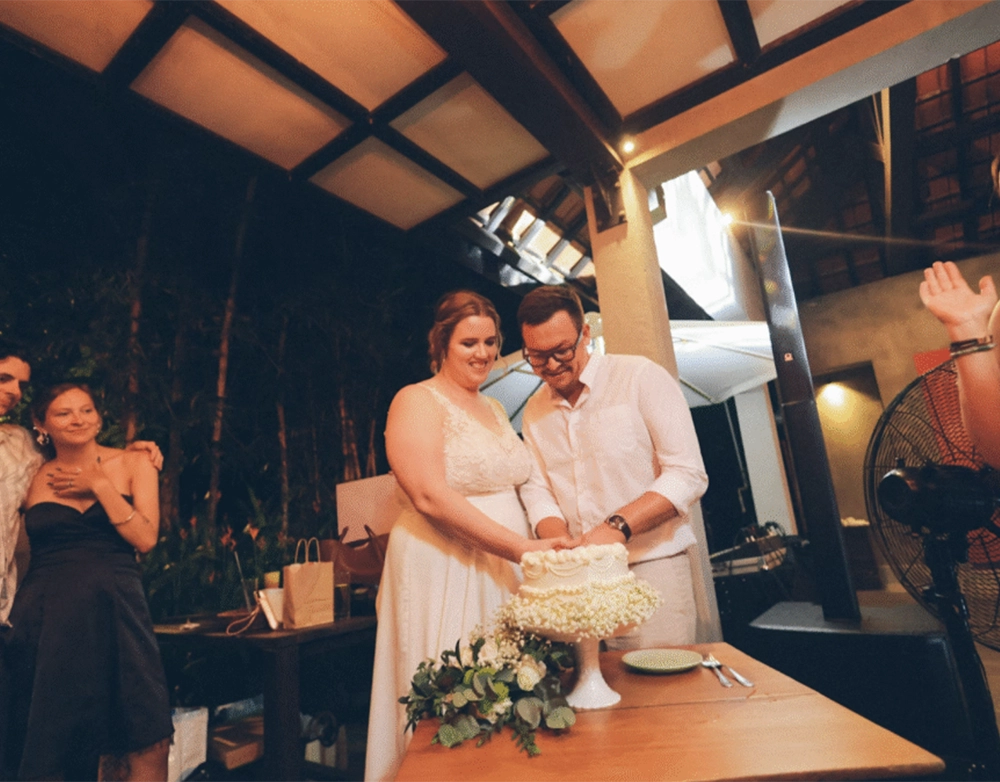
The key distinction is between mindless excess and intentional enjoyment. One leaves you feeling depleted. The other leaves you feeling nourished in ways that extend well beyond the physical.
This distinction matters because long-term wellbeing depends on sustainability. Not just environmental sustainability but personal sustainability. A wellness practice that leaves no room for celebration, sweetness or shared pleasure will eventually exhaust the person trying to maintain it.
The ripple effect of conscious choices
Every choice about what we eat and drink sends a signal. It supports a producer, a method, a set of values. When we choose food made with craftsmanship and care, we participate in an economy that rewards quality over volume.
When we choose wine from producers who invest in sustainable practices and innovative solutions to environmental challenges, we support an industry working to remain viable in a changing climate. These are not grand gestures. They are small, repeated decisions that accumulate into something meaningful over time.
This is perhaps the most practical expression of mindful living. Not a single dramatic transformation but a series of quiet, considered choices that align daily behaviour with deeply held values.
Nourishment in its fullest sense
The word nourishment deserves rescue from its narrow association with vitamins and minerals. To nourish is to sustain. And human beings are sustained by connection, by beauty, by ritual and by the simple act of sharing something good with someone who matters.
A birthday cake that arrives at exactly the right moment. A glass of wine that carries the story of its landscape in every sip. A table set with intention for people gathered with purpose. These are not peripheral to wellbeing. They are central to it.
The invitation is not to celebrate more often or more extravagantly. It is to celebrate more consciously. To notice what you choose and why. To let your celebrations reflect the same values of care, quality and intention that guide the rest of your wellness practice.
In doing so, you discover that the boundary between self-care and celebration was never as firm as it appeared. They are, at their best, the same thing. One expressed in solitude, the other in company. Both rooted in the quiet conviction that how we nourish ourselves matters just as much as what we consume.
- About the Author
- Latest Posts

Our Editorial Team are writers and experts in their field. Their views and opinions may not always be the views of Wellbeing Magazine. If you are under the direction of medical supervision please speak to your doctor or therapist before following the advice and recommendations in these articles.