Durable materials are not the flashy part of a fence plan, but they decide how the fence feels 5, 10, or 20 years from now.
A fence that looks great on day 1 can start leaning, sticking, or cracking sooner than you expect. Long-term planning comes down to picking parts that can take real weather, real use, and small mistakes.
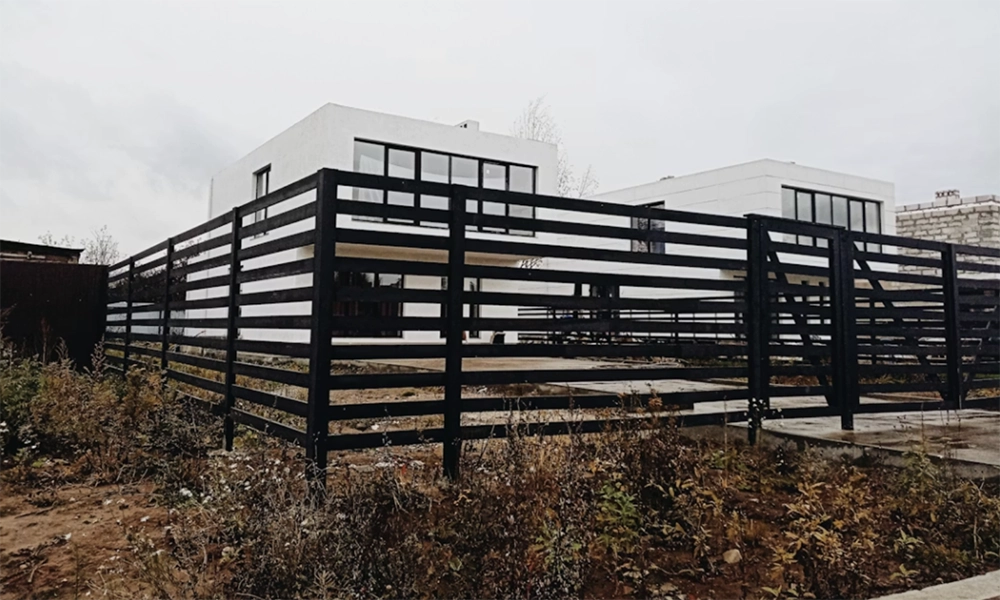
Durability Starts With The Service Life Goal
Start by naming the job: privacy, pet control, pool safety, boundary marking, or noise blocking. Each job puts stress on the fence in a different way, so the “best” material changes with the use. A backyard privacy fence acts like a sail, so stiffness matters as much as looks.
Think in service life, not just installation day. If you plan to stay 15 years, a fence that needs major work at year 8 is not a deal. A longer-lasting material can cost more up front, but it may cut the number of rebuild cycles.
The Weak Points: Posts, Hardware, And Gates
Many fences fail at the connections, not the panels. Posts twist in soft soil, rails pull away, and fasteners rust where water sits. Planning for durability means treating these spots as the “structure,” with pickets and panels as the finish.
Gates take more hits than the rest of the fence daily. If the fence line is built for the long haul, picking hinges, latches, and wood fence gates that match that lifespan keeps the entry point from turning into the first repair job. A gate that sags by 1 inch can scrape the ground, rack the frame, and stress every screw around it.
Match gate width to support, not just convenience. Wide openings need heavier posts, deeper footings, and bracing that resists racking. Building the gate area right once beats chasing sag.
Weather Loads And Ground Contact Are The Biggest Tests
Sun breaks down finishes, rain drives swelling, and freeze-thaw cycles pry at joints. Wind loads show up as vibration and flex, and that motion works fasteners loose. The ground is the harshest zone, since water and soil organisms attack the fence where you least see it.
Plan for exposure before you pick a material. Look at the yard and ask what the fence will face most days:
- Full sun with no shade
- Constant sprinklers near the base
- Snow piles and plow drift zones
- Salt spray from roads or pools
- Clay soil that holds water
- High winds through a corridor
Design choices can lower the load even when the material stays the same. A 2-inch gap under pickets can reduce rot risk near the soil. A cap rail can shed water away from the end grain, helping wood hold its shape.
Coatings, Fasteners, And Small Details That Extend Service Life
Material labels can hide a lot. “Steel” can mean bare steel, galvanized steel, or coated steel, and those behave like different products. The same idea applies to fasteners: the wrong screw can stain wood and fail early, and the boards can still look fine.
Specs can hint at durability. An Anne Arundel County, Maryland construction specification for bonded vinyl coatings calls for a thickness of 10 to 15 mils, which signals that coating depth is treated as a real performance factor, not a cosmetic layer.
Small details pay off. Use exterior-rated fasteners that match the fence material, and avoid mixing metals that can trigger corrosion.
When you choose composite, vinyl, or metal panels, check how the manufacturer handles cut edges, since exposed ends can be the first place rust or chalking starts.
Matching Material To Use: Pets, Privacy, Pools, And Perimeters
A fence that works for pets can be a poor match for privacy, and a pool fence plays by its own rules.
Picket spacing, height, and climb resistance matter just as much as the material. A durable plan connects the material choice to how people and animals will interact with the fence every day.
Perimeter lines deserve the strongest build in the plan.
The Alabama Cooperative Extension System notes that a sturdy, permanent perimeter fence is recommended for the outer boundary of a farm, and that mindset translates well to large properties where the boundary fence takes the most wear from brush, wildlife, and long runs.
Inside the property, you can often mix approaches. Use the toughest materials at corners, along driveways, and where equipment passes close, then use lighter sections where the fence is mostly visual.
This kind of zoning keeps the fence tough where it matters without overspending everywhere.
Counting Maintenance Like A Utility Bill
Maintenance is a pattern. Wood needs cleaning and sealing, metal needs inspection at joints and scratches, and vinyl needs washing to keep grime from bonding. If you skip maintenance, the fence still “charges” you later through repairs.
Some fence types show their costs in small, predictable numbers.
Iowa State University Extension estimates annual ownership cost for polywire or polytape fencing at about $0.08 to $0.09 per foot, which is a reminder that long runs and repeat upkeep add up fast, even when the material is simple.
Build a maintenance plan into the design. Leave access to both sides where possible, so you can rinse, stain, or tighten hardware without tearing up landscaping. Keep vegetation off the fence line, since vines and mulch hold water where damage starts most often.
Designing For Easy Repair And Future Upgrades
Durable fences still get hit by storms, vehicles, or settling soil. The goal is not “never repair,” it is “repair without rebuilding.” That starts with choosing parts that can be swapped without disturbing the whole run.
A repair-friendly fence often follows a few practical rules:
- Use standard panel widths so replacement sections fit cleanly
- Keep fasteners accessible, not buried under trim
- Separate structural posts from decorative panels when possible
- Use sleeves or brackets that let you reset a post without redoing every rail
- Leave a small buffer under boards and panels for ground movement
Think ahead about changes in how you use the yard. A future patio, a new dog run, or a widened driveway can force fence changes. When the original materials and layout support clean edits, the fence can adapt without turning into a full replacement project.
Durable materials turn fencing from a short project into a long-term system. The best plans treat posts, gates, and ground contact as the core, with panels and finishes as the surface. When the design matches the site, maintenance stays predictable, and repairs stay small.
- About the Author
- Latest Posts

Our Editorial Team are writers and experts in their field. Their views and opinions may not always be the views of Wellbeing Magazine. If you are under the direction of medical supervision please speak to your doctor or therapist before following the advice and recommendations in these articles.