In a world that feels increasingly fast-paced and demanding, the home has become a recovery space, somewhere to decompress, restore energy, and feel grounded at the end of the day. Designing a living space that truly supports rest, relaxation, and comfort requires more than choosing attractive furniture or following the latest interior trends. It calls for intentional decisions that consider how your surroundings affect your body and mind.
A well-designed home can reduce stress, support better sleep, and help you feel more comfortable throughout the day. By focusing on wellbeing-led design principles, you can create a space that feels calm, nurturing, and functional without sacrificing personal style.
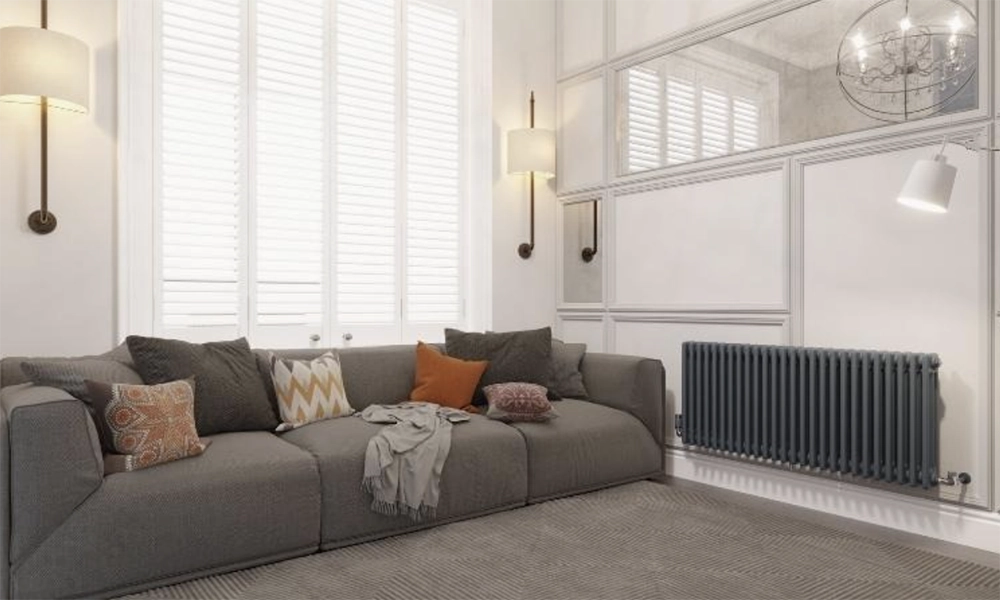
Image from UK Radiators
Prioritising Comfort as the Foundation of Relaxation
Before considering colour palettes or decorative details, physical comfort must come first. Our room temperature directly affects how relaxed we feel at home. Rooms that are too cold can make the body tense, while overheated spaces often feel stifling and disruptive, particularly in the evening when the body is preparing to rest.
Maintaining a consistent indoor temperature supports both relaxation and overall well-being. When the body no longer needs to work to maintain warmth, it can shift more easily into a state of rest. This is especially important in living rooms and bedrooms, where comfort plays a key role in how long we unwind or sleep.
Heating elements can also influence how calm a space feels visually. Bulky or outdated fixtures can interrupt the flow of a room, while thoughtful choices contribute to a sense of balance. Many homeowners now want discreet, functional solutions such as column radiators, which provide reliable warmth while blending seamlessly into considered interior designs. When heating supports comfort without dominating the room, it becomes part of the overall wellbeing strategy rather than an afterthought.
Creating a Calm Visual Environment
Visual overstimulation can quietly increase stress levels, even when we’re not consciously aware of it. A relaxing living space benefits from a calm visual rhythm that allows the eyes to rest. This doesn’t mean your home must feel sparse or impersonal, but it implies being selective.
Neutral tones, soft contrasts, and natural materials help create an environment that feels grounded. Shades inspired by nature, warm whites, muted greens, gentle greys, and earthy browns, tend to feel soothing and timeless. These colours work particularly well in shared living spaces where you want to encourage conversation and rest in equal measure.
Reducing visual clutter also plays a significant role. Thoughtful storage solutions, closed shelving, and intentional displays prevent the space from feeling chaotic. When everything has a place, the mind can relax more easily.
Designing Layouts That Encourage Ease and Flow
The arrangement of furniture influences how your room feels and how you move through it. Cramped layouts or awkward pathways can create subtle tension, while open, intuitive arrangements support comfort.
Start by considering how you use the space. Living rooms designed for relaxation benefit from inward-facing seating rather than outward-facing, encouraging connection and calm rather than distraction. Leave enough space between furniture pieces to allow easy movement without feeling sparse.
Avoid blocking natural pathways with unnecessary items, and clear routes through your room to help the body feel at ease, even on a subconscious level. When movement feels effortless, the space naturally becomes more relaxing.
Using Lighting to Support Different States of Rest
Lighting has a powerful effect on mood and energy levels. Bright, harsh lighting can feel energising during the day but unsettling in the evening. A well-designed living space uses layered lighting to support different activities and times of day.
Natural light should take priority wherever possible. During daylight hours, allow light to flow freely through windows by using sheer curtains or adjustable blinds. Natural light helps regulate circadian rhythms and improves overall well-being.
As evening approaches, softer lighting becomes essential. Table lamps, wall lights, and floor lamps with warm bulbs create a gentle glow that signals the body to unwind. Dimmable options let you adjust brightness as needed, supporting both relaxation and comfort without relying on a single overhead light.
Choosing Textures That Invite Comfort
Texture plays an important role in how welcoming a space feels. Soft, tactile materials encourage relaxation by appealing to the senses. Rugs, cushions, throws, and upholstered furniture can make a room feel warm and lived-in rather than stark.
Natural fabrics such as wool, cotton, and linen tend to feel more breathable and comforting than synthetic alternatives. Layering these different textures can add depth without visual clutter, helping your room feel cosy while maintaining a clean aesthetic.
Supporting Mental Wellbeing Through Thoughtful Details
Small design choices can have a surprisingly large impact on mental well-being. Introducing natural elements, such as plants or wood finishes, can help reduce stress and improve mood. Even a single houseplant can soften a room and improve air quality.
Scent also influences how relaxed we feel at home. Candles, essential oil diffusers, or fresh flowers can add subtle fragrance that enhances the atmosphere without overwhelming the senses.
Personal touches matter too. Artwork, books, or objects that evoke positive associations can provide emotional comfort. The key is moderation. A few meaningful items contribute to a sense of belonging without creating visual noise.
Designing for Comfort Throughout the Day
A living space that supports wellbeing adapts to your daily rhythm. Morning light, daytime functionality, and evening calm should all coexist within the same environment. This balance comes from thoughtful planning rather than trend-driven decisions.
Consider how temperature, lighting, and layout work together across the day. A room that feels welcoming in the morning and calming at night supports both productivity and rest. When comfort remains consistent, the home becomes a place where the body and mind can reset naturally.
Final Thoughts
Designing a living space that supports rest, relaxation, and comfort means looking beyond surface-level style. By prioritising comfort, calming visuals, intuitive layouts, and sensory-friendly details, you can create a home that actively supports wellbeing.
When each element works together, from consistent warmth to soft lighting and thoughtful textures, the home becomes a true recovery space. It’s a place where stress eases, comfort feels effortless, and relaxation becomes part of everyday life, and not something you have to work for.
- About the Author
- Latest Posts

Our Editorial Team are writers and experts in their field. Their views and opinions may not always be the views of Wellbeing Magazine. If you are under the direction of medical supervision please speak to your doctor or therapist before following the advice and recommendations in these articles.