A sudden fall or a rear end collision often seems like a minor event until the physical reality sets in. Many people focus on their neck or shoulders but ignore the sharp ache at the base of their spine. This specific type of trauma can quickly derail a normal lifestyle.
When the lower spine takes a direct hit, the simplest movements become daunting tasks. Clinical signs often include localized swelling, bruising, and a deep tenderness that makes it hard to find a comfortable position. Ignoring these symptoms can lead to significant long term complications.
Seeking medical advice early is essential because what feels like a simple bruise might actually be a broken tailbone. Professionals use imaging to confirm the severity of the fracture and determine the best course of action. Addressing the issue immediately ensures that the healing process begins correctly.
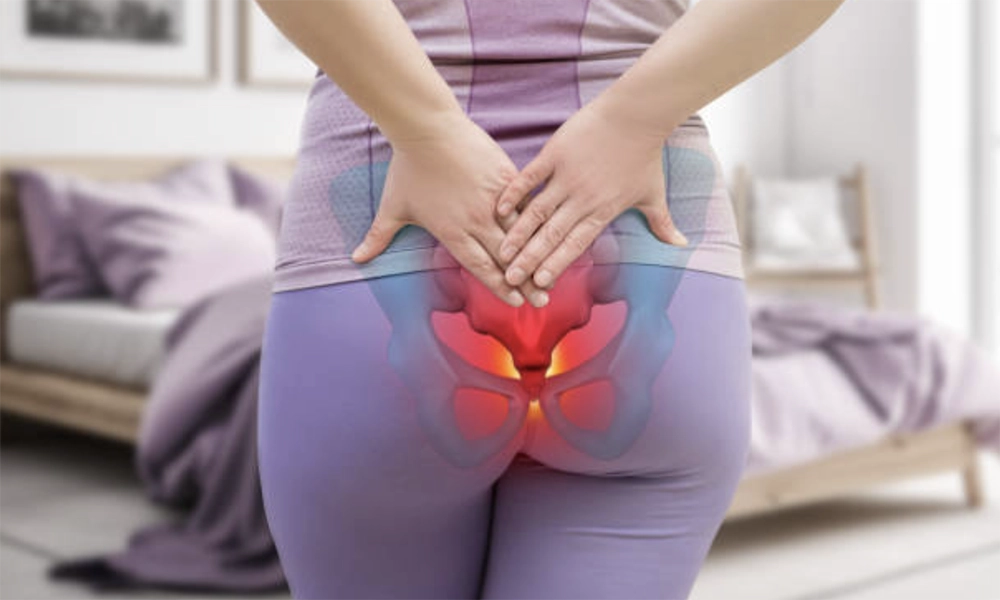
Hidden Pain After a Sudden Event
Adrenaline is a powerful natural defense that often masks the true extent of an injury immediately after an accident. In the chaos of a slip or a car crash, the body focuses on survival rather than pinpointing exact sources of discomfort. This can lead to a false sense of security for victims.
It is common for someone to walk away from a collision feeling relatively fine, only to wake up the next morning in agony. The delayed onset of inflammation around the coccyx means that the sharpest pains often arrive hours or days later. By then, the initial shock has worn off.
This delay is why many people fail to report their symptoms to a doctor right away. They might assume the soreness will simply fade with a bit of rest and some over the counter medication. Unfortunately, this oversight can allow a fracture to worsen without the proper support or medical intervention.
Struggles With Everyday Movement
Living with a spinal injury at the base of the back transforms mundane activities into painful endurance tests. Sitting down for a meal or a movie becomes nearly impossible without specialized cushions or constant shifting. The pressure on the coccyx is relentless and often feels like a burning sensation.
Standing up after a period of rest can be just as agonizing as the act of sitting itself. The muscles surrounding the lower spine must contract and pull on the injured bone to provide stability for the torso. This transition creates a sharp, stabbing pain that can take a person’s breath away.
Driving is perhaps the most difficult challenge because it requires staying in a fixed position for long stretches. The vibrations from the road travel through the car seat and directly into the fracture site. Every bump or turn adds a new layer of discomfort that makes commuting a miserable experience.
Patience Required for Proper Healing
Recovering from this type of bone damage is a slow and often frustrating journey for active individuals. Unlike a broken arm that can be placed in a rigid cast, the tailbone is in a location that is difficult to stabilize. Healing relies heavily on time and the avoidance of further irritation.
Conservative treatments usually involve using donut shaped pillows and taking specific anti inflammatory medications to manage the swelling. Doctors may also recommend physical therapy to strengthen the surrounding muscles without putting direct pressure on the bone. Consistency is the key to making progress during these long months of rest.
The coccyx is a delicate structure that requires a great deal of blood flow and stillness to knit back together properly. Even minor movements can set the timeline back if the patient is not careful. Following medical advice strictly is the only way to ensure the bone heals in the correct alignment.
Consequences of Ignoring the Trauma
When a spinal fracture is left untreated, it can lead to a condition known as coccydynia, which is chronic and debilitating pain. The nerves in the area become hypersensitive and can send pain signals to the brain even after the bone has technically healed. This creates a permanent cycle of discomfort.
Permanent nerve damage can also affect other areas of the lower body, leading to numbness or tingling in the legs. The pelvic floor muscles often tighten up in response to the injury, causing secondary issues that require even more medical attention. It is a domino effect that impacts the entire system.
The mental toll of living with chronic pain should not be underestimated either. Constant physical suffering often leads to fatigue, irritability, and a decreased ability to enjoy hobbies or social gatherings. Addressing the trauma early prevents these long term lifestyle changes from becoming a permanent part of a person’s life.
Conclusion
Taking any form of lower back pain seriously is the first step toward reclaiming a healthy life after an accident. What starts as a minor ache can quickly evolve into a major medical hurdle if it is pushed aside. Early intervention protects both the body and the future.
From a legal perspective, having a documented medical history is vital for the success of any potential claim. Showing that a victim sought help immediately provides the evidence needed to prove the severity of the incident. It links the injury directly to the accident in a clear way.
Ultimately, the goal is to ensure that justice and health go hand in hand for every injured person. Financial compensation helps cover the costs of the long recovery and the specialized equipment needed for daily comfort. No one should have to suffer through a spinal injury without the proper resources.
- About the Author
- Latest Posts

Our Editorial Team are writers and experts in their field. Their views and opinions may not always be the views of Wellbeing Magazine. If you are under the direction of medical supervision please speak to your doctor or therapist before following the advice and recommendations in these articles.